
Portugal by Motorhome: The Algarve and Beyond
A portugal motorhome holiday has become one of the most popular long-haul trips for British motorhomers, and once you understand why, it is hard not to start planning one yourself. The climate is kinder than almost anywhere in Western Europe, the roads are quiet and well-maintained, the food is outstanding, and the cost of living is noticeably lower than the UK, France, or Spain. From our base at Heath's Motorhome Hire in Pontefract, Portugal is absolutely achievable - you just need to factor in the driving and allow yourself enough time to make the journey part of the adventure.
Getting There: Routes and Ferry Options
There are two main approaches. The most common is to take the ferry from Portsmouth or Plymouth to Santander or Bilbao in northern Spain, then drive south through Spain into Portugal. The Brittany Ferries crossing to Santander takes around 24 hours, but you sleep on the boat, arrive rested, and save yourself a full day of driving through France. From Santander, it is roughly 900 kilometres to Lisbon or 1,100 to the Algarve - manageable over two or three days with stops in the Spanish interior. Salamanca is a brilliant overnight break, with motorhome parking near the old university quarter and arguably the most beautiful main square in Spain.
The alternative is to drive through France and cross into Spain at the western end of the Pyrenees, heading through Burgos and Madrid before dropping south into Portugal. This route is longer but lets you stop in some fantastic French and Spanish towns along the way. Either way, you are looking at three to four days of driving each way, which is why a long-term hire of two weeks or more makes sense for Portugal - you want to spend the majority of your time exploring, not driving.
The Algarve: Sun, Cliffs, and the Motorhome Crackdown
The Algarve is where most British motorhomers head first, and the appeal is obvious. The coastline between Lagos and Faro is one of the most dramatic in Europe - towering ochre cliffs, hidden coves accessible only by boat or scramble, and beaches that would not look out of place in the Caribbean. The sea is cold by Mediterranean standards, but from June to September it is perfectly swimmable, and the clarity of the water is remarkable.
A word of honest warning, though: wild camping for Algarve motorhome travellers has been effectively banned. Portugal's GNR police have cracked down hard on motorhomes parking overnight in coastal car parks and beauty spots, with fines of up to 600 euros. This was a response to the sheer volume of campervans that were congregating in places like the cliffs west of Lagos, leaving waste and blocking access for locals. Whether you agree with the enforcement or not, the reality is that turning up and parking on the clifftops for a free night is no longer viable.
The good news is that Portugal has invested heavily in official Autocaravan areas - dedicated motorhome stopovers with fresh water, waste disposal, and often electrical hook-ups, at a fraction of the cost of a full campsite. The Aires Portugal app and the Park4Night community are essential for finding these. Some are municipal and cost as little as 5 euros per night. Others are privately run with more facilities. Along the Algarve, good options include the Autocaravan areas at Lagos, Tavira, Olhao, and Aljezur on the west coast. Most are a short walk or cycle from the town centre or beaches.
Beyond the Algarve: Lisbon, the Silver Coast, and Porto
While the Algarve gets the headlines, some of the best Portugal motorhome touring is further north. The Alentejo region, between the Algarve and Lisbon, is Portugal's forgotten interior - vast cork oak plains, whitewashed hilltop villages, and virtually no tourists outside of August. Evora, a UNESCO World Heritage city with a Roman temple and a rather macabre chapel of bones, is a highlight, and there is a good Autocaravan area on the edge of town.
Lisbon is worth a day or two, though driving a motorhome into the city centre is neither advisable nor enjoyable. The smart approach is to park at the Camping Municipal de Lisboa in Monsanto Forest Park, which is on a direct bus route into the city. From there, you can spend a day riding the famous tram 28 through Alfama, eating pasteis de nata at the original bakery in Belem, and exploring the Jeronimos Monastery. Return to the motorhome in the evening and cook dinner with a bottle of Portuguese wine that cost three euros from the supermarket.
The Silver Coast north of Lisbon is less developed and arguably more characterful than the Algarve. Nazare is famous for its giant winter waves - the biggest ever surfed - and even in summer the Atlantic swell makes for dramatic watching from the clifftop fort. Obidos is a perfectly preserved medieval walled town where you can walk the ramparts and sample ginjinha, the local cherry liqueur, from a chocolate cup. Peniche is the departure point for the Berlengas Islands nature reserve, where you can kayak through sea caves and snorkel in crystal-clear water.
Porto, in the north, is the perfect final stop. Park the motorhome at the Orbitur campsite in Madalena, cross the river, and spend a day wandering the ribeira waterfront, tasting port at the lodges in Vila Nova de Gaia, and browsing the azulejo-tiled churches that are scattered through the old city. The Livraria Lello, one of the most beautiful bookshops in the world, is worth the queue. The Francesinha - Porto's signature sandwich, drowned in beer and tomato sauce and topped with a fried egg - is worth the calories.
A Suggested 10-14 Day Portugal Motorhome Route
Here is a realistic itinerary for a portugal motorhome holiday that covers the highlights without feeling rushed:
Days 1-2: Ferry from Portsmouth or Plymouth to Santander. Overnight on the boat.
Day 3: Drive to Salamanca, Spain. Park near the old town, explore the Plaza Mayor.
Day 4: Cross into Portugal. Drive to Evora in the Alentejo. Visit the old town.
Days 5-6: Algarve coast. Base yourself at Lagos or Tavira. Beaches, cliff walks, seafood.
Day 7: Drive to Lisbon area. Camping Municipal de Lisboa. Evening walk in Monsanto park.
Day 8: Day in Lisbon. Tram 28, Belem, Alfama.
Days 9-10: Silver Coast. Nazare, Obidos, Peniche. Autocaravan areas along the route.
Days 11-12: Porto. Port tasting, ribeira, Francesinha.
Days 13-14: Drive north through Spain to Santander or Bilbao for the return ferry.
This works beautifully as a European motorhome holiday and gives you a genuine taste of the country without trying to cram in too much. Adjust the timing to suit your pace - some people would happily spend four days in the Algarve alone, while others prefer to keep moving.
Winter Sun: Portugal Year-Round
One of Portugal's great advantages is that it works as a winter sun destination. The Algarve enjoys average daytime temperatures of 16-18°C through December, January, and February - not sunbathing weather, but perfectly comfortable for walking, cycling, and eating outdoors. The tourist crowds disappear entirely, Autocaravan areas are quiet, and the light is beautiful. A two or three week winter escape in a motorhome is a fraction of the cost of a hotel holiday in the Canaries, and far more rewarding.
ETIAS: From 2026, UK travellers need an ETIAS travel authorisation (approximately seven euros, valid three years) to enter Portugal and other Schengen countries including Spain and France. Apply online before travel.
Fuel costs in Portugal are comparable to Spain and slightly cheaper than France. Diesel is typically around 1.50-1.70 euros per litre. Toll roads, particularly the A22 motorway across the Algarve, can be confusing - they use an electronic toll system with no booths. The simplest solution is to buy a prepaid toll card from the first service station after crossing the border. Alternatively, stick to the N125 national road, which runs parallel to the motorway and is free.
The food alone is worth the trip. Grilled sardines on the Algarve coast, piri-piri chicken at a roadside churrasqueira, cataplana seafood stew, and pasteis de nata from any decent bakery. Portuguese wine is absurdly underpriced - expect to pay 3-5 euros for a bottle that would cost fifteen in a UK supermarket. The Douro reds and Vinho Verde whites are particularly good.
Portugal rewards those who take their time. A motorhome gives you the freedom to follow the coast at your own pace, stop at the village that catches your eye, and linger over a long lunch in a harbour-side restaurant. It is a country that was made for this kind of travel. For more, see our Spain guide.
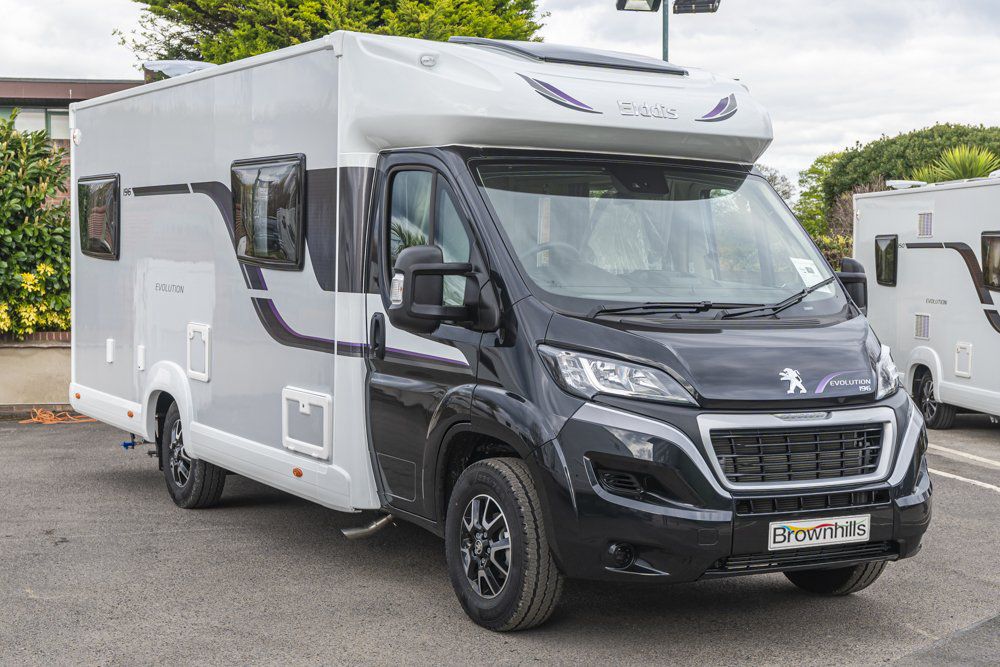
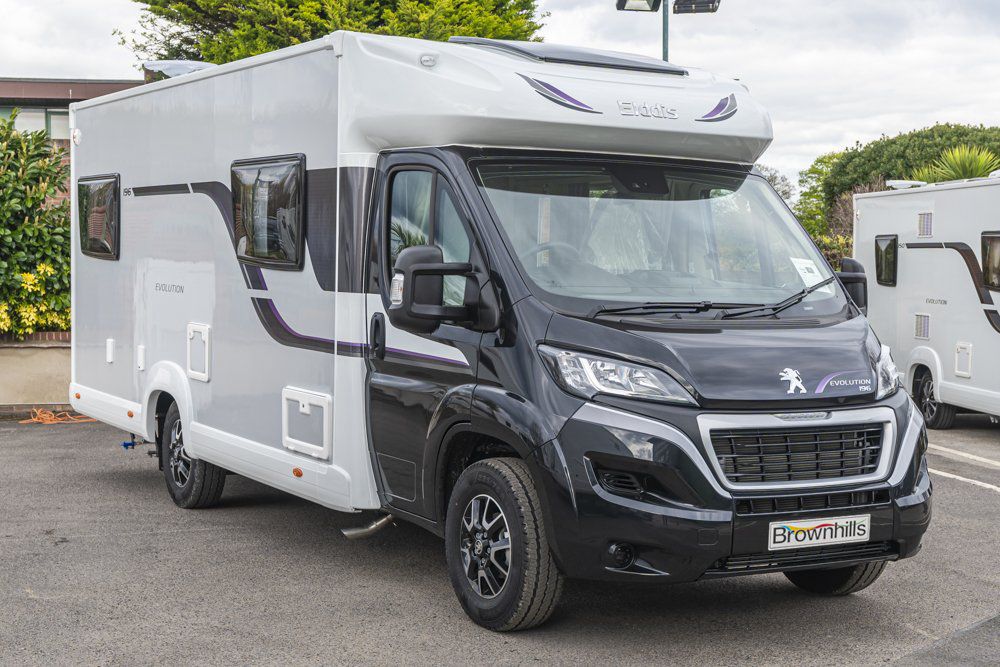
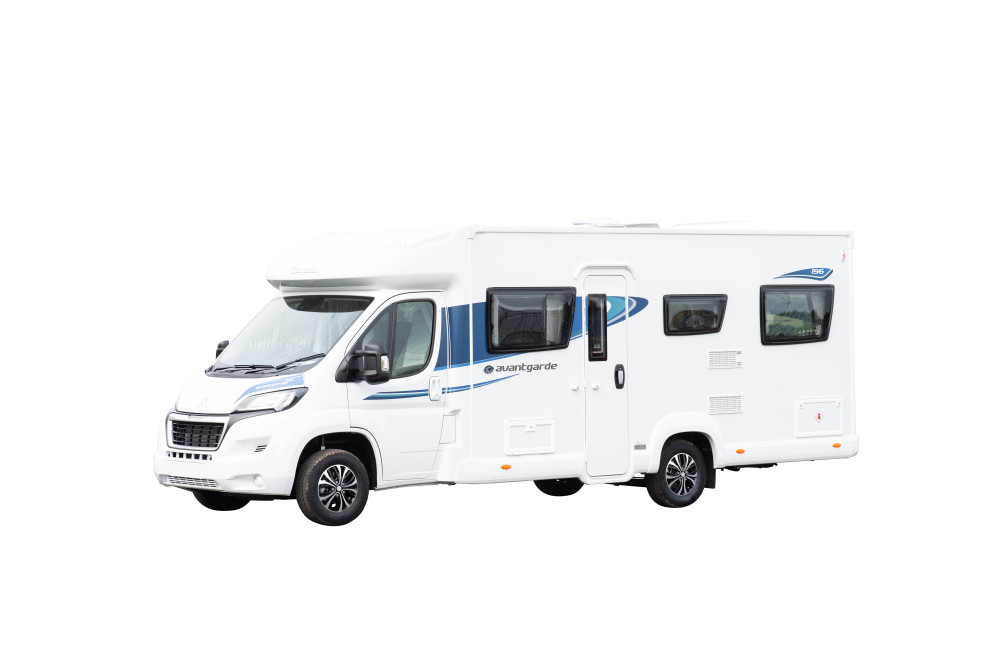
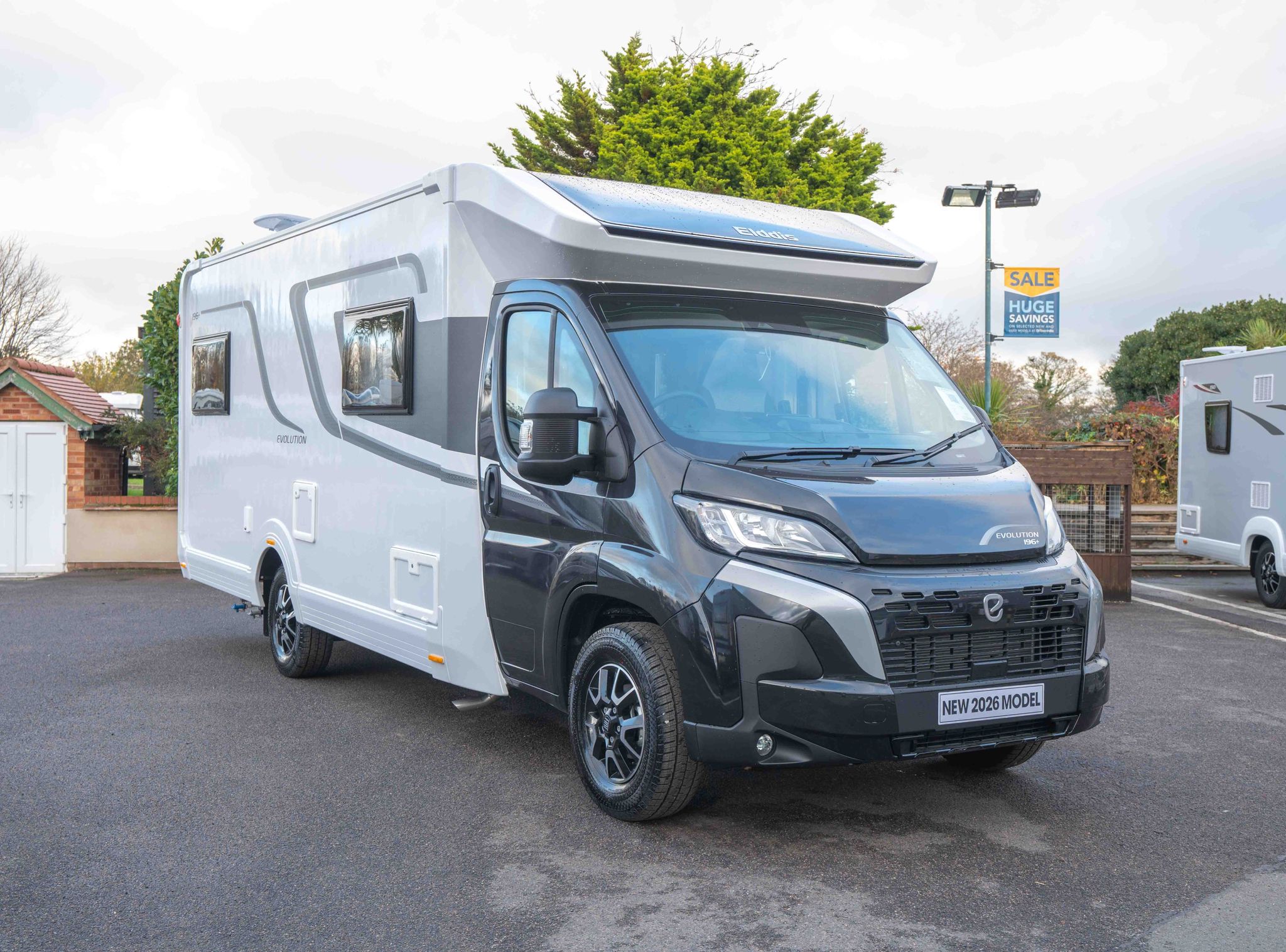
Browse Our Fleet
Continue Reading
The Best Motorhome Routes from Yorkshire: 5 Road Trips to Try
Five motorhome routes starting from Pontefract. The Yorkshire Dales circuit, the Coast from Filey to Staithes, the Lake District, a Peak District loop, and the North York Moors with distances and campsites.
The Yorkshire Coast by Motorhome: Scarborough to Whitby and Beyond
A day-by-day Yorkshire Coast motorhome itinerary from Filey to Staithes via Scarborough, Robin Hoods Bay and Whitby. Named campsites, fish and chip picks, and practical parking advice for every stop.
Motorhome-Friendly Campsites Near York
Seven motorhome-friendly campsites near York with specific bus routes, distances from the centre, and facilities. Plus a full city break itinerary: Minster, walls, Jorvik, Shambles, Railway Museum, and the best pubs and restaurants.
Enjoyed this article?
Discover our luxury motorhome fleet and start planning your next adventure.