
Cornwall by Motorhome
Cornwall by motorhome. Surfing beaches on the north coast, fishing villages on the south, subtropical gardens, world-class food, and some of the most dramatic coastline in Europe.
Cornwall by Motorhome
Cornwall is a long way from Yorkshire. About five hours if the M5 behaves, longer if it does not. But there is a reason people make the drive year after year, and once you have done it in a motorhome you will understand. The moment you cross the Tamar Bridge the landscape changes - hedgerows get higher, lanes get narrower, the light softens, and somewhere ahead the Atlantic is waiting. Allow at least a week. A fortnight is better. Our longer-term rates drop at two weeks, making a proper Cornwall trip more affordable than most people expect.
The North Coast
The dramatic side. Big cliffs, big waves, big skies. Padstow is where most people start - Rick Stein put it on the map and the seafood is still outstanding, though the town knows it and prices match. The Camel Trail from Padstow to Bodmin is flat, traffic-free, and one of the best family cycling routes in the country. Hire bikes in Padstow, ride to Wadebridge for lunch, ride back.
Newquay gets a mixed reputation but deserves better. Fistral Beach is genuinely world-class for surfing - even watching from the cliff is mesmerising. Watergate Bay north of Newquay is our pick for a beach day: wide, sandy, and less crowded. The Extreme Academy does surfing and paddleboarding lessons.
The coast path from Padstow south through Bedruthan Steps is spectacular - huge rock stacks on a vast beach below towering cliffs. The walk from Newquay to Perranporth takes in Holywell Bay and Crantock Beach. Between Padstow and Newquay allow about 30 minutes driving on the A roads, but the coast path walks between them take a full day and are worth every step.
Further up the coast, Bude is often overlooked - a quieter alternative to Newquay with excellent surfing, a sea pool, and the dramatic cliffs at Crackington Haven. Port Isaac (of Doc Martin fame) is tiny, steep, and photogenic. Tintagel has the castle ruins perched on the cliff with their Arthurian legend connection.
Hendra Holiday Park near Newquay is the big campsite - five-star, family-owned, over 700 pitches, indoor and outdoor pools, motorhome service point. Suits families brilliantly. Trevella Park near Crantock is smaller, calmer, with fishing lakes and easy beach access. Padstow Touring Park is a mile from the harbour. Beacon Cottage Farm near St Agnes is basic but in a spectacular clifftop position.
St Ives and the Far West
St Ives is the place everyone falls in love with. The light is different here - artists have been saying it since the 1880s and they are right. Tate St Ives sits above Porthmeor Beach and the gallery alone justifies the visit, but the town itself stays with you. Narrow lanes, galleries in cottages, harbour views from every angle.
From St Ives, the B3306 to Land's End is one of the finest coastal drives in the country - relatively quiet and manageable in a motorhome. Land's End itself is touristy at the visitor centre but wild and beautiful if you walk ten minutes along the coast path. Sennen Cove just north has one of the best swimming beaches in Cornwall - proper sand, proper waves, a fraction of the Newquay crowds.
The Minack Theatre above Porthcurno is carved into the cliff with the Atlantic as backdrop. Evening performances on a warm night are genuinely magical. Book ahead. Porthcurno Beach below is beautiful. Pedn Vounder, accessible down a steep path from the Minack car park, is often called the most beautiful beach in Cornwall.
St Michael's Mount near Marazion is accessible on foot at low tide and by boat at high tide - a tidal island with a medieval castle that looks like something from a fairy tale. Allow a couple of hours.
Campsites in Penwith fill fast in summer. Trevalgan Touring Park near St Ives is five-star in a stunning position near the South West Coast Path. Treen Farm near the Minack is small and basic but the location is unbeatable.
The South Coast
Quieter and in some ways more charming than the north. Mevagissey is a proper working fishing village - not prettified for tourists but genuinely beautiful with its double harbour. Fowey (pronounced "Foy") has a Daphne du Maurier connection and a sheltered estuary that feels Mediterranean on a sunny day. Polperro is tiny, steep, and impossibly picturesque. Looe has two halves connected by a bridge, a working fishing fleet, and fish and chips on the harbour wall.
The Eden Project - two enormous biomes in an old clay pit housing rainforest and Mediterranean ecosystems - is impressive with or without children. Open year-round. The Lost Gardens of Heligan nearby are a remarkable restoration - a Victorian garden lost under brambles for decades, rediscovered in the 1990s.
The Lizard Peninsula is the most southerly point on the British mainland. Kynance Cove has turquoise water, serpentine rock stacks, and a setting that makes people stop and stare. Get there early in summer. Mullion Cove has a tiny harbour and a hotel bar overlooking the sea. Cadgwith is a fishing village with thatched cottages, a singing pub on Friday nights, and crab sandwiches from the beach hut.
Pentewan Sands near Mevagissey has over 400 beachfront pitches and two indoor pools. Seaview International at Gorran Haven has won AA Campsite of the Year four times. Silver Sands on the Lizard has been operating for nearly 80 years and has regional winner status.
The Food
You cannot visit Cornwall and not eat a pasty from a proper bakery. Ann's Pasties on the Lizard, Philps in Hayle, Warren's pretty much anywhere. Cream teas are the other essential - jam first then cream, the Cornish way. Devon does it differently and they are wrong.
Beyond the classics, the food scene has grown up. Seafood shacks along the coast path where you eat fish landed that morning. Farm shops with produce you cannot find in a supermarket. The fish market at Newlyn where you buy direct from the boats. Porthleven has become a food destination in its own right. And one of the best things about having a motorhome kitchen is buying fresh fish from a harbour and cooking it that evening. No restaurant markup, no booking, just good fish cooked simply.
Driving in Cornwall
The A30 is the spine and handles any motorhome. The A39 along the north coast (the Atlantic Highway) is fine for all sizes. Once you leave the A-roads, the lanes narrow. High hedgerows, blind bends, passing places, occasional tractors.
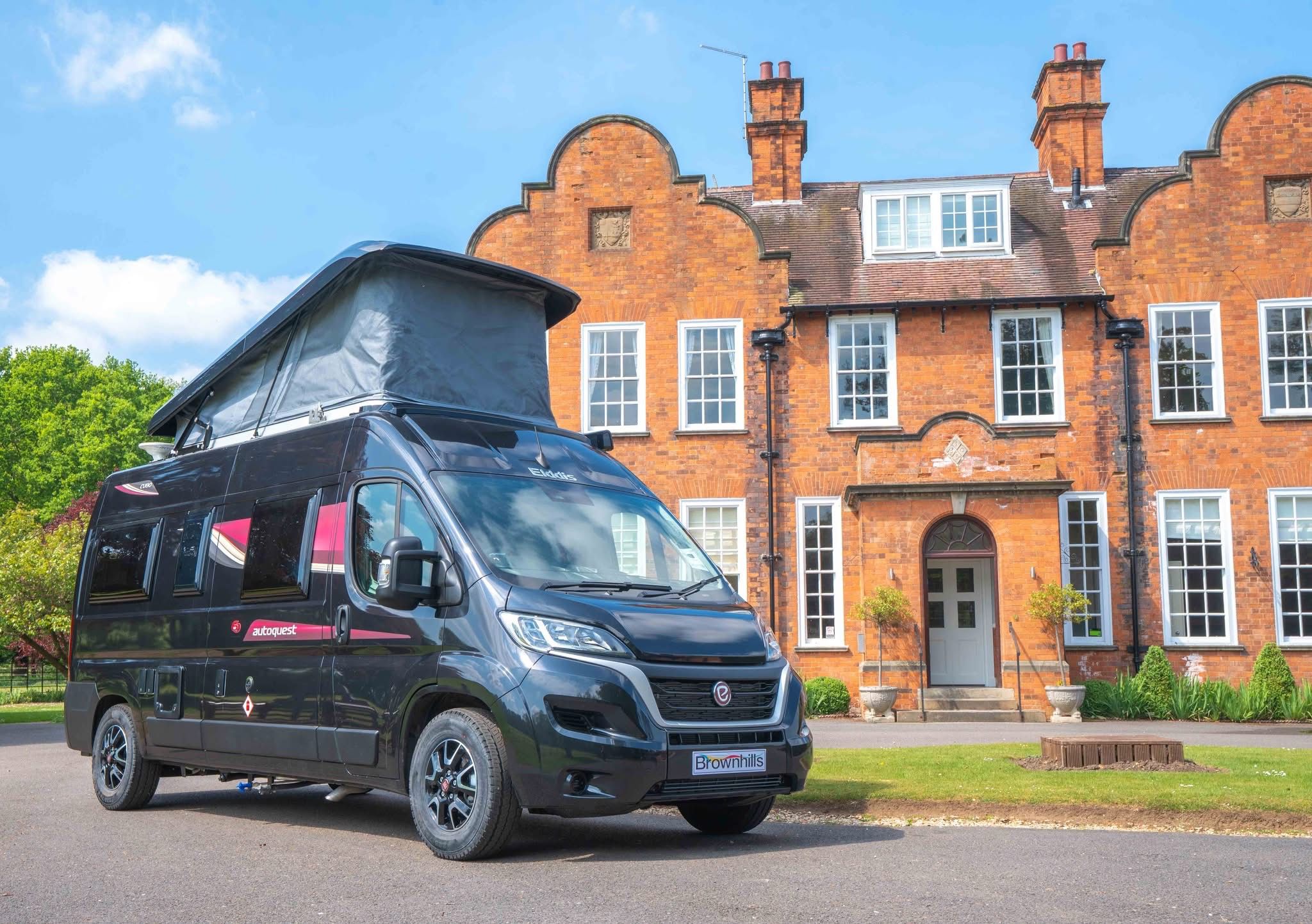
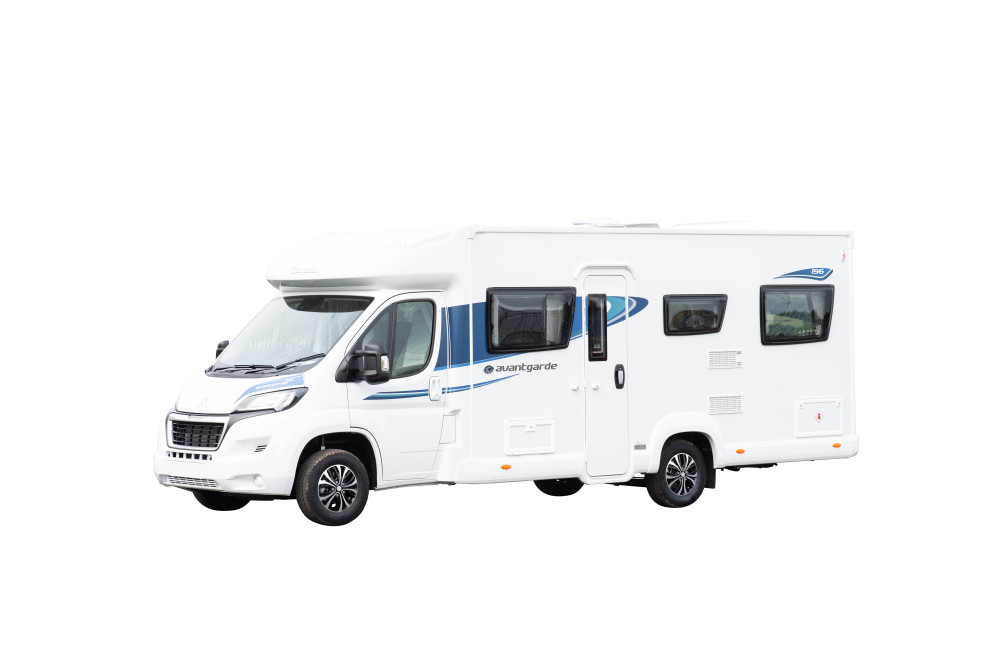
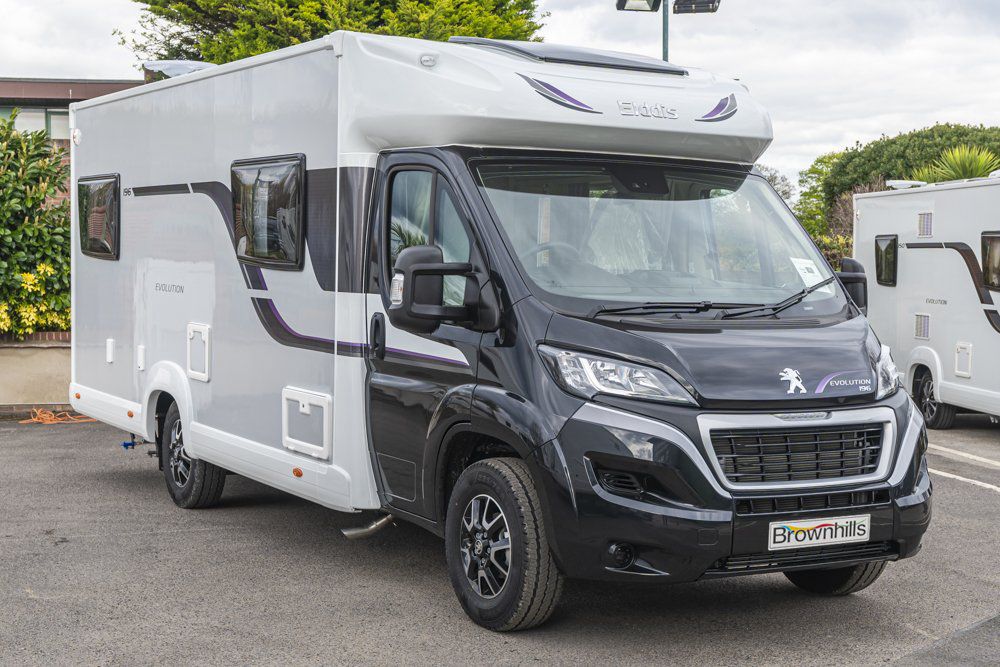
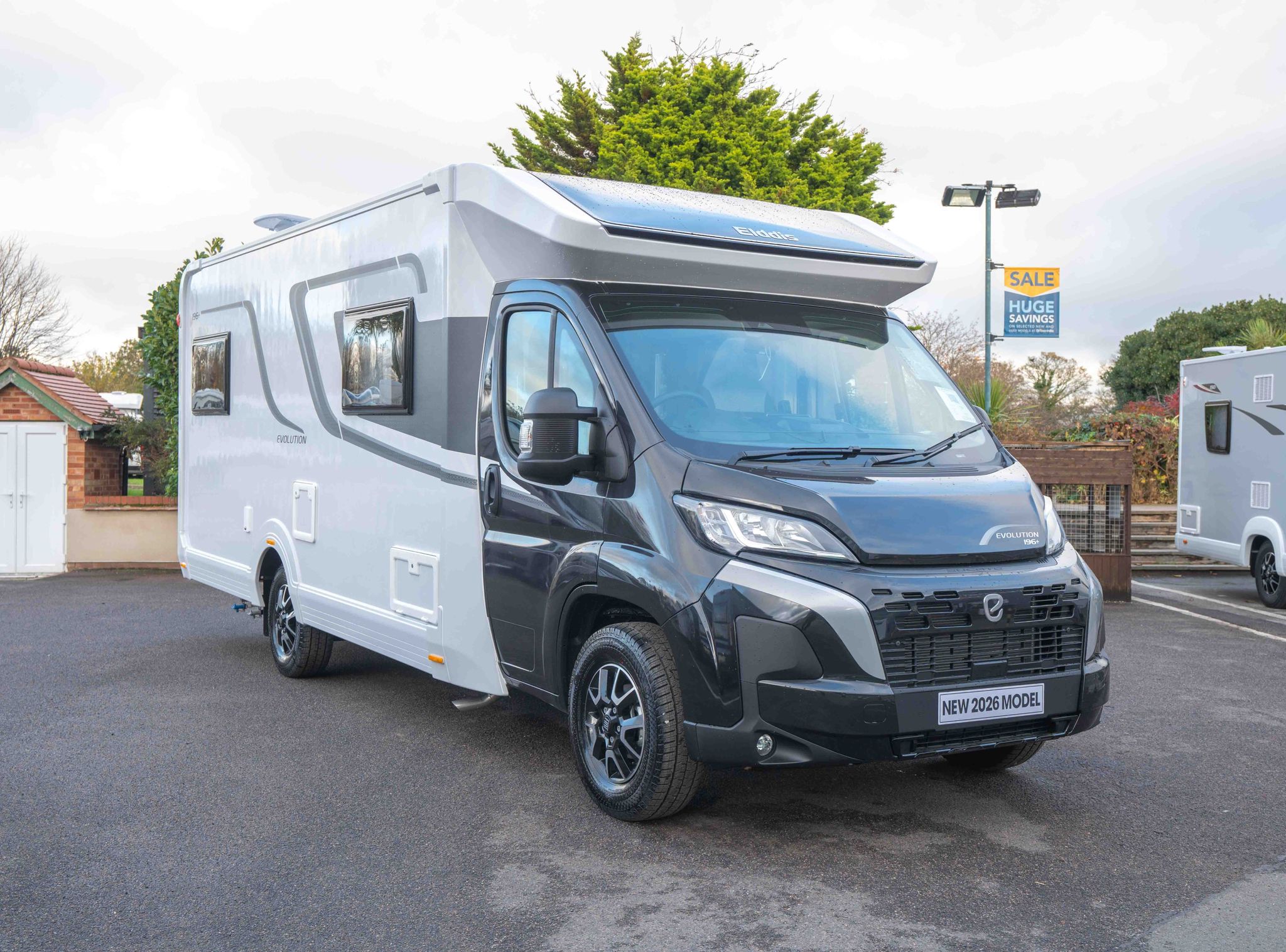
Our 2 berth handles everything Cornwall throws at it - every lane, every beach car park, every farm campsite. The 4 berth manages most routes comfortably but will need care on the narrowest lanes. The 6 berth is fine on A-roads and larger campsites but should avoid the narrowest lanes to hidden beaches and tiny villages. Choose your vehicle based on how adventurous you want the driving to be.
Driving times within Cornwall that people underestimate: Padstow to St Ives is 45 minutes. Newquay to the Lizard is over an hour. Bude to Land's End is nearly two hours. Cornwall is bigger than it looks on the map, and the roads are slower than you expect. Plan one relocation per day maximum.
Overnight parking in council-owned car parks is banned across Cornwall. You must use designated campsites, certified locations, or Brit Stops. Do not risk it - you will get a ticket.
Fuel is widely available. Supermarket stations in Truro, Newquay, and Penzance are the cheapest. Fill up before heading onto the Lizard Peninsula or the far west where stations are scarcer.
When to Go
June and September are the sweet spot - good weather, manageable traffic, campsites available without booking months ahead. July and August have the best beach weather but the A30 queues and booked-out campsites to match. May is mild and quiet. October is surprisingly warm and the colours along the coast path are golden. Cornwall is one of the mildest parts of Britain even in winter - the subtropical gardens at Heligan and the Eden Project are open year-round.
Arrive on a Saturday if possible in summer. The Friday and Sunday changeover traffic on the A30 is significantly worse.
Getting There and Combining
Five hours from our depot via the M1, M5, and A30. Break the journey in Devon - Dartmoor is worth a night on the way down. On the return, the Cotswolds or Dorset make natural stops. A three-week circuit covering Cornwall, Devon, Dorset, and the Cotswolds is one of the great British motorhome tours.
Dogs are welcome on many Cornish beaches year-round or outside the main summer season (May-September restrictions on the busiest beaches - check individually). The coast path is dog-friendly throughout.
Browse our fleet and check our packing checklist. Bring waterproofs - Cornish weather turns in minutes. And bring your own bedding. We do not provide duvets or towels.
Cornwall in Pictures
Perfect for Your Adventure
Choose from our carefully selected collection of modern motorhomes and campervans
Common Questions About Cornwall
Plan Your Cornwall Motorhome Holiday
Browse our premium fleet of motorhomes and start planning your perfect adventure.