
Cotswolds by Motorhome
The Cotswolds by motorhome. Honey-stone villages, vineyard tours, gastropubs, antique shops, and a pace of life that slows you down whether you want it to or not.
The Cotswolds by Motorhome
The Cotswolds is the England that people who have never been to England imagine. Honey-coloured stone villages that look like they were built for a film set, rolling green hills divided by dry stone walls, ancient churches in meadows, and pubs that serve food good enough to drive from London for. It is the largest Area of Outstanding Natural Beauty in England, stretching across six counties, and every village seems to be competing for the title of prettiest. About three hours from our depot, making it a comfortable weekend or an excellent week combined with Dorset or Devon on a longer tour south.
The Villages
There are dozens worth visiting but some stand out. Bourton-on-the-Water is the most famous - the River Windrush flows through the centre crossed by low stone bridges, earning it the nickname Venice of the Cotswolds. It gets busy (very busy in summer), but the Model Village, a one-ninth scale replica built from Cotswold stone, has been charming people since 1937 and Birdland Park is a genuine treat for young children.
The Slaughters - Upper and Lower - are picture-postcard perfect. The walk between them along the River Eye takes twenty minutes and is one of the loveliest short strolls you will find anywhere. Lower Slaughter's Old Mill with its waterwheel reflected in the river has been photographed millions of times and somehow it never gets old.
Bibury was described by William Morris as the most beautiful village in England. Arlington Row - a terrace of medieval weavers' cottages - appears inside British passports. Whether it lives up to the hype depends on how many tour buses are there when you arrive. Early morning or late afternoon is the trick.
Castle Combe in the southern Cotswolds is frequently called the prettiest village in England (there is a theme here). Medieval stone cottages around a market cross in a wooded valley. It was used as a film location and you can see why. Broadway in the north has a wide main street of golden stone shops and galleries with views across the Vale of Evesham. Chipping Campden has arguably the finest high street in the Cotswolds - Jacobean Market Hall, wool merchants' houses, and the starting point of the Cotswold Way.
Market Towns
Stow-on-the-Wold sits on the highest point of the Cotswold ridge. The large market square has hosted sheep fairs since the twelfth century and is now ringed with antique shops, pubs, and tea rooms. Moreton-in-Marsh has one of the best weekly markets in the region every Tuesday. Cirencester is the capital of the Cotswolds - the Corinium Museum of Romano-British life is excellent and the town has a good range of shops and restaurants. Tetbury is the antiques centre with a Gothic market hall raised on stone pillars. Burford has a steep high street dropping to the River Windrush, lined with medieval buildings and independently owned shops.
Food, Drink, and Vineyards
This is where the Cotswolds really shines for a motorhome trip. Daylesford near Kingham is the country's most celebrated organic farm shop - beautifully displayed produce, a cookery school, and a restaurant. Expensive but worth visiting even if you just browse. The pub culture across the Cotswolds is exceptional - gastropubs serving food that rivals London restaurants at a fraction of the price, with the advantage of a roaring fire and a dog asleep under the table. The Kingham Plough, the Ebrington Arms, the Wild Rabbit - these are destination pubs.
Cotswolds vineyards are a growing scene. English sparkling wine has won international awards and the limestone soil here suits it well. Several vineyards offer tours and tastings. Worth building into a day even if you are not a wine enthusiast - the settings are beautiful and the wine is genuinely good.
Local ales from Hook Norton Brewery (one of the last tower breweries in the country, still using a steam engine) and Donnington Brewery (possibly the most picturesque brewery in England, beside a lake in a Cotswold valley). Both offer tours.
Beyond the Villages
The Cotswold Way runs 102 miles from Chipping Campden to Bath along the escarpment edge. You do not have to walk all of it - pick sections and use the motorhome as a base. The stretch above Broadway with views across the Severn Vale is outstanding. Broadway Tower, a folly on the second-highest point in the Cotswolds, gives views across thirteen counties on a clear day.
Blenheim Palace near Woodstock is on the eastern edge - a UNESCO World Heritage Site, birthplace of Winston Churchill, and the grounds are magnificent. WWT Slimbridge on the western edge is the world's largest wetland centre. Sudeley Castle near Winchcombe has connections to six English monarchs and gardens designed by Rosemary Verey. Cheltenham has the racecourse, Regency architecture, and a food and drink festival in June.
Campsites
Moreton-in-Marsh Club Site has 184 pitches mostly on hardstanding with 16-amp hook-ups and is walking distance from the Tuesday market. Burford Club Site sits opposite the Cotswold Wildlife Park in a woodland setting. Tudor Caravan Park near Slimbridge has an award-winning pub on site and is five minutes from the wetland centre. Fosseway Farm near Stow-on-the-Wold is a small, family-run site in the heart of the Cotswolds.
Roads
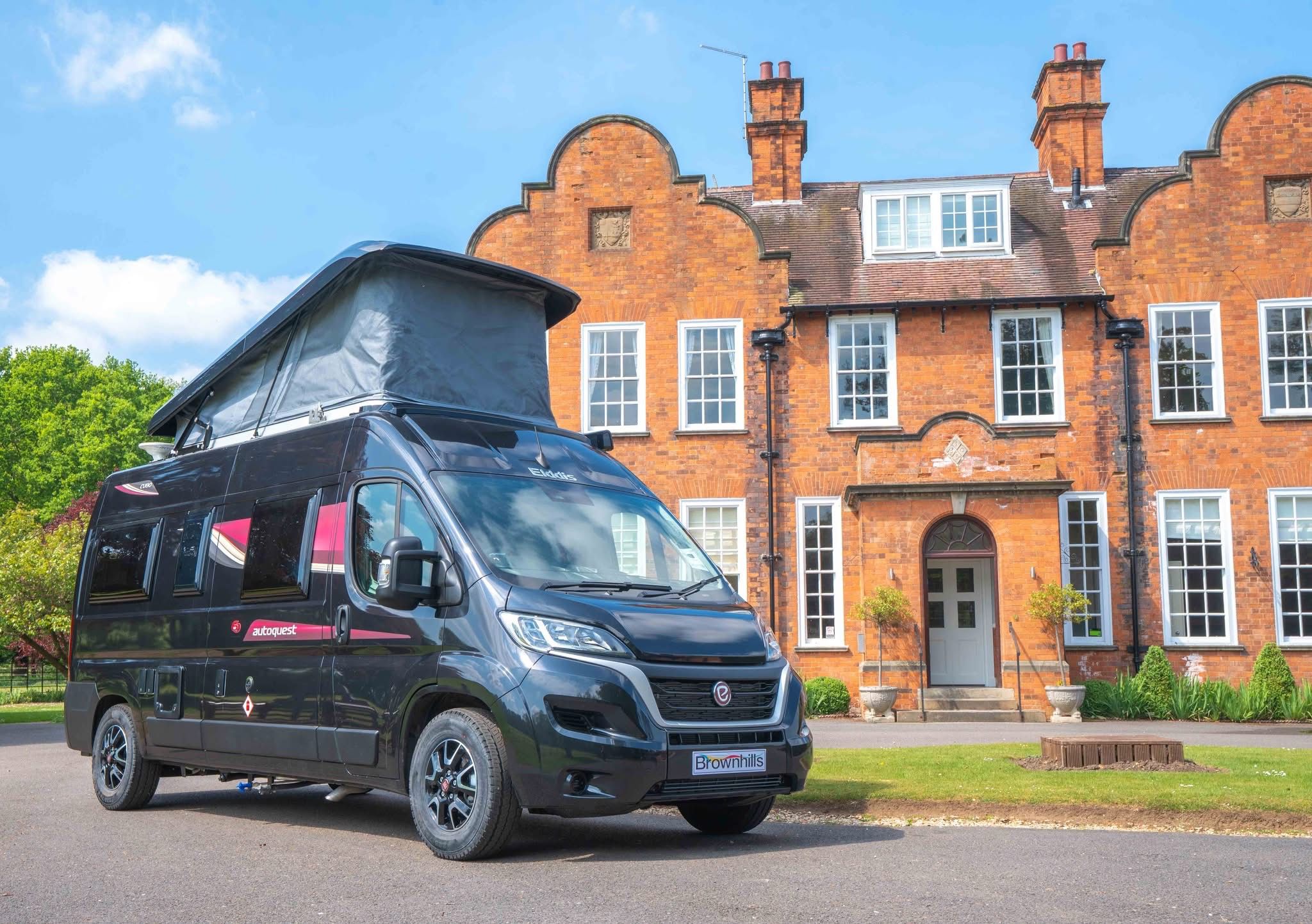
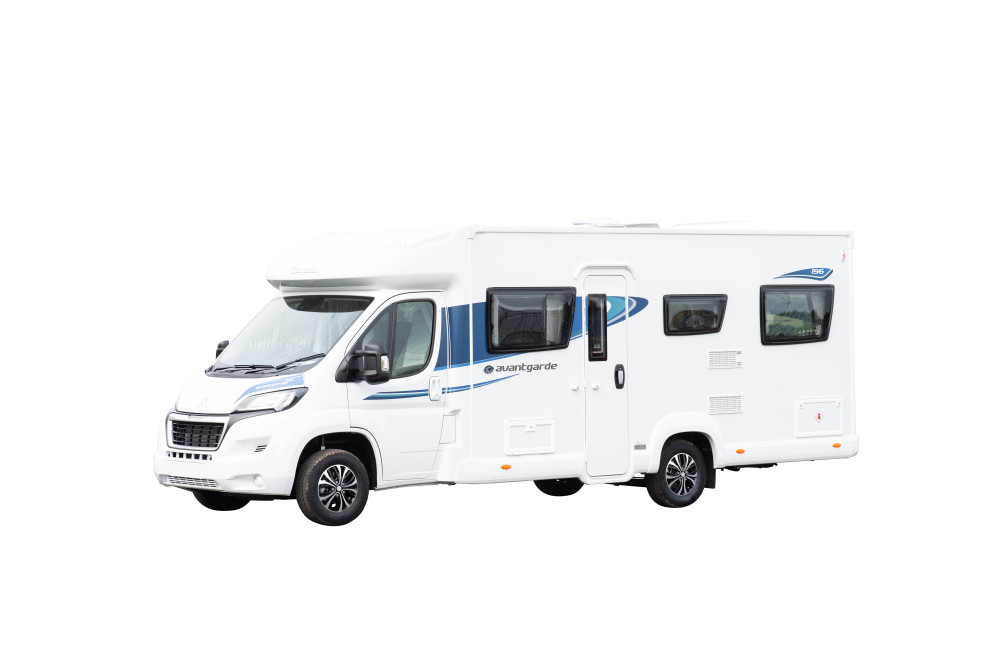
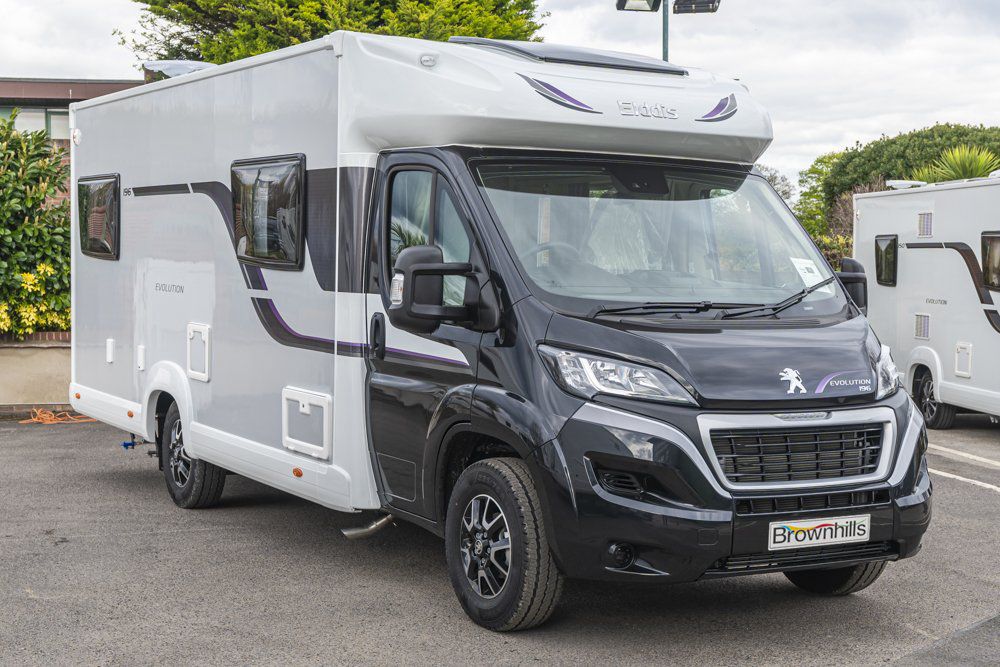
The Cotswolds are easier to drive than most motorhome destinations. The A44, A429 (Fosse Way), and A40 are the main routes and handle any motorhome comfortably. The lanes between villages are narrow in places with dry stone walls close to the road, but generally wider and better surfaced than Devon or Cornwall. The 4 berth handles everything in the Cotswolds. The 6 berth manages the main routes and most village approaches. The 2 berth gives you access to the narrowest lanes and smallest farm campsites.
Parking in the most popular villages (Bourton, Bibury, the Slaughters) is limited and can be expensive in summer. Arrive early or use your campsite as a base and cycle between villages - the terrain is gently rolling and the distances are short.
When to Visit
The Cotswolds are good year-round. Spring for wildflowers, lambing, and bluebell woods. Summer for the longest days and the busiest villages - avoid Bourton on a sunny Saturday in August unless you enjoy crowds. Autumn for golden colours that match the golden stone. Winter for log fires in pubs, frost on the fields, and the Christmas markets in Cirencester and Bath. The quieter months are often the most atmospheric.
The Cotswolds sit between the Peak District to the north and Dorset to the south, making them a natural stop on a longer tour. A weekend covers the central villages. A week lets you explore north, south, and the food scene properly. Couples particularly love the Cotswolds - vineyard tours, country pubs, and villages that were designed for slow wandering. Browse our fleet and check our packing checklist. Bring your own bedding - we do not provide duvets or towels.
Cotswolds in Pictures
Perfect for Your Adventure
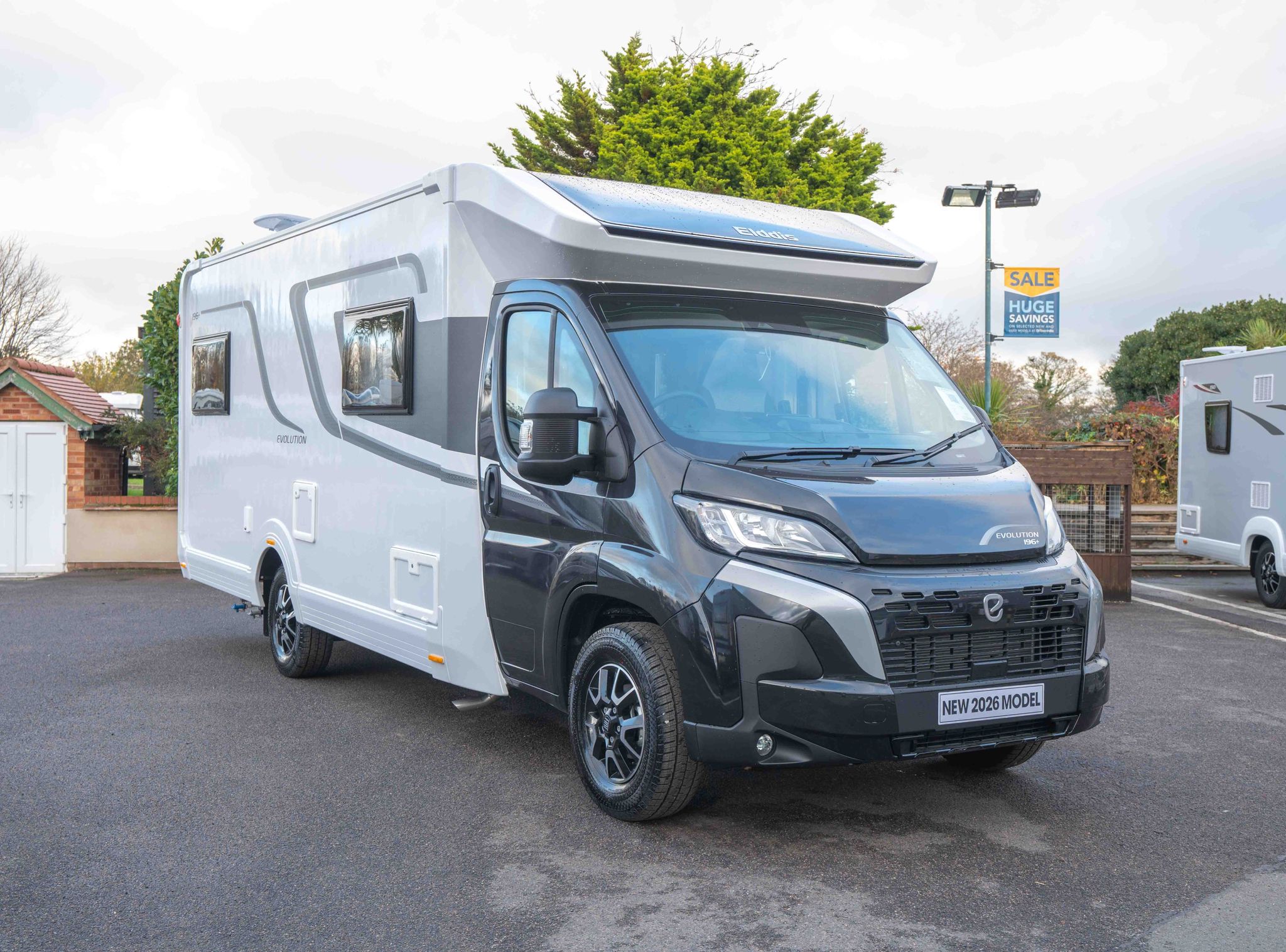
Choose from our carefully selected collection of modern motorhomes and campervans
Common Questions About Cotswolds
Related Pages
Plan Your Cotswolds Motorhome Break
Browse our premium fleet of motorhomes and start planning your perfect adventure.