North York Moors by Motorhome
The North York Moors by motorhome. Open heather moorland, dramatic coastal cliffs, steam railways, and market towns. Quieter than the Lakes, wilder than the Dales, and under 90 minutes from our depot.
North York Moors by Motorhome
The North York Moors is the national park that most people overlook, and that is exactly what makes it so good. Less crowded than the Lake District, less well-known than the Yorkshire Dales, but with a landscape of sweeping heather moorland, a coastline of towering cliffs and fishing villages, and a sense of space and solitude that the busier parks cannot match. A motorhome lets you move between the moors and the coast, spending a night on a moorland campsite and the next overlooking the sea. The southern edge of the park is about 90 minutes from our depot.
Helmsley and the Western Moors
Helmsley is the natural gateway - a handsome market town with castle ruins, a walled garden, and a Friday market. Rievaulx Abbey, three miles west in a secluded valley, is one of the most beautiful monastic ruins in England. The soaring columns framed by wooded hillsides make the setting as memorable as the architecture. The Cleveland Way national trail passes through Helmsley on its 109-mile circuit of the moors and coast.
Campsite: Golden Square near Helmsley is well-equipped with hardstanding pitches and good facilities. A ten-minute drive into town for pubs and the market.
Walk: Rievaulx Abbey via the Rievaulx Terrace (3 miles from Helmsley, mostly flat, stunning views down to the abbey from above).
The Central Moors
The heart of the national park is open heather moorland - the largest continuous area of heather in England. In August and September it turns vivid purple stretching to the horizon. Hutton-le-Hole is a chocolate-box village with a sheep-grazed green and the Ryedale Folk Museum. The road from Hutton-le-Hole up onto Blakey Ridge, past the Lion Inn (one of the most isolated pubs in England), is a drive you will not forget.
The Hole of Horcum, a vast natural amphitheatre carved into the moorland near the A169, makes a wonderful circular walk. Farndale is famous for its wild daffodils in spring - a protected display that carpets the valley floor along the River Dove.
Campsite: Spiers House in Cropton Forest offers woodland pitches deep inside the national park. Quiet, atmospheric, and away from everything.
The Heritage Coast
The North York Moors coast is as dramatic as anything in Britain. Robin Hood's Bay - red-roofed cottages tumbling down a cliff to the rocky shore - is the eastern end of Wainwright's Coast to Coast Walk. The rock pools at low tide are spectacular. Staithes clings to the cliff above a tiny harbour where Captain Cook worked as a grocer's boy. Whitby, presided over by its ruined abbey, is a working fishing port with the finest fish and chips in Yorkshire, a Dracula connection, and a character entirely its own.
Campsite: Hooks House Farm above Robin Hood's Bay has sweeping coastal views and direct access to the Cleveland Way. Basic but brilliantly located. Note: you cannot take a motorhome down into Robin Hood's Bay village - park at the top and walk.
Walk: The Cleveland Way from Robin Hood's Bay to Whitby (6 miles, clifftop, dramatic). Bus back or walk both ways if you are feeling strong.
The Steam Railway
The North Yorkshire Moors Railway runs 18 miles from Pickering through moorland and forest to Whitby. Steam and diesel services operate throughout the year, with special events for Christmas, Halloween, and wartime re-enactments. Goathland station on the line is familiar as Hogsmeade in the first Harry Potter film. Park the motorhome in Pickering, take the train to Whitby, spend a few hours exploring, and ride back. The journey through Newtondale is one of the great railway experiences in Britain.
Seasonal Guide
Spring (April-May): Wild daffodils in Farndale. Lambing. The moors waking up after winter. Quiet campsites.
Summer (June-August): Longest days for coastal walks. Heather starts blooming in late July. Busiest period for the coast but the moors themselves remain quiet.
Autumn (August-October): Peak heather season (August-September). Golden bracken. Harvest festivals. Arguably the best time to visit.
Winter (November-March): Dramatic and empty. Snow on the moor tops. Some campsites close but Caravan and Motorhome Club sites stay open. The steam railway runs winter specials.
Roads and Driving
Most moorland roads suit a motorhome well. The A170 along the southern edge, the A171 along the coast, and the minor roads crossing the moor tops are all manageable. The steep descent from the moors into Whitby via the A169 needs care - use low gears. The road through Rosedale (Chimney Bank) has a 1-in-3 gradient and should be avoided in a larger motorhome. The roads are generally quieter than the Lake District, which makes the driving more relaxing.
The North York Moors connect to other destinations naturally. The Yorkshire Dales are west via the A170 and A1. Northumberland is north along the coast. The Yorkshire Coast stretches south through Scarborough and Filey. A weekend covers the coast or the moors. A full week covers both. Two weeks lets you add the Dales or Northumberland.
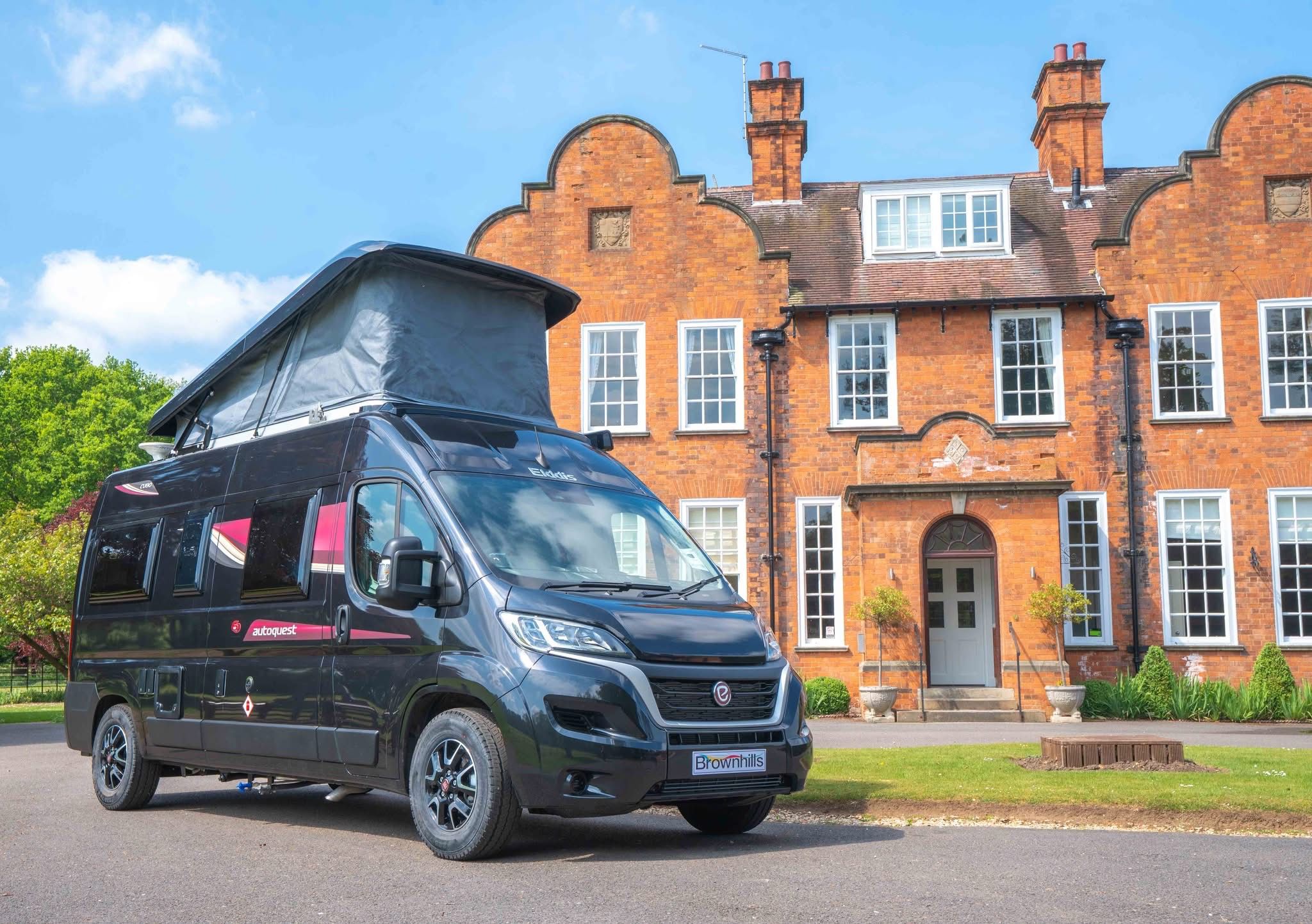
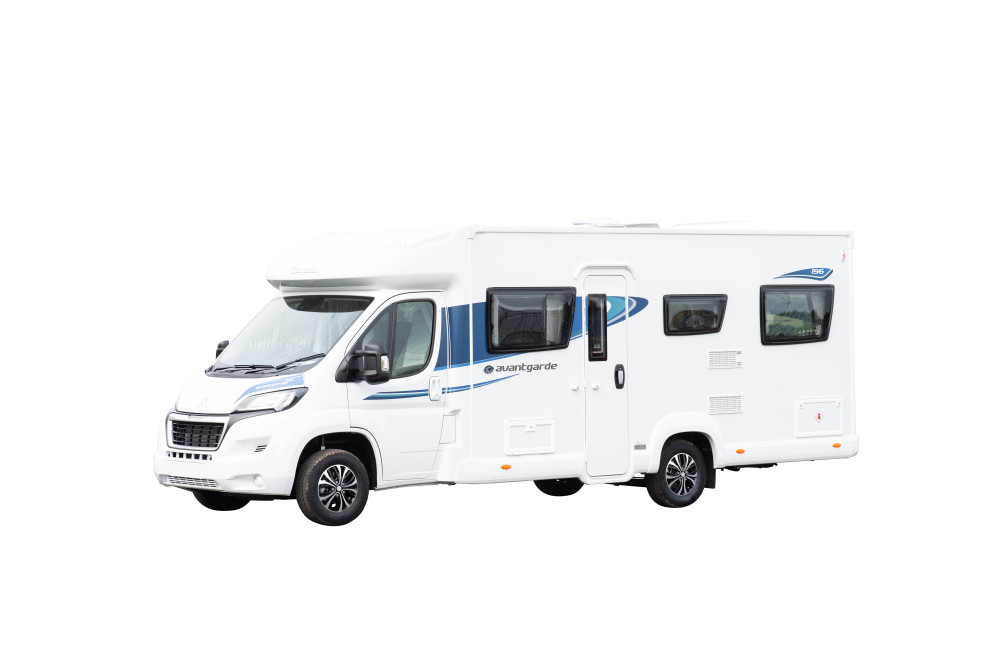
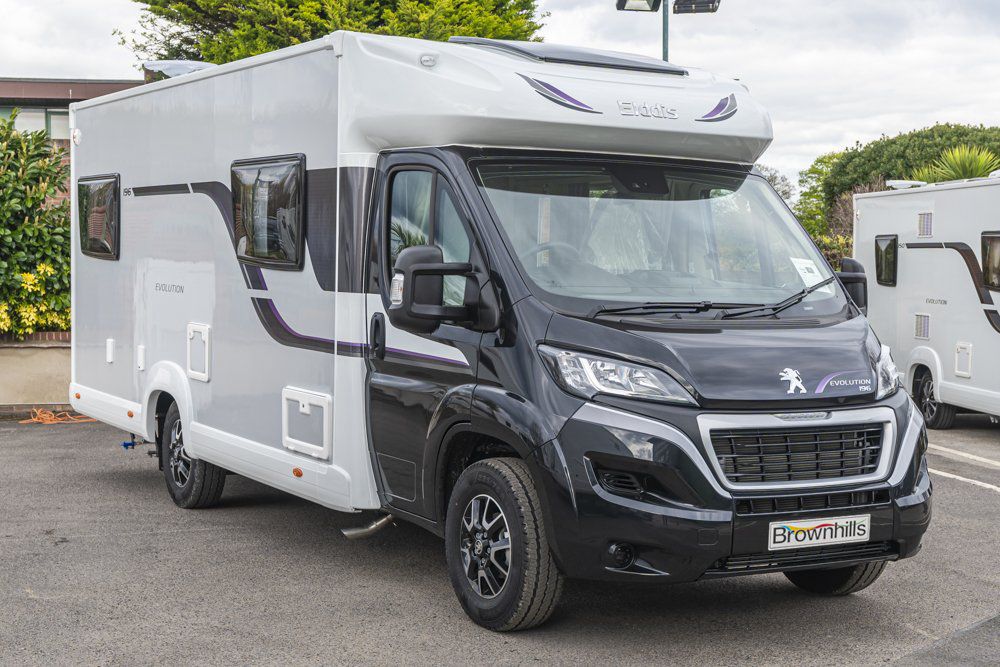
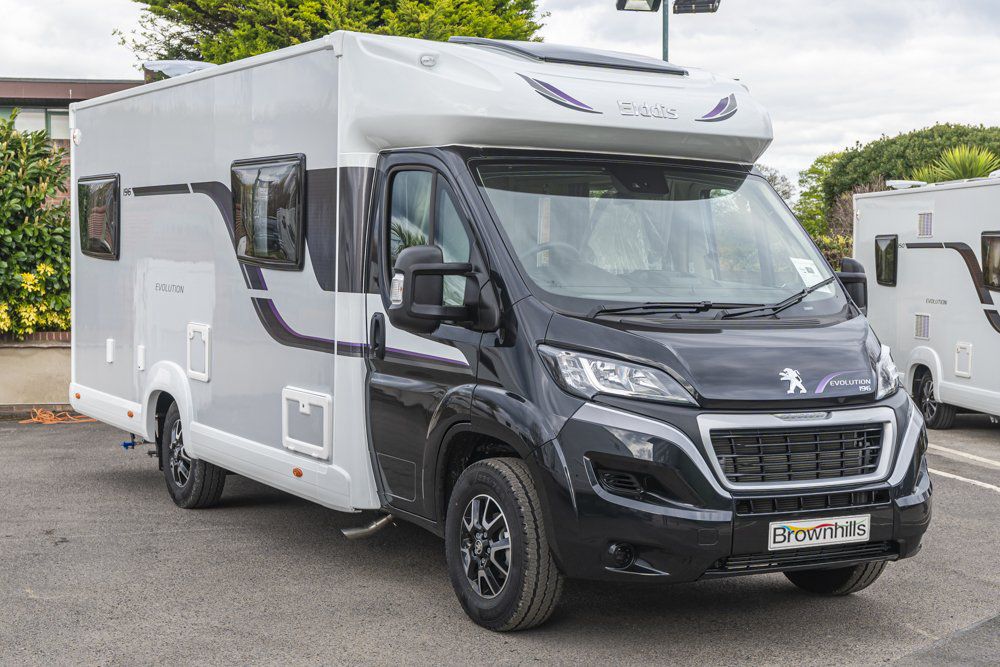
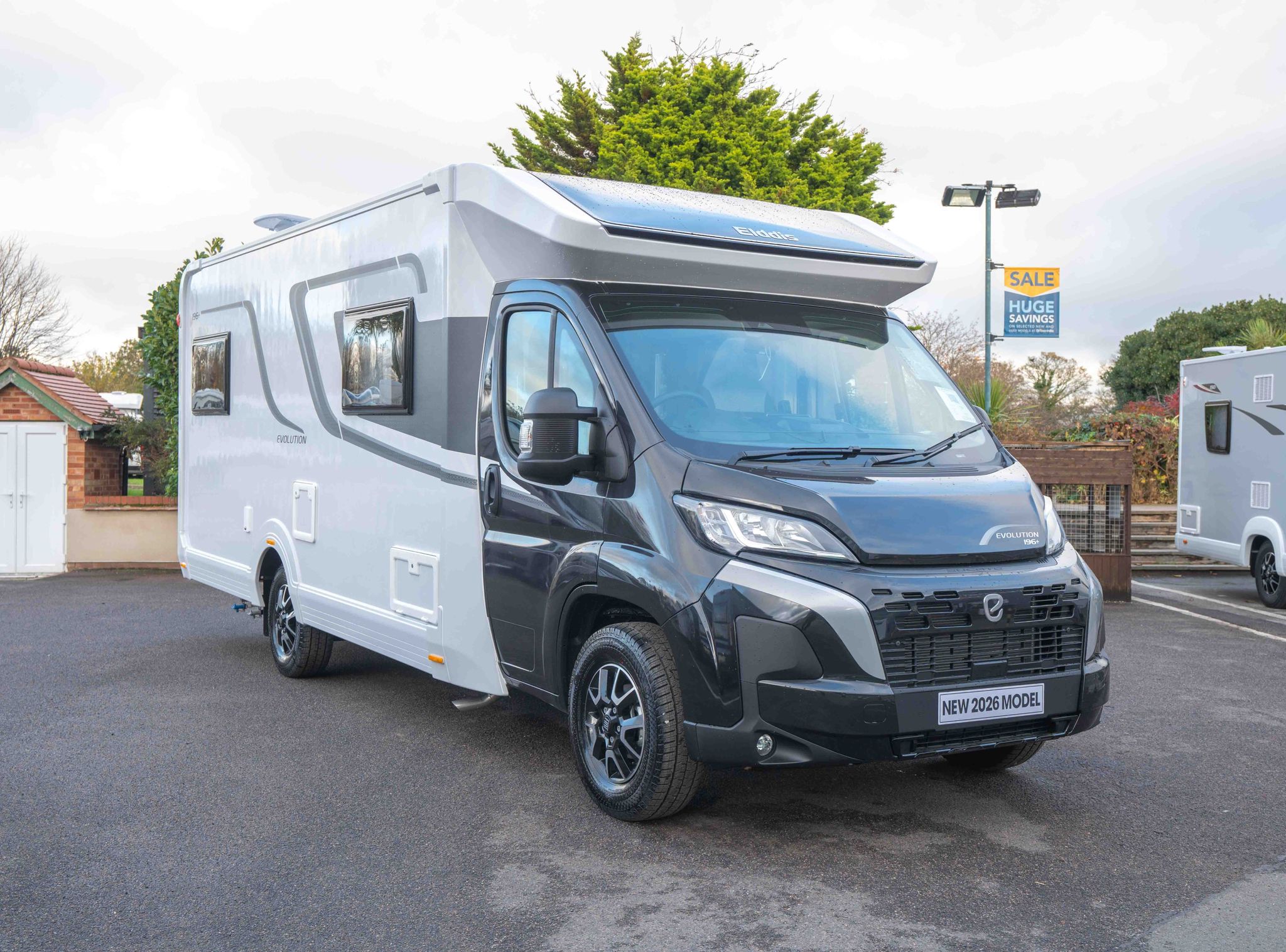
Browse our fleet for the right vehicle. Dog-friendly motorhomes are ideal for moorland walking. Check our packing checklist before you go - and bring your own bedding (we do not provide duvets or towels).
North York Moors in Pictures
Perfect for Your Adventure
Choose from our carefully selected collection of modern motorhomes and campervans
Common Questions About North York Moors
Related Pages
Plan Your North York Moors Trip
Browse our premium fleet of motorhomes and start planning your perfect adventure.