
Norfolk & Suffolk by Motorhome
Norfolk and Suffolk by motorhome. Big skies, the Broads, empty beaches, medieval wool towns, and a pace of life that makes the rest of England feel rushed. The quietest coastline in the country.
Norfolk and Suffolk by Motorhome
Norfolk and Suffolk are the counties that time forgot, and that is meant as a compliment. Big skies that stretch from horizon to horizon. Flat, quiet roads that are a pleasure to drive. A coastline of empty sandy beaches, salt marshes, and crumbling cliffs that rarely feels crowded even in August. The Norfolk Broads - a unique waterway landscape found nowhere else in England. Medieval wool towns with half-timbered buildings leaning at impossible angles. And Cromer crab, which people who know about these things say is the finest in Britain. About three and a half hours from our depot via the A1 and A17, making it a comfortable week or a natural pairing with the Cotswolds on a longer tour.
The North Norfolk Coast
This is the main draw, and it is extraordinary. The coast from Hunstanton to Cromer is an Area of Outstanding Natural Beauty - salt marshes, sand dunes, vast tidal flats, and beaches that make you feel like you have discovered somewhere nobody else knows about.
Holkham Beach is regularly voted the best beach in Britain and it is not hard to see why. A wide expanse of sand stretching to the horizon, backed by Corsican pines, reached by a boardwalk through the dunes. On a weekday in May you can walk for an hour without seeing another person. Wells-next-the-Sea nearby has a pretty quayside, a miniature railway to the beach, and excellent fish and chips. Brancaster has wide sand at low tide and the Brancaster Staithe mussels are famous.
Blakeney is the boat trip launch for the grey seal colony on Blakeney Point - one of the largest in England. The seals haul out on the shingle in their hundreds and the pups born in winter are absurdly photogenic. Cley next the Sea has been a birdwatching mecca since the 1920s and the Norfolk Wildlife Trust reserve is one of the premier birding sites in the country. Even if you are not a birdwatcher, the walk along the shingle ridge from Cley to Blakeney Point is stunning.
Cromer has the pier, the lifeboat station (a dramatic history of rescues), and the crab. Cromer crab is not a tourist gimmick - the cold, clean North Sea water produces sweet, delicate meat that is genuinely different from crab elsewhere. Buy it dressed from a fishmonger on the high street. Sheringham next door has the North Norfolk Railway (the Poppy Line) steam trains, good coastal walking, and a more local feel than the touristy honeypots further west.
The Norfolk Broads
The Broads are Britain's largest protected wetland - 120 miles of navigable waterways, 60+ lakes (called broads), and a landscape of reed beds, windmills, and medieval churches reflected in still water. They were created by medieval peat digging that flooded over centuries - not a natural formation, but now a unique ecosystem supporting rare wildlife including swallowtail butterflies, bitterns, marsh harriers, and otters.
You cannot take a motorhome on the water, but the network of lanes, villages, and riverside pubs around the Broads makes outstanding touring country. Ranworth has a church tower with views across the broadland. Hickling Broad is the largest and best for wildlife. Wroxham (the "capital of the Broads") has boat hire if you want a day on the water while the motorhome stays at the campsite. The roads are flat and straight - the easiest driving of any motorhome destination in Britain.
The Suffolk Coast
Aldeburgh is the town associated with Benjamin Britten, the Aldeburgh Festival at Snape Maltings, and a shingle beach where fishermen still sell fresh-caught fish from huts. The fish and chips from Aldeburgh Fish and Chip Shop are widely considered the best in Suffolk - expect a queue. Southwold is a perfectly preserved Edwardian seaside town - lighthouse, pier, colourful beach huts, and the Adnams Brewery (tour it). Dunwich was once the capital of East Anglia before the sea claimed it - now a tiny village with a beach and a museum telling the story of a drowned city. Atmospheric and strange.
RSPB Minsmere between Aldeburgh and Southwold is one of the most important nature reserves in Britain. Avocets, bitterns, and marsh harriers breed here. The visitor centre and hides make it accessible for beginners as well as serious birders.
The Wool Towns
Lavenham is extraordinary - over 300 medieval buildings, many half-timbered and leaning at alarming angles after five centuries. It was one of the richest towns in England when wool was king and the wealth is frozen in the architecture. Long Melford has a high street over a mile long lined with antique shops. Bury St Edmunds has the abbey ruins, the cathedral, and the Greene King brewery. These towns are inland Suffolk at its finest and a complete contrast to the coast.
Food
Cromer crab is the headline act. Brancaster mussels and Stiffkey blues (cockles gathered from the salt marshes near Blakeney) are the supporting cast. Aldeburgh fish and chips. Adnams beer from Southwold and Woodforde's ales from the Broads. The farmers' markets at Holt, Aylsham, and Bury St Edmunds showcase local producers. Norfolk samphire (marsh samphire, picked from the salt marshes and eaten with butter and a squeeze of lemon) is a seasonal delicacy in summer that you cannot get in supermarkets.
Campsites
Clippesby Hall in the Broads is AA 5 Pennant - natural woodland, eight touring areas, fully serviced hardstanding, on-site restaurant. Sandringham Club Site sits within the Royal Estate woodland with 270 pitches - peaceful and well-run, excellent for the north Norfolk coast. Deer's Glade near Norwich is a quiet adult-only site surrounded by woodland. Southwold Camping and Caravan Site is tiny (about 19 pitches) and walking distance from the beach and brewery - book well ahead.
Roads and Practical Tips
Norfolk and Suffolk have the easiest roads of any motorhome destination in Britain. Flat, straight, and quiet. Any motorhome size handles every road comfortably. The A11 and A47 are the main routes. Even the smallest lanes are generally wider than their equivalents in Devon or Cornwall because the landscape is flat and open. You will not have narrow lane anxiety here.
The downside of flat is wind. The Norfolk coast is exposed and windy, especially in winter and spring. Check awning conditions before deploying. Mobile signal is patchy in rural parts of both counties.
When to Visit
May to June for the coast at its quietest with long days and wildflowers. July-August for beach weather but the north Norfolk honeypots (Holkham, Wells) get busy. September for warm sea and the start of the seal pupping season. November to February for the huge flocks of pink-footed geese that arrive from Iceland - thousands filling the sky at dawn and dusk on the north Norfolk marshes, a wildlife spectacle that rivals anything in Africa. Winter birdwatching on the Norfolk coast is a genuine reason to visit in its own right.
Norfolk and Suffolk pair naturally with the Cotswolds on a southern loop. Northumberland shares the same big-sky, empty-beach character for a comparison trip. A weekend covers the north Norfolk coast. A week covers coast and Broads. A fortnight lets you include Suffolk, the wool towns, and Norwich properly. Dogs are welcome on most Norfolk beaches year-round. Browse our fleet and check our packing checklist. Bring your own bedding and binoculars.
Norfolk & Suffolk in Pictures
Perfect for Your Adventure
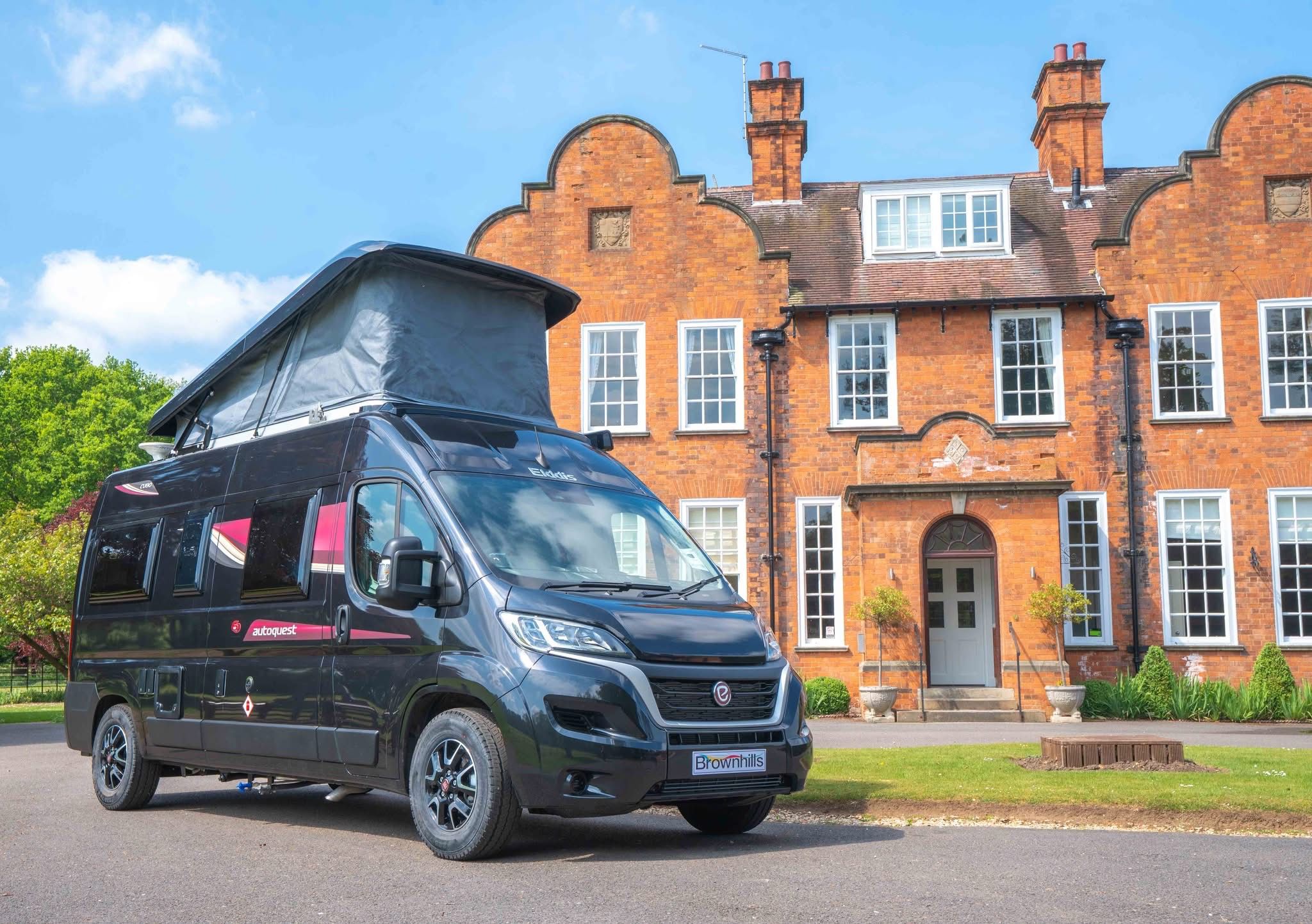
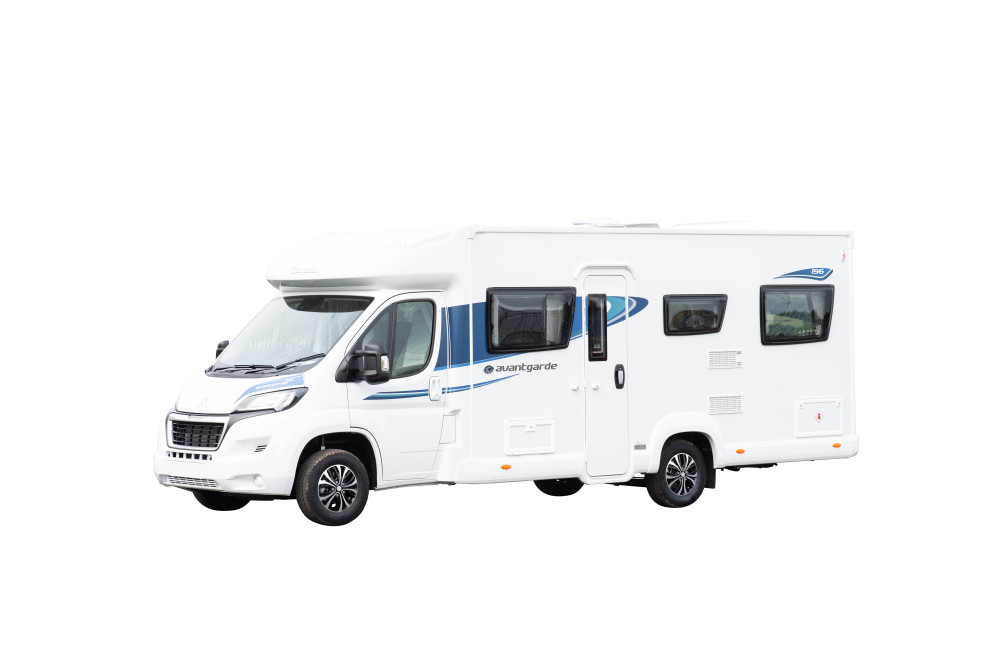
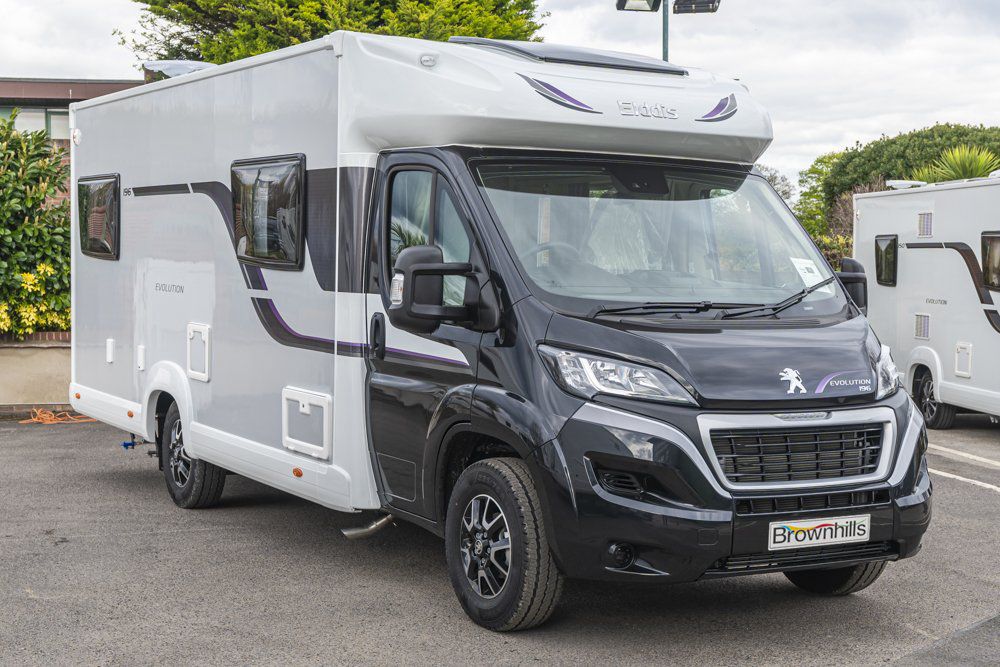
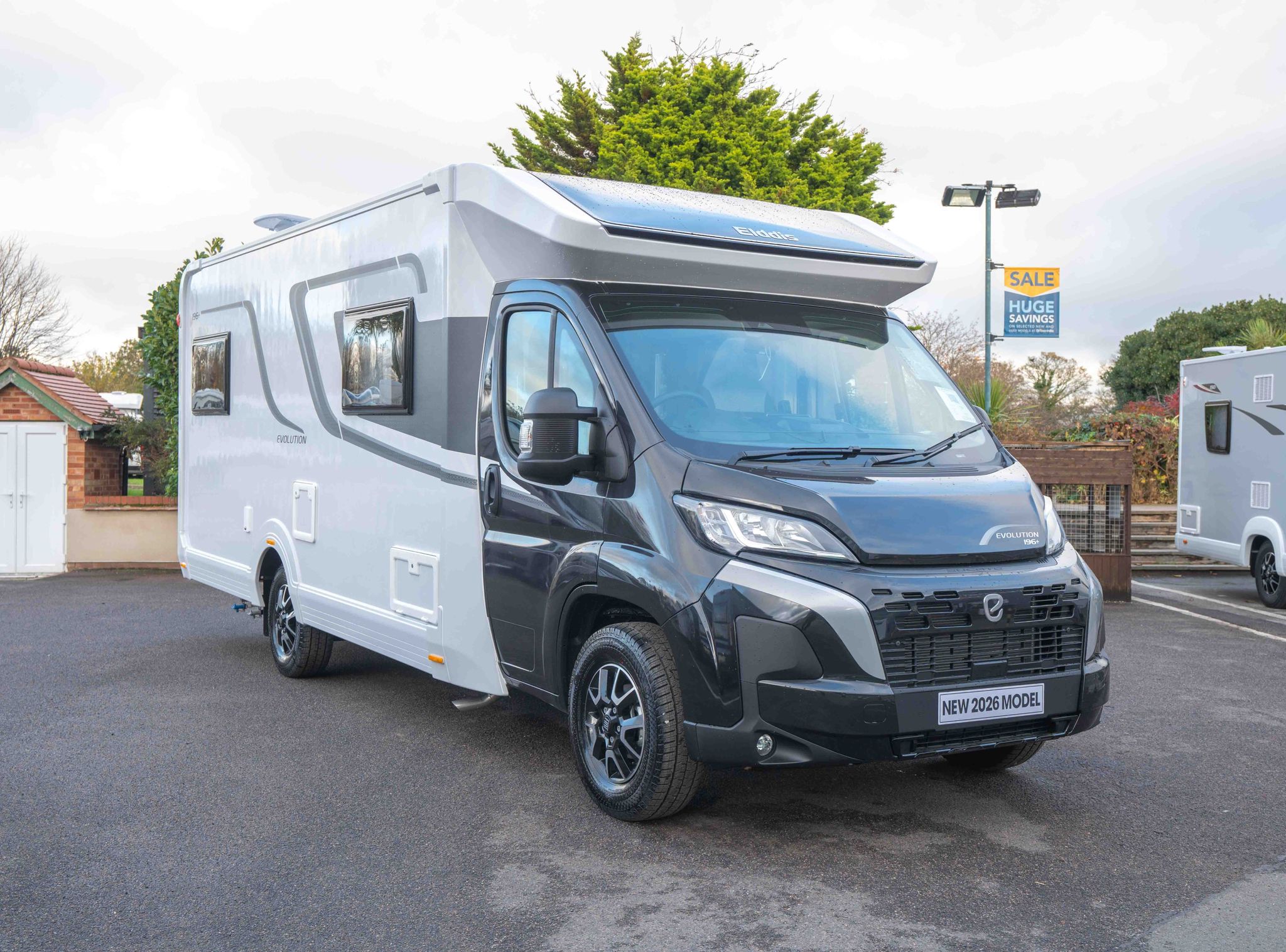
Choose from our carefully selected collection of modern motorhomes and campervans
Common Questions About Norfolk & Suffolk
Related Pages
Plan Your Norfolk and Suffolk Trip
Browse our premium fleet of motorhomes and start planning your perfect adventure.