
Scottish Highlands & NC500 by Motorhome
The Scottish Highlands and North Coast 500 by motorhome. 516 miles of dramatic coastline, mountains, and empty beaches. A trip of at least a week, ideally a fortnight.
Scottish Highlands and NC500 by Motorhome
The Scottish Highlands represent the ultimate motorhome adventure in Britain. No other destination offers such a combination of dramatic landscape, open space, and sheer driving pleasure. From ancient Caledonian pine forests to the sea stacks of the far north coast, from brooding lochs to the vast empty moors of Sutherland - this is landscape on a scale that has to be experienced. Inverness, the starting point for the North Coast 500, is about five and a half hours from our depot, making this a trip of at least a week and ideally a fortnight.
The North Coast 500
The NC500 traces a 516-mile loop around the northern Highlands, starting and finishing in Inverness. It follows the coast through Easter Ross and Caithness, rounds the dramatic north-western corner through Durness and Ullapool, and returns south through Wester Ross and the Great Glen. The scenery is extraordinary from start to finish - white sand beaches backed by mountains, sea lochs cutting deep into the land, and single-track roads that seem to hang above the ocean.
Heading clockwise from Inverness, you pass through the Black Isle and along the Dornoch Firth to Dunrobin Castle, a fairy-tale stately home overlooking the sea. John o' Groats marks the north-eastern corner, though Dunnet Head - the true most northerly point of mainland Britain - is more dramatic, with cliffs dropping into the Pentland Firth and views across to Orkney.
The North-West Coast
This is where the NC500 reaches its peak. The beaches at Durness - Balnakeil and Sango Sands - have Caribbean-white sand and water of startling clarity, backed by the rugged peaks of Cape Wrath. Smoo Cave, a vast sea cave near Durness, is one of the most impressive natural features on the route. Assynt is a landscape of isolated peaks - Suilven, Canisp, Quinag - rising from a plateau of Lewisian gneiss, some of the oldest rock on Earth. The road through Lochinver to Ullapool passes lochs, rivers, and mountain views that rival Scandinavia.
Campsite: Sango Sands Oasis in Durness sits right above the beach with an on-site restaurant and bar. One of the most spectacularly located campsites in Britain.
Ullapool and Wester Ross
Ullapool, a planned fishing village on Loch Broom, is the social hub of the north-west Highlands and the best place to restock supplies. From Ullapool, the route continues south through the Beinn Eighe National Nature Reserve and along the shores of Loch Maree and Loch Torridon. The Applecross Peninsula is accessible via the Bealach na Ba - one of the steepest roads in Britain with gradients up to 20%. The views from the top are among the finest in Scotland.
Road warning: The Bealach na Ba is not recommended for motorhomes larger than a 2 berth. The alternative coast road via Shieldaig avoids the pass and is scenic in its own right.
Campsite: Broomfield Holiday Park in Ullapool has 140 pitches with superb loch views. Stock up on supplies here - the next decent shop is a long way south.
Getting There
The drive north is part of the adventure. The A1 through Northumberland and across the Scottish border is scenic. Break the journey in Northumberland (Bamburgh, Holy Island) or Edinburgh. Beyond Edinburgh, the M90 and A9 head north through Perth and the Cairngorms to Inverness. Each stage grows wilder and emptier. Allow a full day for the drive or split it over two days with an overnight stop.
Alternatively, combine the NC500 with a wider Scottish tour. The Isle of Skye is accessible from the west coast. Loch Lomond and the Trossachs make a natural stop on the way up or back. Edinburgh deserves a night or two, especially during the Festival Fringe in August.
Practical Tips
Many NC500 sections are single-track roads with passing places. Drive slowly, use passing places to let faster traffic through, and give way to vehicles coming uphill. This is the etiquette and it matters - locals depend on these roads.
Fuel: Stations are sparse in the far north and west. Never pass one with less than half a tank. Prices are higher than mainland averages.
Midges: From June to September, the Highland midge is a reality. Bring midge spray (Smidge is the brand locals recommend) and a head net. They are worst in calm, humid conditions near standing water. A windy coastal pitch is your friend.
Mobile signal: Unreliable in many areas. Download offline maps before you leave. Carry cash - some remote businesses do not take cards.
Timing: Two weeks is ideal. Ten days is comfortable. A week is rushing it. The NC500 is not a race - the joy is in the stopping, not the driving. Build in rest days where you do not drive at all.
The NC500 is the busiest Scottish route in July and August. June and September are quieter with excellent weather and long daylight. May and October suit those who do not mind cooler temperatures and want the road almost to themselves.
Our longer-term hire rates reduce significantly for bookings of two weeks or more. The automatic gearbox is worth considering - single-track roads with constant stopping and starting are less tiring in an automatic. Browse our fleet for the options. Dog-friendly motorhomes are available - Scotland's open access laws mean dogs can roam more freely than in England. Check our packing checklist and add midge spray, waterproofs, and warm layers. We do not provide bedding.
Scottish Highlands & NC500 in Pictures
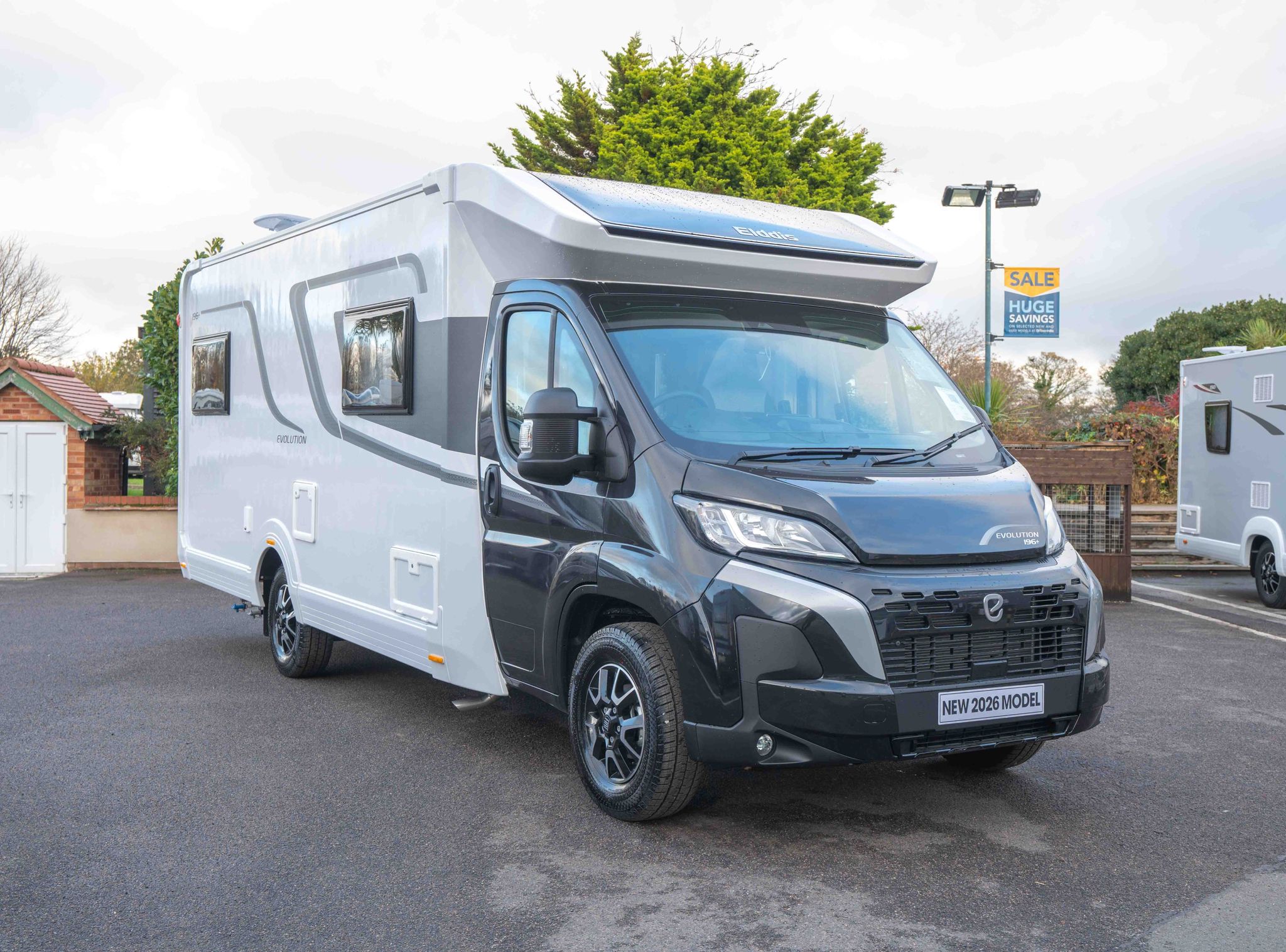
Perfect for Your Adventure
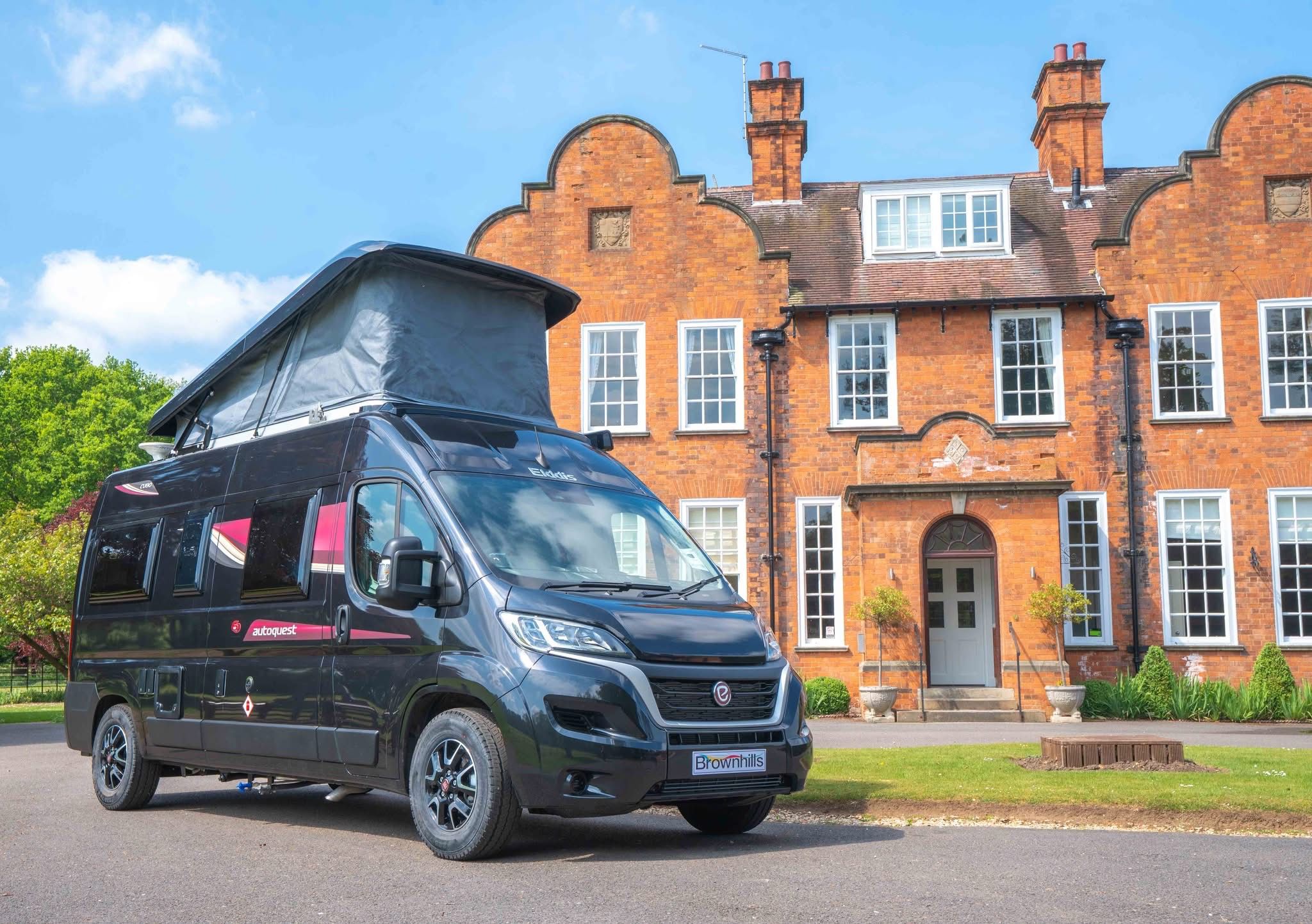
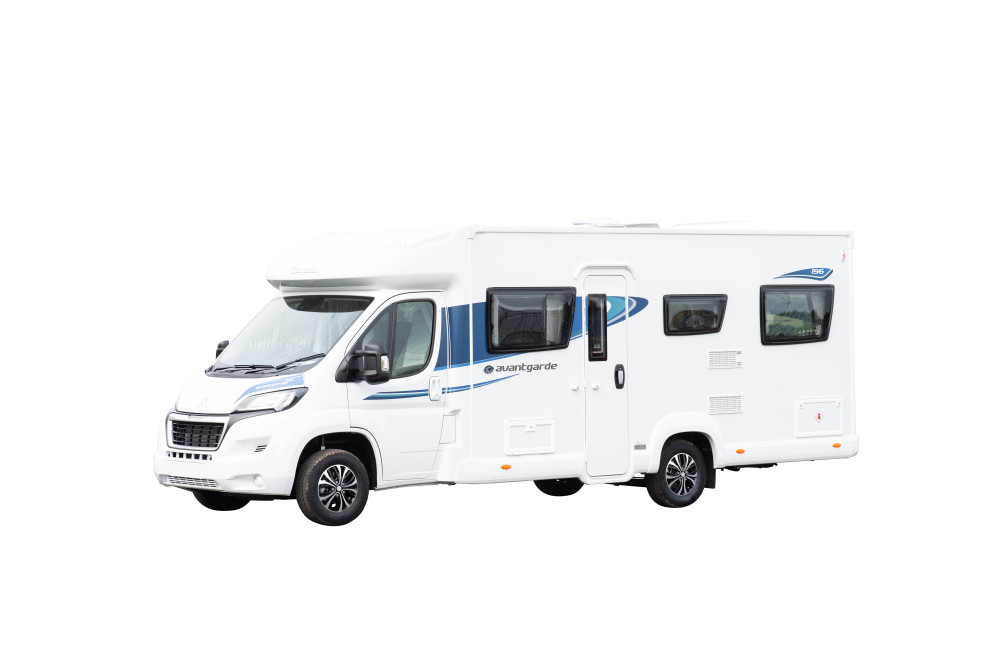
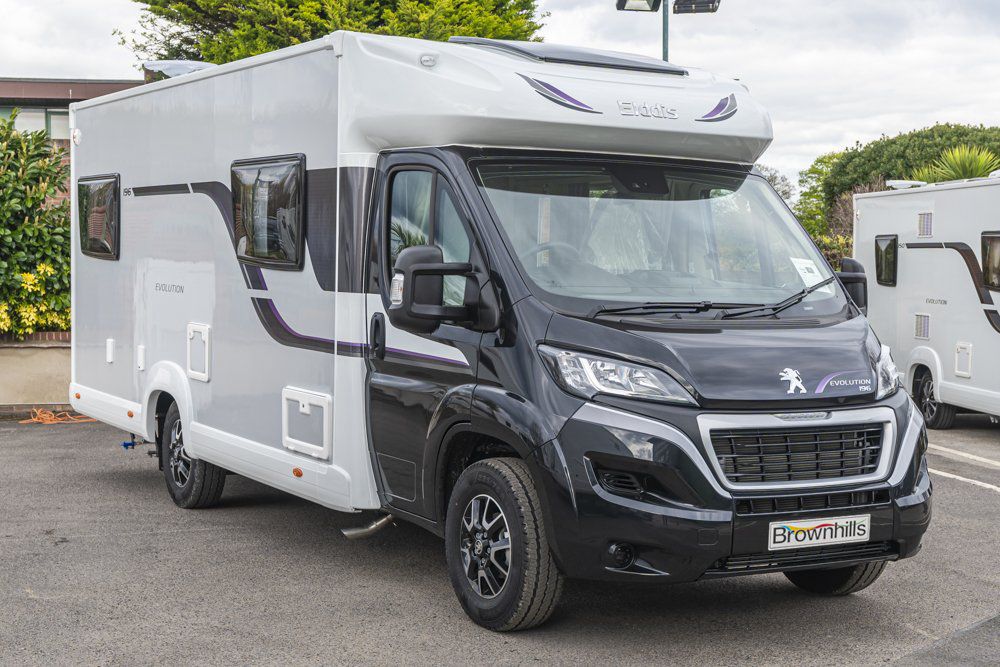
Choose from our carefully selected collection of modern motorhomes and campervans
Common Questions About Scottish Highlands & NC500
Plan Your Highlands Motorhome Trip
Browse our premium fleet of motorhomes and start planning your perfect adventure.