
Motorhome Hire vs Buying: Which Makes More Sense?
The question of motorhome hire vs buying comes up in almost every conversation we have with returning customers. Someone falls in love with the lifestyle after their second or third trip, starts browsing Autotrader and eBay, and then wonders whether it would be cheaper to just buy their own. It is a fair question, and the honest answer is: it depends entirely on how often you will actually use it.
The True Cost of Owning a Motorhome
The sticker price is only the beginning. A decent used motorhome, something like a four-berth Fiat Ducato-based coachbuilt from the last five to eight years, will cost you somewhere between £35,000 and £55,000. Newer panel van conversions from the likes of Volkswagen or Mercedes can push well beyond £60,000, and a brand new motorhome from a main dealer will set you back anywhere from £50,000 to over £100,000 depending on the layout and specification.
Then come the running costs that catch people off guard. Insurance for a motorhome typically runs between £300 and £800 per year depending on the vehicle's value, your experience, and where it is stored. An MOT and habitation check add another £200 to £350 annually. Servicing the base vehicle (oil changes, brake pads, timing belts, tyres) mirrors the cost of running a large van, so budget £500 to £1,000 per year depending on mileage and age. The habitation side has its own maintenance too: damp checks, sealant renewal, fridge servicing, gas system certification, water pump replacement, and the inevitable small repairs that come with a vehicle containing a kitchen, bathroom, and bedroom all rattling down the road.
Storage is the cost that nobody thinks about until they have a seven-metre motorhome sitting on their drive and the neighbours are giving them looks. Dedicated motorhome storage facilities charge between £80 and £200 per month, which adds up to £960 to £2,400 per year just for somewhere to park it. Some people keep them on their driveways, but you need a large enough drive, potentially planning permission, and the willingness to live next to a vehicle the size of a small bus for fifty weeks of the year.
And then there is depreciation, the silent killer of motorhome ownership finances. A new motorhome will lose 15 to 20 percent of its value in the first year alone, and around 10 percent per year after that for the next few years. Even a used purchase depreciates, albeit more slowly. A motorhome bought for £45,000 today might be worth £32,000 in five years if it has been well maintained. That is £2,600 per year disappearing into thin air.
What Does Motorhome Hire Actually Cost?
Hiring a motorhome for a week during peak season (school holidays, summer) typically costs between £900 and £1,400 depending on the size and specification of the vehicle. Shoulder season prices in May, June, and September tend to be lower, around £700 to £1,100 per week. Weekend breaks and midweek breaks offer even better value per night. You can browse our current fleet and pricing to see exactly what is available.
When weighing motorhome hire vs buying, remember that when you hire, you are getting a vehicle that has been fully serviced, insured, MOT'd, and cleaned. There is no storage to worry about, no damp checks to book, no habitation service to arrange. If something goes wrong mechanically, it is the hire company's problem, not yours. You also get to try different vehicles, perhaps a compact campervan for a couple's weekend away, or a larger coachbuilt for a family week, without being locked into one layout.
The Break-Even Calculation
The motorhome hire vs buying debate often comes down to the maths. If we add up the typical annual costs of ownership (insurance at £500, storage at £1,500, servicing and maintenance at £750, habitation check at £250, and depreciation at £2,500) you are looking at roughly £5,500 per year before you have driven a single mile or stayed at a single campsite. Fuel and campsite fees apply whether you hire or own, so we can set those aside for a fair comparison.
At an average hire cost of £1,000 per week, that £5,500 per year in ownership costs is the equivalent of about five and a half weeks of hire. If you are using a motorhome for six weeks or more per year, consistently, year after year, then ownership starts to look better on paper. If you are doing two or three weeks per year, which is what most people actually manage around work, school holidays, and the rest of life, hiring is significantly cheaper.
Factor in the purchase price spread over a typical five-year ownership period and the break-even point rises further. If you finance the purchase, interest adds to the annual cost. If you buy outright, that is a large chunk of capital tied up in a depreciating asset. Once you account for these, most realistic estimates put the break-even point at somewhere around eight to ten weeks of use per year. Industry surveys suggest the average motorhome owner uses their vehicle for around four to six weeks annually, well below that threshold.
We wrote a separate piece comparing motorhome hire costs against hotel stays if you want to see how hiring stacks up as a holiday option in its own right.
When Buying Does Make Sense
None of this is to say that buying is always the wrong decision. If you are retired or semi-retired and plan to spend two or three months on the road each year, ownership makes clear financial sense and gives you a vehicle you can customise to your exact preferences. If you want a motorhome permanently set up for spontaneous getaways, parked on your drive and ready to go at a moment's notice, the convenience factor is worth something that numbers alone cannot capture.
Some people also simply love the idea of having their own vehicle. Knowing every quirk, personalising the interior, adding their own touches over the years. That is a perfectly valid reason to buy, and it would be patronising to pretend otherwise. Just go in with your eyes open about the real costs.
When Hiring Makes More Sense
When it comes to renting vs owning a motorhome, hiring wins on pure economics for most people. Families doing two or three trips a year, first-timers testing the waters, groups wanting a vehicle for a festival or sporting event: hiring covers all of these without the financial commitment of ownership. You also avoid the hassle of year-round maintenance, the stress of something going wrong three hundred miles from home, and the slow realisation that a depreciating asset is sitting unused on your driveway for eleven months of the year.
Hiring also lets you scale up or down depending on the trip. A romantic weekend in the Yorkshire Dales does not need the same vehicle as a fortnight touring the Scottish Highlands with three children. With ownership, you are stuck with whatever you bought. With hire, you pick the right vehicle for the trip. For extended tours, we also offer long-term hire rates that bring the weekly cost down further.
A Practical Suggestion
If the motorhome hire vs buying question is keeping you up at night, do yourself a favour: hire a motorhome three or four times first. Try different layouts. Try different seasons. Try a week and try a weekend. You will learn what you actually need versus what the brochure convinced you that you wanted. You will discover whether you prefer a fixed rear bed or a drop-down, whether you need a full bathroom or a compact wet room, and whether a garage storage area matters to you or not. This hands-on experience is the best starting point if you have not hired before.
We have seen plenty of people hire with us, fall in love with motorhoming, and go on to buy their own, and they have always made better purchasing decisions because of it. We have also seen people hire a few times, realise that two or three trips a year is their sweet spot, and happily continue hiring, whether for a summer road trip or a short break, because the numbers simply work better for their situation.
If you are asking yourself should I hire or buy a motorhome, there is no wrong answer, only wrong assumptions. Do the maths with your own numbers, be honest about how much you will realistically use it, and you will make the right choice.
See our motorhome hire cost guide for more.
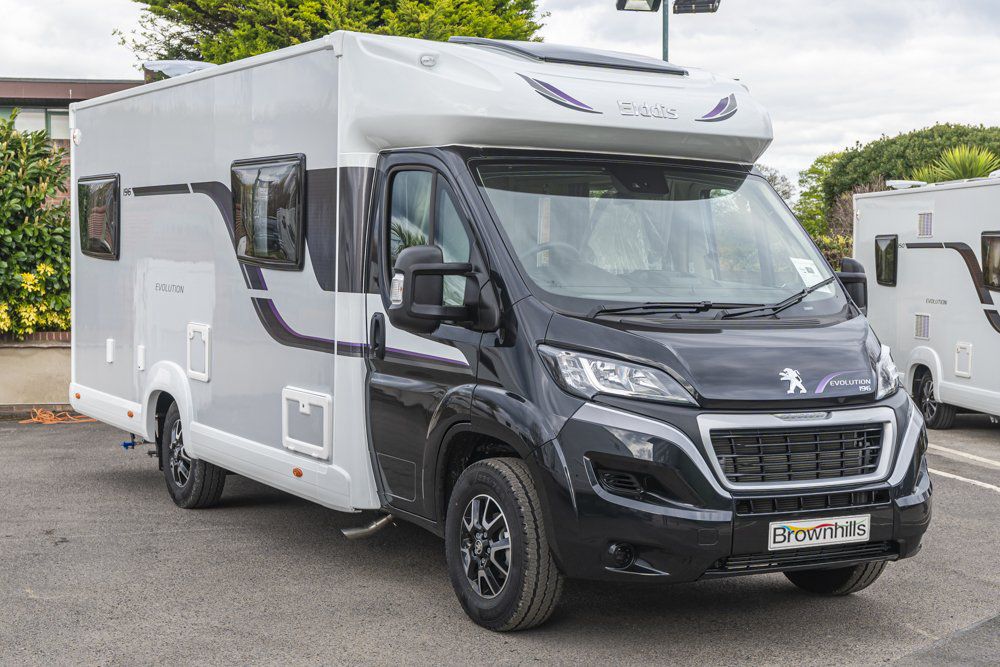
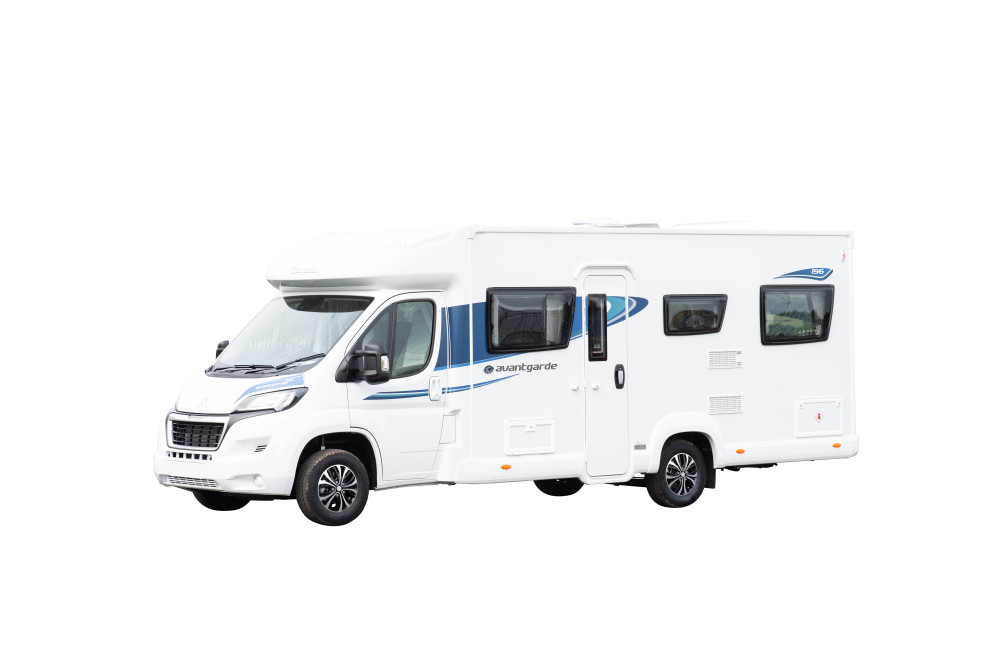
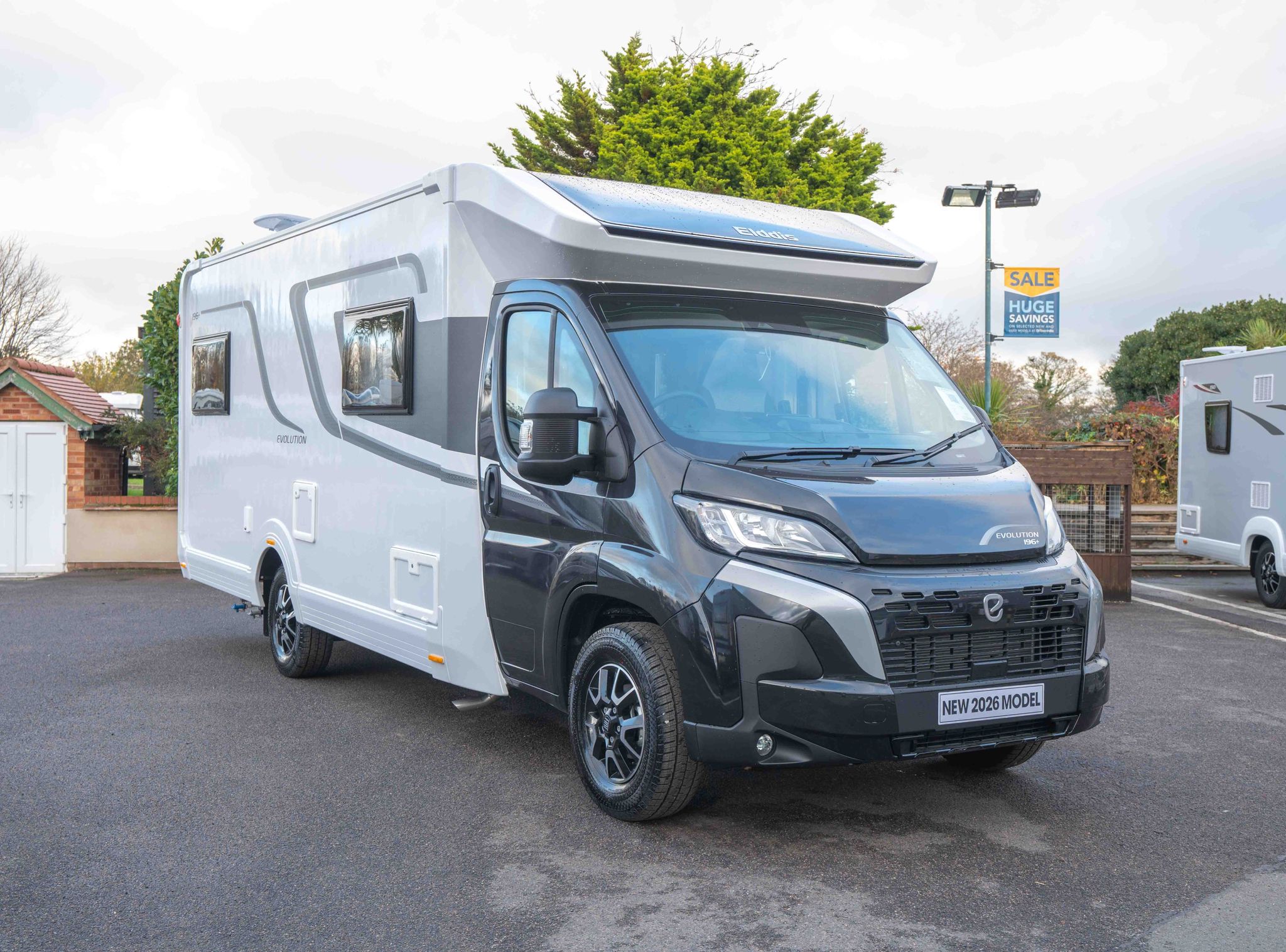
Browse Our Fleet
Continue Reading
10 Things I Wish I'd Known Before My First Motorhome Trip
Ten things every first-timer should know before a motorhome trip. Driving nerves, overpacking, campsite etiquette, the surprisingly good kitchen, fuel costs, and why everyone books a second trip.
How to Empty a Motorhome Toilet (It's Not as Bad as You Think)
The question everyone wonders but nobody asks. Step-by-step guide to emptying a motorhome cassette toilet - five minutes, no mess, chemicals explained, frequency by group size, and honest reassurance.
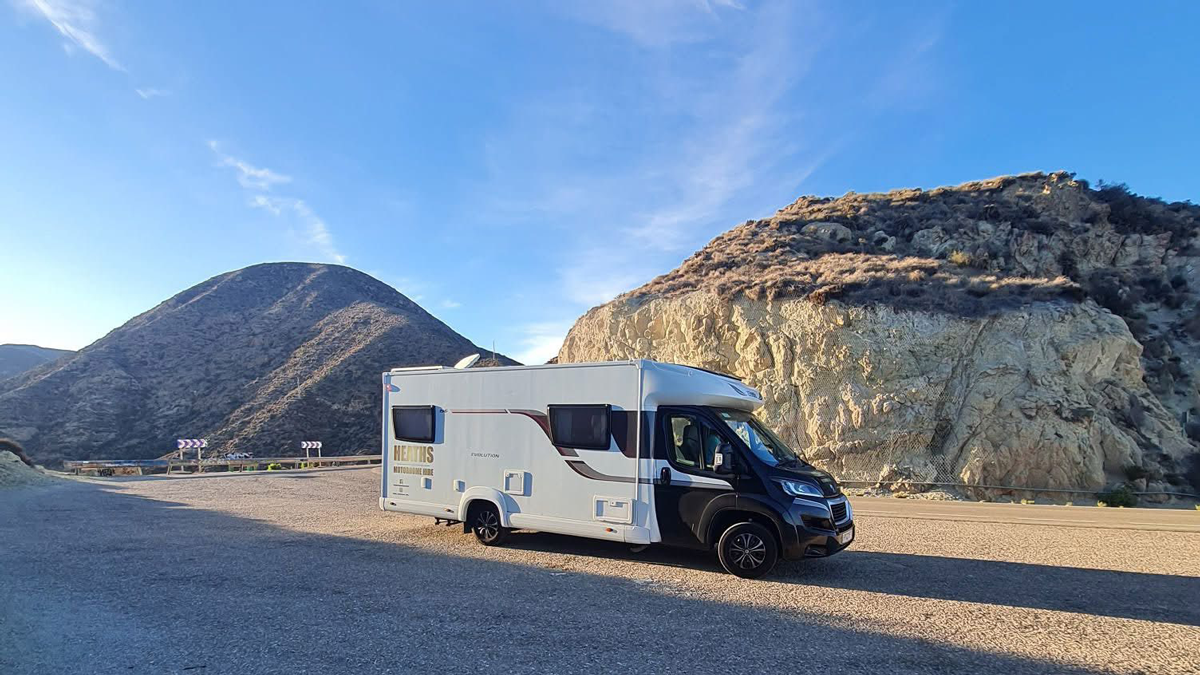
Your First Night in a Motorhome: What to Expect
What actually happens on your first night in a motorhome. Setting up, heating, the noises at 2am, sleeping tips, and that moment when you open the door in the morning.
Enjoyed this article?
Discover our luxury motorhome fleet and start planning your next adventure.