
Motorhome Holidays vs Caravan Holidays: What's the Difference?
Two people can look at the same campsite pitch and see completely different holidays. One pictures pulling up in a motorhome, everything already on board, ready to explore. The other pictures unhitching a caravan, freeing the car, and driving into town for dinner. Neither is wrong. But the difference between a motorhome and a caravan holiday is bigger than most people realise, and understanding it before you book or buy will save you time and money.
We run a motorhome hire business, so you might expect us to push motorhomes. We will be honest instead. Both options work well for the right person. Here is what actually matters.
The Core Difference: One Vehicle or Two?
A motorhome is a self-contained vehicle. Engine, cab, living space, kitchen, bathroom - all built into one unit. You drive it, park it, and live in it. A caravan is a separate trailer towed behind your car. When you arrive at a campsite, you unhitch the caravan, and the car is free.
That single distinction - integrated versus separate - drives almost every other difference between the two. Every advantage and disadvantage flows from whether your accommodation travels with you or waits at the campsite.
Flexibility on the Road
This is where a motorhome or caravan holiday diverges most sharply. In a motorhome, you can stop wherever the mood takes you - a layby with a view, a Brit Stop at a country pub, an aire on the continent - without needing to find somewhere to manoeuvre a towing outfit. See a beautiful village? Pull over. Fancy a different campsite? Just drive there.
Caravans are at their best when you are touring between established campsites. Once pitched, they provide a stable, spacious base, but moving on requires hitching up - 15 to 20 minutes of levelling, connecting electrics, and checking mirrors. Most caravanners stay put for several days rather than moving daily, which is not a flaw - it is a different style of travel that suits plenty of people.
For spontaneous, go-where-the-wind-blows travel, a motorhome wins decisively. For settling into a region and exploring from a fixed base, a caravan has genuine advantages.
Day Trips and the Car Question
Here is the caravan's strongest argument. When you arrive at a campsite and unhitch, you have a car. You can drive to the nearest town, explore narrow lanes, park in a standard car park space, and return to your pitch in the evening. Your accommodation stays set up, beds made, fridge cold.
With a motorhome, you either take your whole home with you every time you want to go somewhere, or you stay put. Some motorhomers tow a small car (called a toad) or carry bikes to extend their range from the campsite. Others simply pack up and move the motorhome when they want to explore - it takes five minutes rather than the 20 required for a caravan.
In practice, this matters less than you might expect. Most motorhome campsites are well-located for walking, cycling, or public transport. And with a motorhome, you are never truly stuck - you can always drive somewhere for the afternoon and return to the same pitch. But if you want to spend a week in one spot making daily excursions by car, a caravan is built for exactly that.
Space, Comfort, and Living On Board
Caravans generally offer more interior living space than a motorhome at the same price point. Without an engine, gearbox, or cab eating into the footprint, the entire length is usable living space. A mid-range touring caravan will typically have a more spacious lounge, bigger bathroom, and more storage than a comparably priced motorhome.
Motorhomes compensate with clever design. The cab area doubles as additional seating when parked, rotating front seats face the lounge, and drop-down beds over the cab add sleeping capacity without sacrificing floor space. Modern motorhomes make exceptional use of every inch. Our 6-berth models, for instance, sleep six comfortably with fixed rear beds and a drop-down double, plus a full kitchen and washroom. Take a look at our fleet to see how the layouts work.
For sleeping, both offer comfortable fixed beds, though caravan beds tend to be marginally larger. The drop-down cab beds in some motorhomes can feel enclosed if you are claustrophobic, but the rear island beds in larger models rival anything in a caravan.
Driving, Towing, and Licence Rules
For most people, driving a motorhome is easier than towing a caravan. A motorhome handles like a large van - you sit higher with better visibility, and once you are used to the width, it is straightforward. You are managing one vehicle.
Towing a caravan requires a suitable tow vehicle with adequate kerbweight, a tow bar, and confidence. Reversing a caravan is a genuine skill. Crosswinds on motorways can unsettle a caravan outfit. And there are legal weight limits - your car's Maximum Towing Capacity must exceed the caravan's Maximum Technically Permissible Laden Mass (MTPLM).
On the licensing side, anyone who passed their car test after 1 January 1997 can tow a caravan as long as the combined weight stays under 3,500kg, or the caravan weighs less than the car's unladen weight. For heavier outfits, you need a C1+E licence. Motorhomes under 3,500kg are driven on a standard car licence. Our full breakdown is in our motorhome driving licence guide.
For first-time tourers, a motorhome is almost certainly the easier introduction. You drive it, you park it, you are done.
What Does It Actually Cost?
If you are buying, the gap is significant. A decent used touring caravan costs 10,000 to 25,000 pounds. An equivalent motorhome runs 30,000 to 60,000 pounds. The motorhome also needs road tax, MOT, and insurance as a registered vehicle, while a caravan only needs contents insurance and CRiS registration.
Running costs on the road are closer than you might think. A diesel motorhome returns roughly 25 to 30 mpg. A car towing a caravan typically drops to 25 to 35 mpg depending on the tow vehicle - not the dramatic difference some assume. Campsite fees are usually identical for both.
Storage is a hidden cost for caravans. Unless you have a large driveway, you will pay 500 to 1,500 pounds a year for secure storage. Motorhomes need storage too if you cannot park at home, though some owners use them as a second vehicle.
Here is where hiring changes the maths entirely. Motorhome hire gives you all the advantages of motorhome travel - flexibility, no towing, self-contained living - without the capital outlay, depreciation, storage, maintenance, or MOT. You pick up a fully equipped, insured motorhome, use it for your holiday, and bring it back. No tow bar to fit, no winter maintenance, no depreciation clock ticking. For anyone who takes two or three trips a year, hiring often makes more financial sense than owning either a motorhome or a caravan.
Where Can Each One Go?
Both use the same campsites across the UK and Europe. The differences are at the edges. Motorhomes can use Brit Stops (free overnight parking at pubs and farms), autocaravan areas across France and Spain, and - where permitted - overnight in car parks and laybys. Caravans are restricted to sites where they can be pitched and levelled.
For European travel, motorhomes have a clear advantage. France alone has over 5,000 aires - dedicated motorhome stopovers with water, waste disposal, and sometimes electricity - most costing under 10 euros per night. Caravans cannot use these. If continental touring appeals to you, a motorhome opens far more doors.
On the other hand, some smaller rural campsites have tight access that favours a caravan, where the car does the manoeuvring and the caravan follows behind on the hitch. Motorhomes over 7 metres can find narrow campsite roads and tight pitch spacings challenging.
Which Suits Your Travel Style?
Rather than a generic verdict, here is who tends to prefer what:
Motorhome suits: couples who want to tour and move frequently, first-timers nervous about towing, anyone planning European trips, people who do not own a suitable tow vehicle, and those who want the simplicity of one vehicle doing everything.
Caravan suits: families who want a fixed base with a free car, people who already own a large tow vehicle, anyone who stays at each site for a week or more, and those who want maximum living space on a lower budget.
If you are genuinely unsure, the best advice is not to agonise over articles - try it. A weekend motorhome hire costs a fraction of buying either option and will tell you more about your preferences than any amount of reading. Many of our customers came to motorhoming after years of caravanning. Others tried a motorhome and decided they preferred a caravan. There is no wrong answer.
See our motorhome hire cost guide for more.
Browse Our Fleet
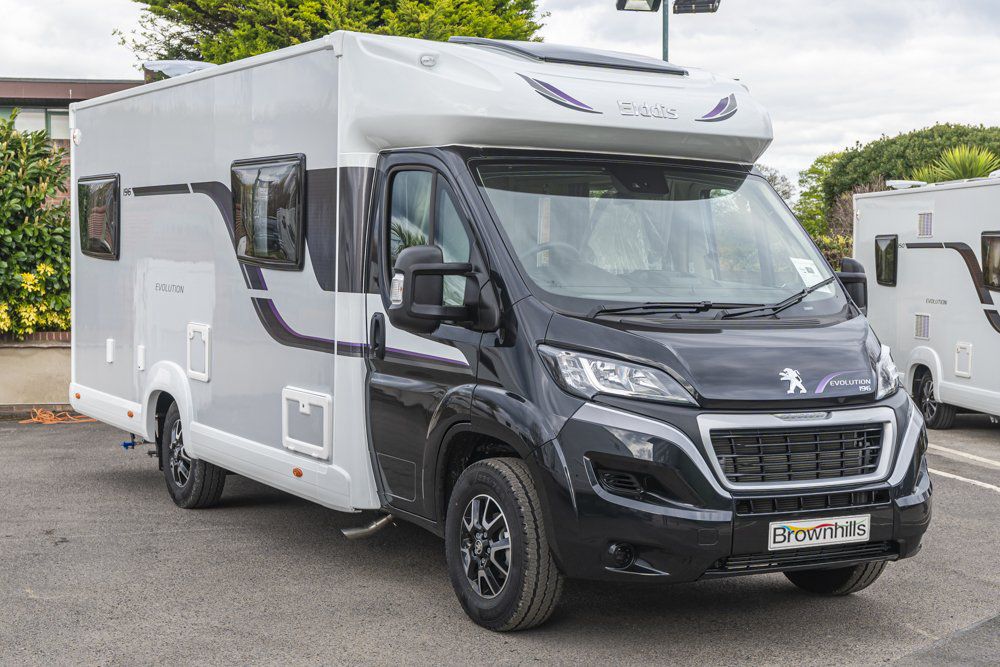
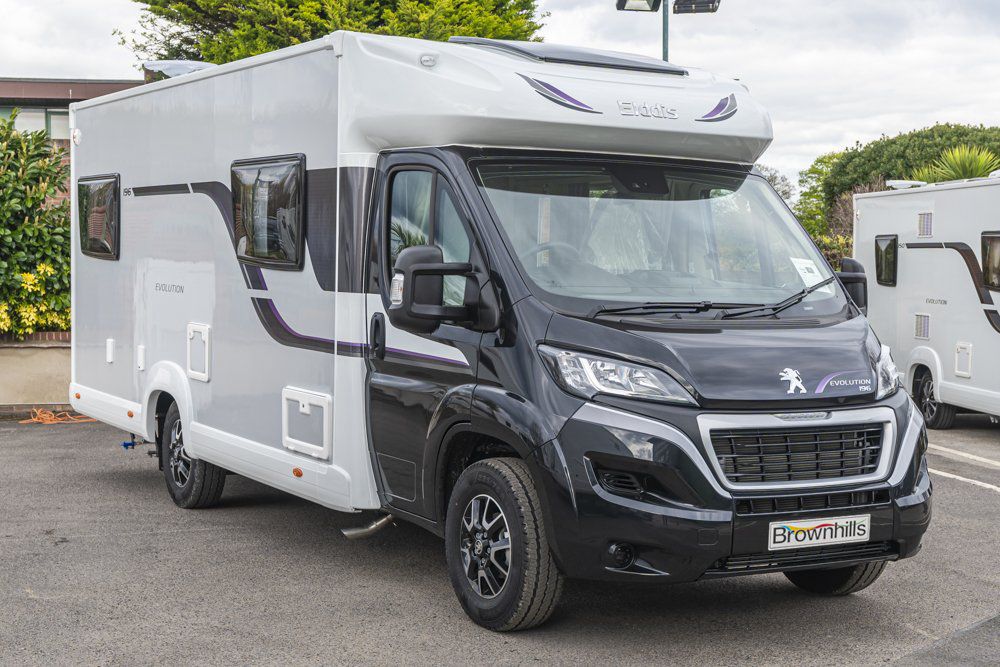
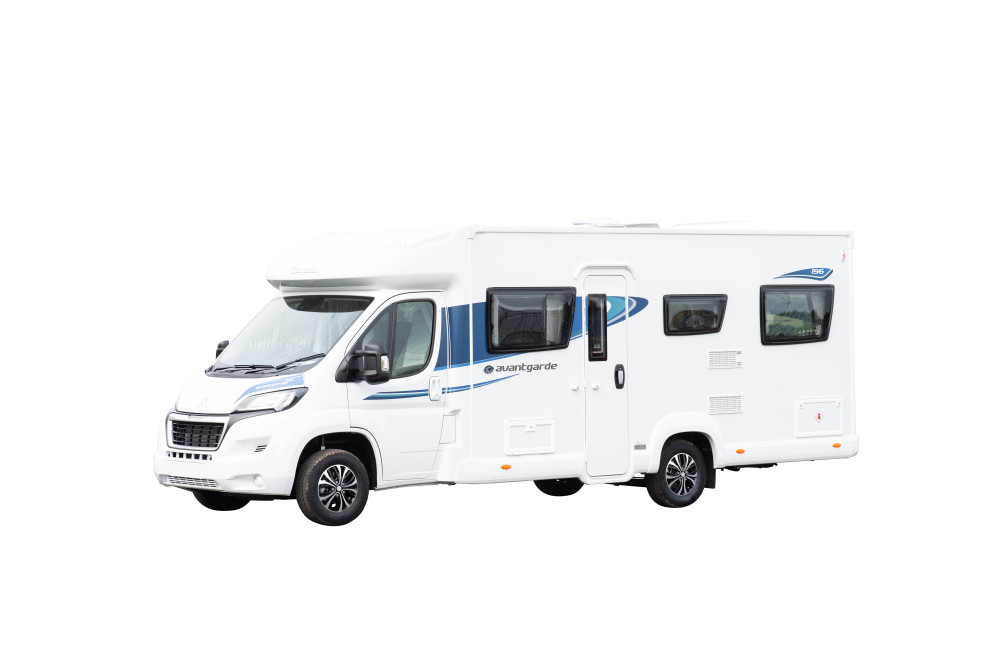
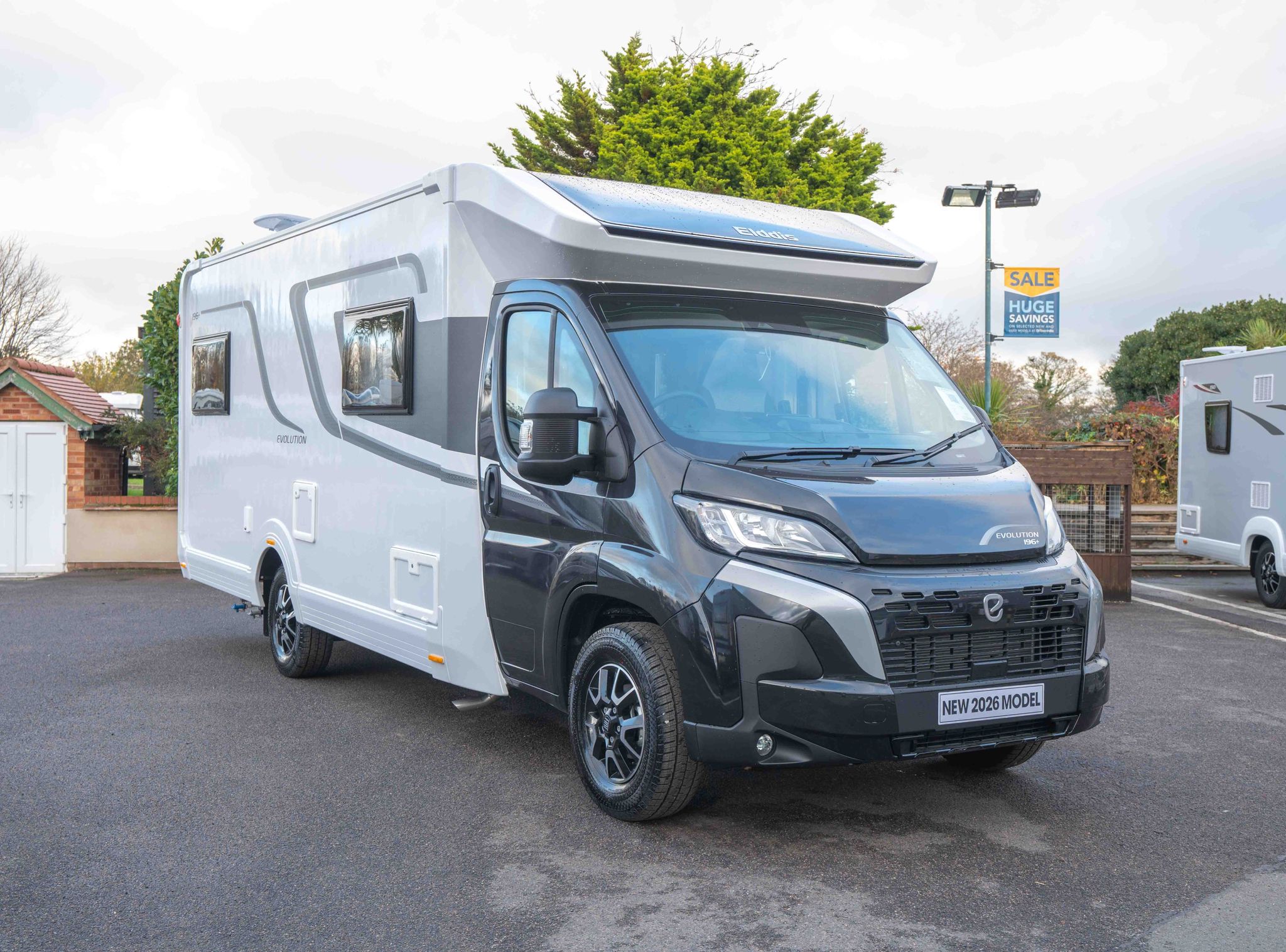
Continue Reading
How Far in Advance Should You Book a Motorhome Hire?
Honest advice on when to book motorhome hire. Peak summer holidays need 3-6 months notice, events book fast, shoulder season is flexible, and winter can be last-minute. A seasonal guide to planning.
Motorhome Accessories You Actually Need (and Ones You Don't)
An honest guide to motorhome accessories in three tiers. Actually need: levelling ramps, torch, CO detector, first aid kit. Nice to have: awning, BBQ, bikes. Don't bother: generators, satellite dishes, water purification systems, and most forum gadget recommendations.
Motorhome Fuel Costs: How Much Will I Spend on Diesel?
Honest motorhome fuel cost calculations. 25-30 MPG real-world figures, specific trip costs from Pontefract (Dales weekend £36, Lake District week £92, NC500 £284, Cornwall £356), and six practical tips to improve your diesel economy.
Enjoyed this article?
Discover our luxury motorhome fleet and start planning your next adventure.