
France by Motorhome
France is closer from Yorkshire than most people realise. Take the overnight ferry from Hull or cross via Eurotunnel, and thousands of free aires, world-class food and landscapes from Normandy beaches to Provencal lavender fields are waiting.
Your Guide to Touring France by Motorhome
Board the overnight ferry from Hull on a Friday evening and by Saturday morning you are driving through the French countryside with two weeks of the finest motorhome touring in Europe ahead of you. That is the reality of motorhome hire to France from our Pontefract depot - it is closer and easier than most people expect. France has more dedicated motorhome stopping places than any other country in the world, outstanding roads that were built for touring, and a food and wine culture that rewards travelling slowly. No wonder it is the most popular European motorhome destination by a wide margin.
Two Ways Across the Channel from Yorkshire
The quickest crossing is via Eurotunnel Le Shuttle from Folkestone to Calais - 35 minutes through the Channel Tunnel and you are in France. From Pontefract, the drive to Folkestone takes around four hours on the M1 and M20, so an early start puts you in northern France before lunch.
But the smarter option for Yorkshire-based travellers is often the overnight P&O ferry from Hull to Rotterdam. You board in East Yorkshire after a short drive from our depot, sleep in a cabin, and wake up on the continent ready to drive south into France through Belgium. This ferry route to France with your motorhome saves both fuel and a full day of motorway driving, and you start your holiday rested rather than tired. Hull to Rotterdam sailings run daily and the crossing takes around 11 hours overnight. From Rotterdam, the French border is roughly three hours south.
A third option is the DFDS ferry from Dover to Calais or Dunkirk, with crossings from around 70 pounds for a motorhome and two adults. Whichever route you choose, a France trip suits a longer hire of two weeks or more, giving you time to explore properly rather than rushing between regions.
Normandy and Brittany
If you cross via Calais or the Tunnel, Normandy is your natural first region. The D-Day beaches - Omaha, Utah, Gold, Juno and Sword - line the Calvados coast, and the memorials and museums marking Operation Overlord are among the most moving historical sites in Europe. The American Cemetery at Colleville-sur-Mer, overlooking Omaha Beach, is a place of profound quiet. Bayeux, home of the famous tapestry depicting the Norman Conquest of 1066, has an excellent municipal aire right beside the town centre with water, waste disposal and electricity for around 7 euros per night.
Camping Le Cormoran, a five-star site near Sainte-Mere-Eglise on the Utah Beach coastline, has full motorhome service pitches with hook-ups and is open from April to November. For something quieter, the cliff-top aire at Arromanches-les-Bains sits beside the 360-degree cinema overlooking the remains of the Mulberry harbour - one of the most atmospheric overnight spots in Normandy.
Mont Saint-Michel, rising from the tidal flats at the Normandy-Brittany border, is unmissable. Motorhome parking is available in the mainland car parks, with shuttle buses running across the causeway. Further west, Brittany brings a rugged Celtic coastline, the walled port of Saint-Malo, the Pink Granite Coast around Perros-Guirec, and the prehistoric standing stones at Carnac. Brittany's network of aires is dense, with many positioned right beside the coast or tucked among fishing villages.
The Loire Valley, the Dordogne and Southern France
South of Normandy, the Loire Valley stretches through vineyards and river meadows dotted with over 300 chateaux. Chambord, the largest, was built by Francis I as a hunting lodge and features a double helix staircase attributed to Leonardo da Vinci. Chenonceau, spanning the River Cher, is perhaps the most beautiful. Touring the Loire by motorhome - parking at one chateau, driving through vineyards to the next - is one of the great European road trip experiences.
The Dordogne and south-west France bring limestone gorges, fortified medieval villages and exceptional food. Sarlat-la-Caneda, with its golden stone buildings and Saturday market overflowing with foie gras, truffles and walnut products, is a highlight. The replica cave paintings at Lascaux IV, depicting art spanning 17,000 years, make a fascinating day out for families. Camping Les Peneyrals near Sarlat has 160 pitches across wooded terraces with a pool and motorhome service point, open from May to September.
Further south, Provence brings lavender fields in June and July, olive groves, Roman ruins at Arles and Avignon, and the dazzling light that inspired Cezanne and Van Gogh. The calanques near Cassis - dramatic limestone inlets between Marseille and La Ciotat - offer turquoise water and white cliffs that rival anything in the Mediterranean. A motorhome holiday in France that covers both the north and south needs at least two weeks, and three is better. Spring and early autumn are the best times for southern France - the weather is warm, the roads are quieter, and campsite prices drop considerably outside July and August.
Where to Stop - Aires, Campsites and France Passion
France has motorhome infrastructure that no other country matches. Aires de service and aires de stationnement are dedicated motorhome stopping places found in towns and villages across the country. Many are free, most cost between 5 and 12 euros, and nearly all provide fresh water and waste disposal. There are over 5,000 official aires in France, which means you rarely need to plan more than an hour ahead for somewhere to stop.
Beyond aires, France has over 8,000 registered campsites. Municipal campsites, run by local councils, are often excellent value at 10 to 15 euros per night with showers, electricity and a quiet village setting. For something different, France Passion is a network of over 2,200 farms, vineyards and chateaux that offer free overnight motorhome parking in exchange for an annual membership of around 30 euros. You park on the host's land, and often have the chance to taste and buy their wine, cheese, cider or honey. It works well with a hire motorhome - you just need the membership sticker displayed in the windscreen.
Apps like Park4Night and Camping-Car Infos are essential for finding and reviewing aires and stopovers on the move. Download them before you leave and you will always have options within reach.
What You Need Before You Set Off
All our motorhomes come with full European insurance and 24/7 roadside assistance as standard, so the paperwork for motorhome hire to France is straightforward. We provide the vehicle registration document, insurance certificate and European breakdown cover documentation. You will need your driving licence and a UK sticker on the rear of the vehicle.
French motorways are toll roads, so budget for peages or take the excellent network of free national and departmental roads, which are often more scenic and pass through villages where you can stop for lunch. Speed limits for motorhomes under 3.5 tonnes are 130 km/h on motorways, 80 km/h on single carriageways and 50 km/h in built-up areas.
You should order a Crit'Air emissions sticker before you travel. Cities including Paris, Lyon, Marseille, Strasbourg and Grenoble operate low emission zones where the sticker is required. It costs around 4 euros from the official French government website and takes a couple of weeks to arrive, so order it when you book. Our motorhomes qualify for Crit'Air 1 or 2, giving you access to all current zones. Note that the French parliament voted in May 2025 to abolish low emission zones, but this has not yet passed into law, so the sticker remains a requirement for now.
For a complete list of what to pack, our motorhome packing checklist covers everything from levelling blocks to headlamp beam converters.
Choose Your Motorhome for France
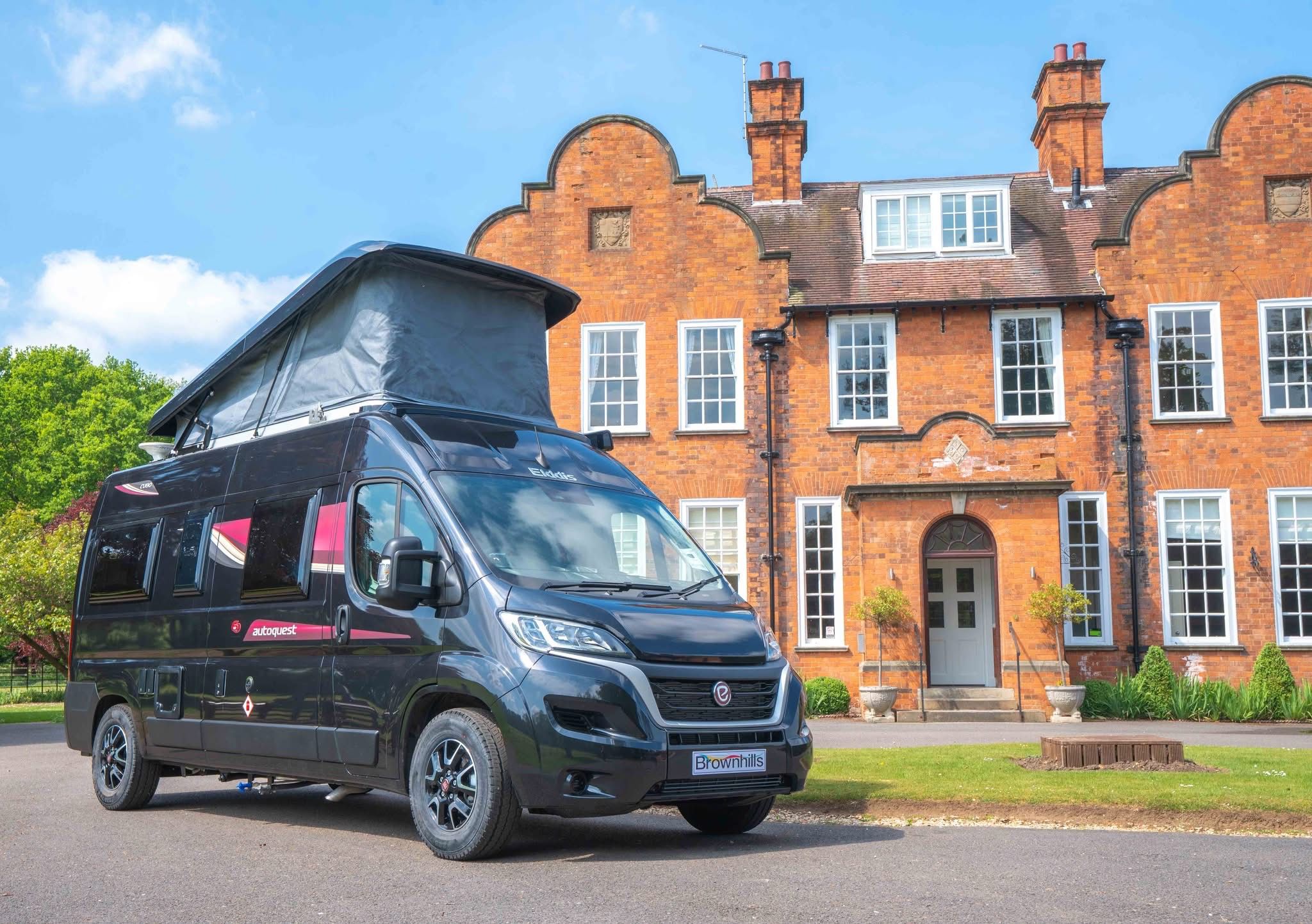
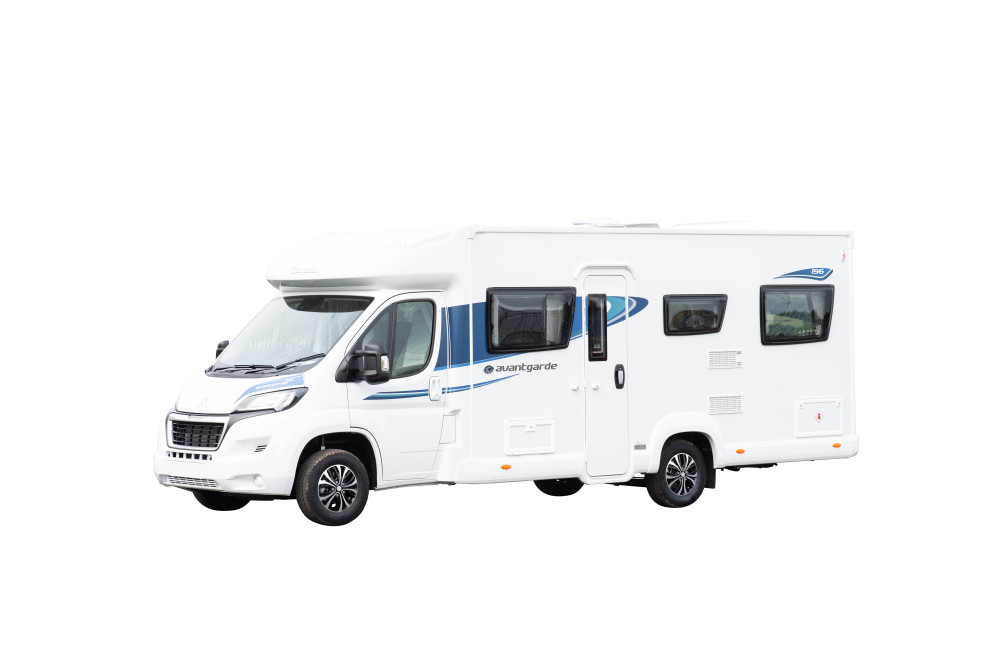
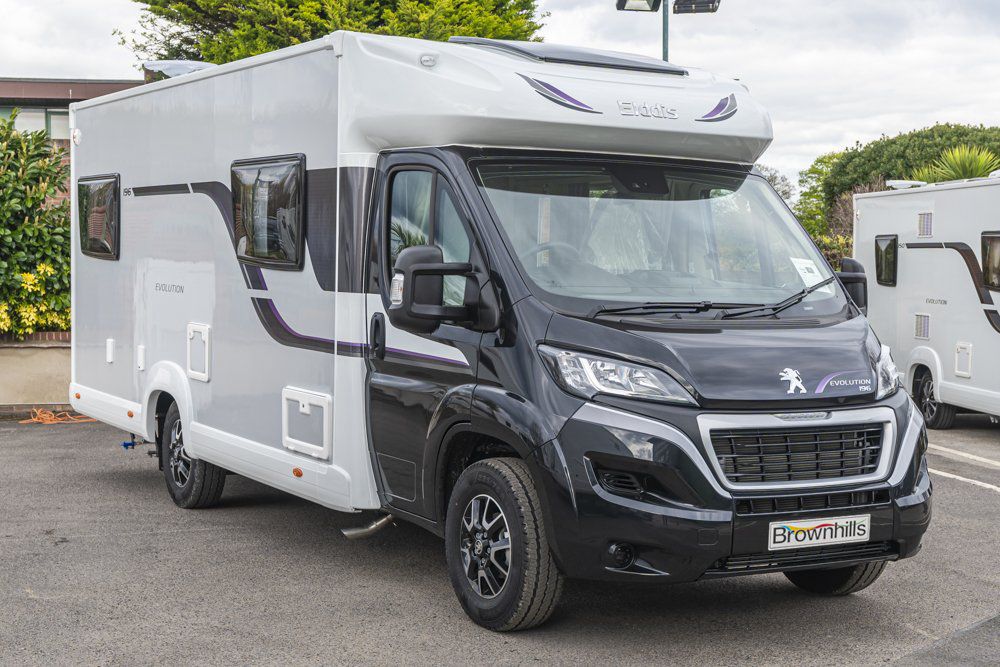
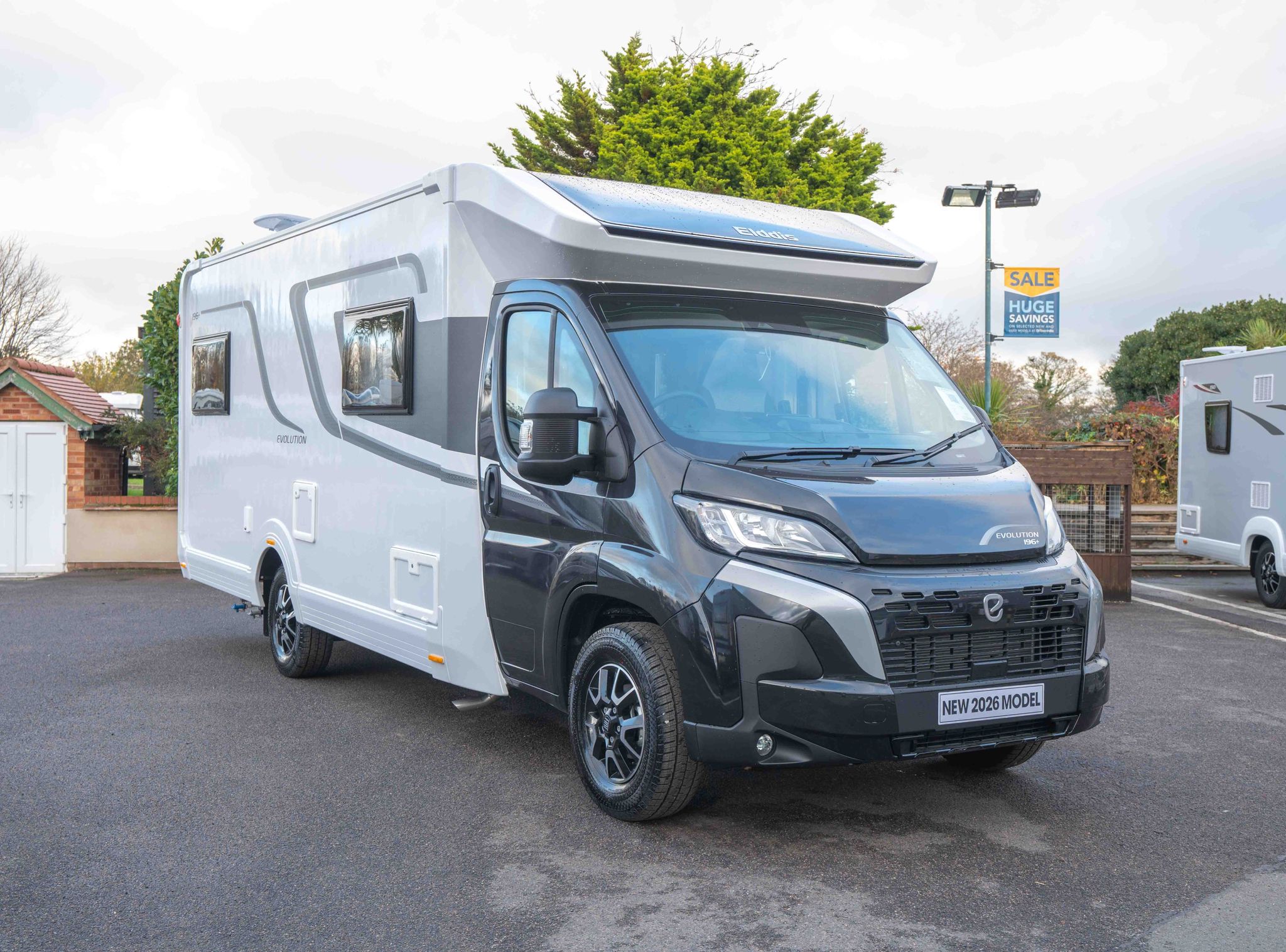
Our fleet includes 2-berth, 4-berth and 6-berth Elddis motorhomes with both manual and automatic options. Couples touring Provence might prefer the compact Autoquest CV80, while a family heading to Normandy and Brittany will have more space in a 6-berth Evolution. Several vehicles are dog-friendly, and France is famously welcoming to dogs in restaurants and cafes. Prices start from 135 pounds per night, and every motorhome hire to France booking includes full European cover as standard.
If this is your first time, we provide a complete walkthrough of all vehicle systems before you leave, including how to use French aires and service points.
France connects naturally with other European destinations. From Normandy or Brittany you can continue south to Spain via the Atlantic coast. The Netherlands is a natural add-on if you take the Hull-Rotterdam ferry. See our full guide to European motorhome holidays for more route ideas across the continent.
From Pontefract, the whole of France lies open. The food, the wine, the landscapes, and the simple pleasure of parking beside a village boulangerie to buy a warm baguette for breakfast - these are the experiences our customers come back talking about most.
France in Pictures
Perfect for Your Adventure
Choose from our carefully selected collection of modern motorhomes and campervans
Common Questions About France
Start Planning Your French Motorhome Trip
Browse our premium fleet of motorhomes and start planning your perfect adventure.