
Spain by Motorhome
Most people picture beaches and package holidays, but Spain by motorhome starts with the snow-capped Picos de Europa, Galician seafood markets, and Moorish palaces in Andalucia. From our Pontefract depot, the whole Iberian Peninsula is within reach.
Spain by Motorhome - A Complete Guide
Most people picture Spain as beaches and package holidays, but the first thing you see driving south from Santander is the Picos de Europa - snow-capped limestone peaks rising to 2,600 metres, with gorge walks, mountain villages, and alpine meadows that feel closer to Switzerland than the Costa del Sol. Motorhome hire to Spain from our Pontefract depot opens up one of Europe's most varied countries, from the green Atlantic coast in the north to the Moorish palaces of Andalucia in the south. A motorhome holiday in Spain of three weeks or longer is ideal, though two weeks will cover one region thoroughly.
Getting to Spain from Yorkshire
You have two good options. The first is to drive through France, breaking the journey with overnight stops at French aires. Take the Hull to Rotterdam overnight ferry or Eurotunnel from Folkestone, then head south on either the Atlantic route (Tours, Bordeaux, Biarritz, crossing at Irun) or the Mediterranean route (Lyon, Montpellier, Perpignan, crossing at La Jonquera). Budget two driving days from the Channel to the Spanish border, with French toll costs of roughly 100 to 135 pounds each way.
The second option is the direct Brittany Ferries sailing from Portsmouth to Santander or Bilbao, which takes between 20 and 36 hours and delivers you straight to northern Spain. From Pontefract, Portsmouth is around four and a half hours on the M1 and A3. Return crossings for a motorhome and two adults start from around 725 pounds in low season and rise considerably in summer. The direct ferry costs more upfront but saves two days of driving and all the French toll fees, so it is worth comparing both options for your dates.
Northern Spain and the Green Coast
If you arrive at Santander or Bilbao, northern Spain is immediately rewarding. The Picos de Europa, straddling Asturias, Cantabria and Leon, offer some of the most spectacular mountain scenery in southern Europe. The Cares Gorge walk - twelve kilometres carved into the cliff face above the River Cares - is one of Spain's finest hikes. The fishing port of Llanes, the medieval town of Santillana del Mar, and the prehistoric cave art at Altamira (viewed in an excellent replica) are all within easy reach of the Cantabrian coast.
Camping Playa Joyel near Noja in Cantabria is one of northern Spain's best-equipped touring sites, with direct beach access, full service pitches and a pool complex. It is open from March to October and fills quickly in July and August, so booking ahead for summer is wise.
Further west, Galicia is Spain's best-kept secret for motorhome travellers. Its coastline of rias - deep, fjord-like inlets - is among the most beautiful in Europe. The Rias Baixas produce exceptional Albarino wine, and the seafood is outstanding, particularly the octopus, mussels and percebes. Santiago de Compostela, the end point of the Camino pilgrimage, has a magnificent cathedral and a UNESCO-listed old town.
The Mediterranean Coast and Barcelona
The Costa Brava north of Barcelona combines rocky coves, pine-backed beaches, and the surreal legacy of Salvador Dali, whose museum in Figueres and house at Port Lligat are essential visits. Camping Las Dunas near L'Estartit sits behind the dunes with pitches for motorhomes of all sizes, a short walk from the beach and the Medes Islands marine reserve.
Barcelona itself demands at least a full day. Gaudi's Sagrada Familia, the Ramblas, and the Gothic Quarter all compete for attention. Motorhome parking in the city requires planning, but campsites at Gava and Castelldefels on the outskirts provide easy access via the commuter rail network.
South of Barcelona, the Costa Blanca around Alicante and the quieter Costa de Almeria offer warmer water and a longer season. This stretch of coast is particularly popular with motorhome travellers spending the winter in Spain, where daytime temperatures rarely drop below 15 degrees even in January.
Andalucia and the South
Andalucia is the Spain of the imagination - white-walled villages, olive groves stretching to the horizon, flamenco, and three of the greatest Moorish monuments in Europe. The Alhambra in Granada, a medieval palace and fortress complex of extraordinary beauty, is Spain's most visited site. Cordoba's Mezquita, a vast mosque converted to a cathedral, and Seville's Alcazar with its intricate tilework and cool courtyards complete the triumvirate.
The Cabo de Gata natural park in eastern Andalucia protects one of the most unspoilt stretches of Mediterranean coastline. Volcanic cliffs, deserted beaches, and crystal-clear water make it ideal for motorhome travellers who want to escape the crowds. The camper park at Agua Amarga has full services and sits just 300 metres from the sea, while further along the coast the small towns of San Jose and Las Negras have dedicated motorhome parking areas. Spaces fill up in summer, so arrive early or book ahead.
Campsites, Aires and Overnight Stops
Spain's network of campsites and motorhome aires has grown enormously. Areas de autocaravanas - dedicated motorhome service and parking areas - are now found across the country, many free or costing between 5 and 20 euros per night. Registered campsites are generally excellent value, with the larger coastal sites including pools, restaurants and entertainment. Municipal campsites in smaller towns can cost as little as 12 to 18 euros per night.
Apps like Park4Night and Campercontact are essential for finding verified stopovers. Wild camping regulations vary by region - some areas tolerate overnight parking, while others have introduced fines. We recommend sticking to official campsites and aires, particularly along the coast where enforcement has increased.
Your Motorhome for Spain
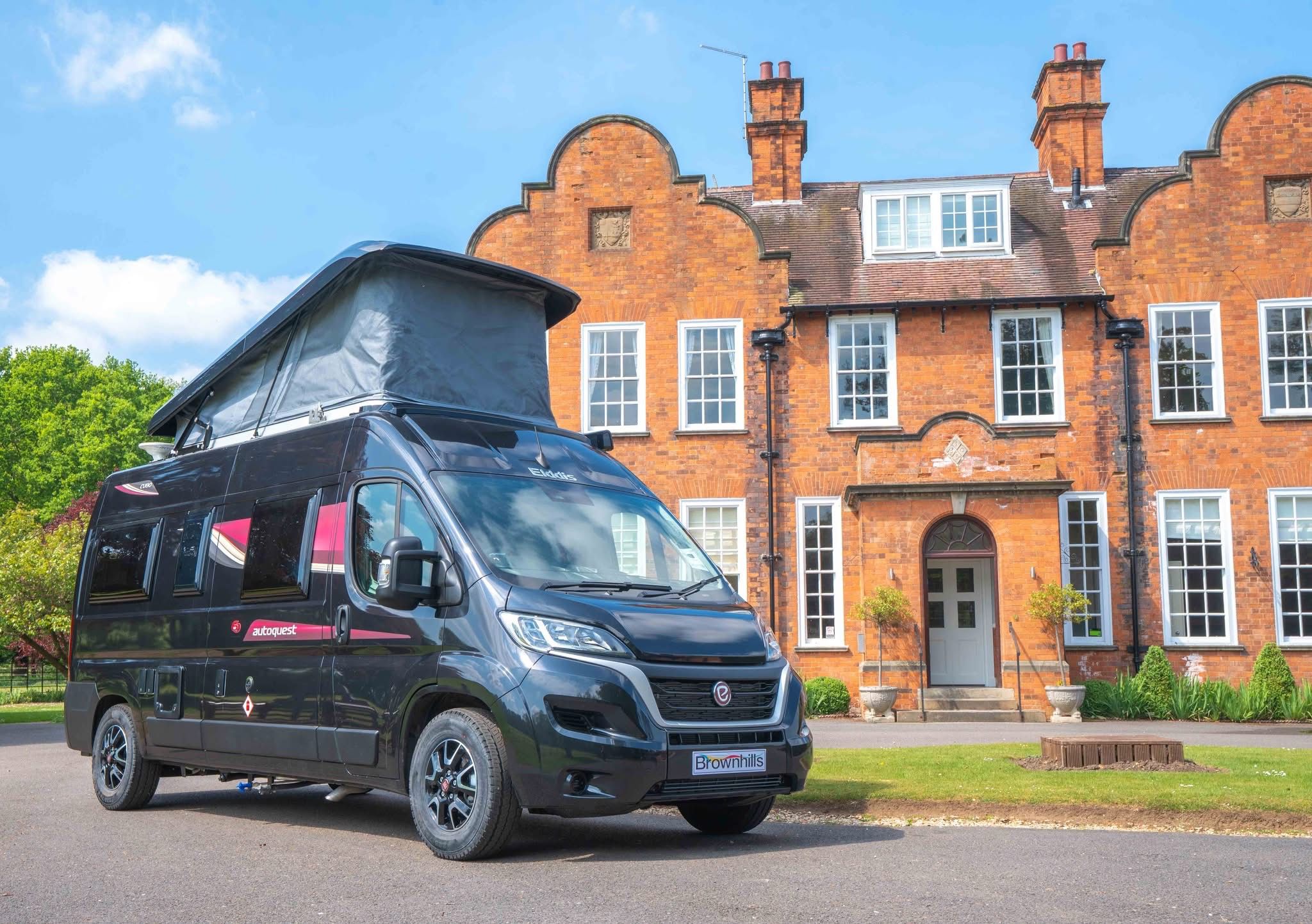
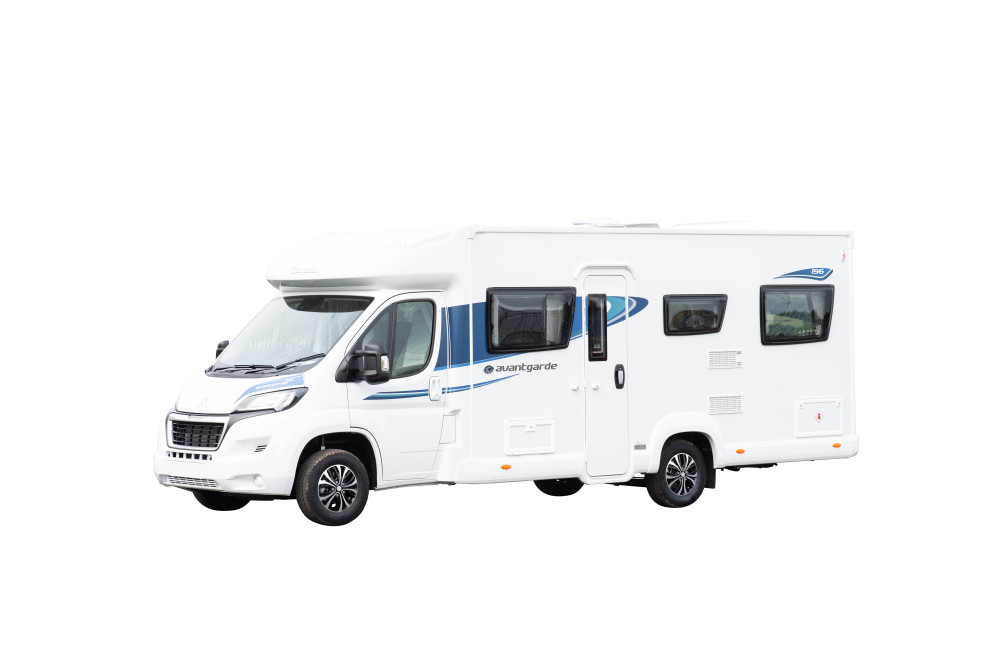
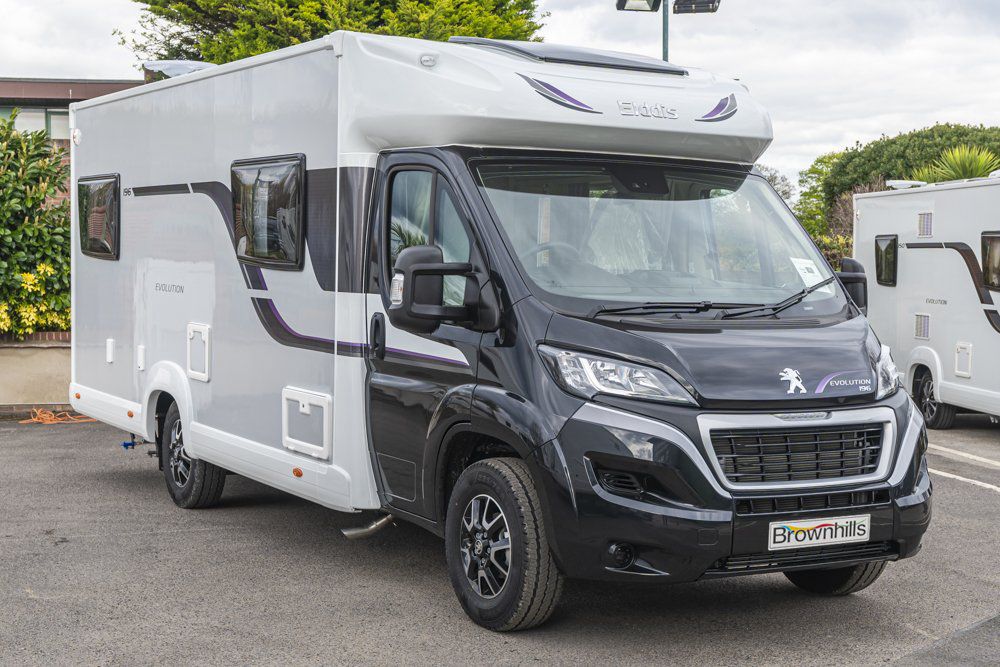
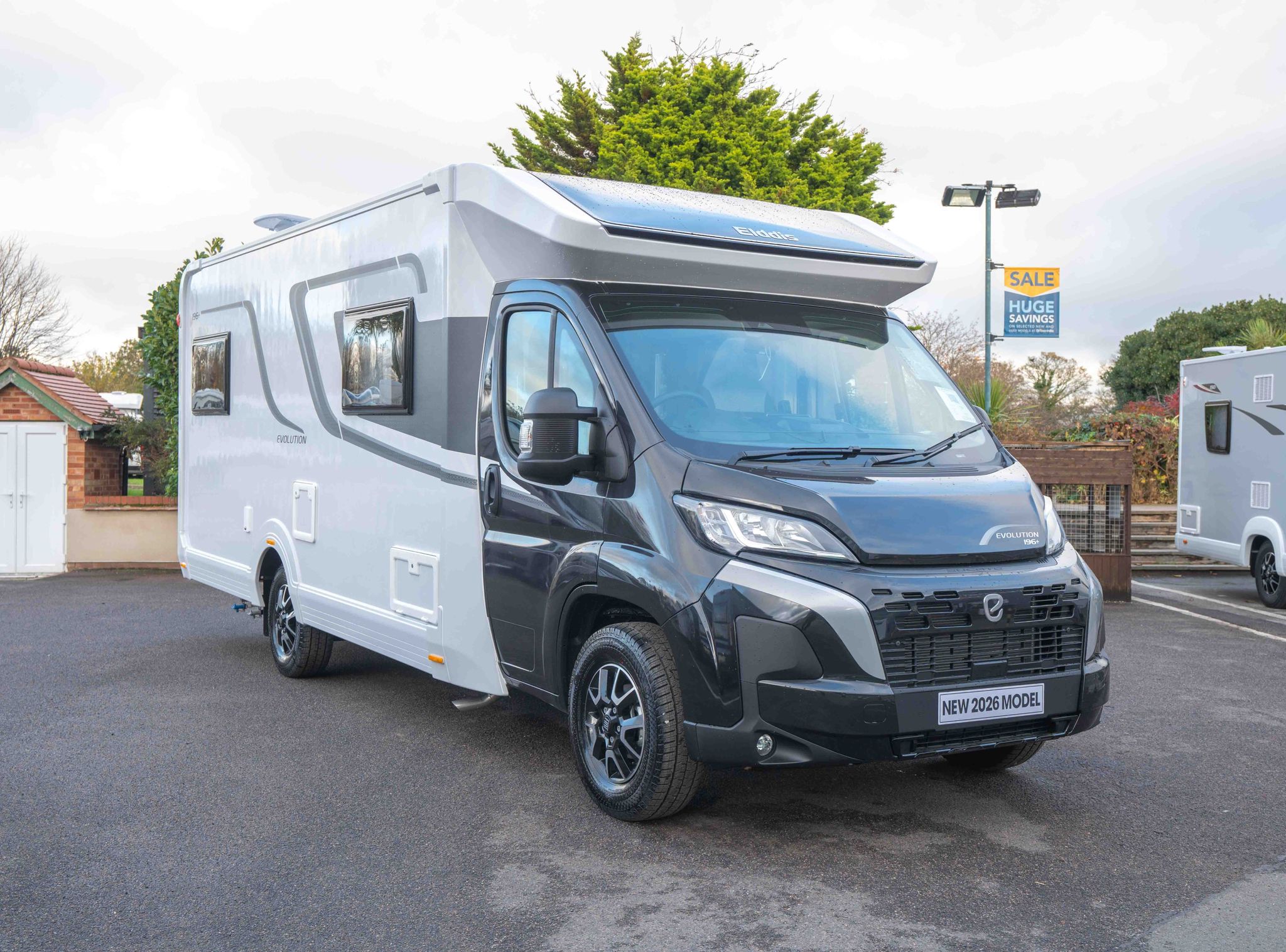
Our fleet includes 2-berth, 4-berth and 6-berth Elddis motorhomes with both manual and automatic options. The compact 2-berth Autoquest CV80 is popular with couples heading south for the winter, while families covering Andalucia and the coast usually opt for a 4 or 6-berth Evolution. Several vehicles are dog-friendly. Prices start from 135 pounds per night, and every motorhome hire to Spain booking includes full European insurance and 24/7 roadside assistance.
Spanish law requires you to carry a reflective vest and warning triangle. Speed limits for motorhomes under 3.5 tonnes are 120 km/h on motorways, 90 km/h on single carriageways and 50 km/h in towns. Toll motorways (autopistas) can be expensive over long distances - the free national roads (carreteras nacionales) are often better for motorhomes, with more scenic driving and easier access to towns. For a full list of what to bring, our motorhome packing checklist covers everything you need.
Spain connects naturally with Portugal - many motorhome travellers combine the two, crossing into the Algarve from Andalucia or exploring Porto and the Douro Valley from Galicia. For broader European route ideas, see our guide to European motorhome holidays.
From Pontefract, motorhome hire to Spain is a proper adventure. The sunshine, the food, the landscapes, and the warm welcome that Spanish towns give to touring vehicles make it one of the most rewarding European trips our customers take.
Spain in Pictures
Perfect for Your Adventure
Choose from our carefully selected collection of modern motorhomes and campervans
Common Questions About Spain
Book Your Spanish Motorhome Adventure
Browse our premium fleet of motorhomes and start planning your perfect adventure.