
Croatia by Motorhome
The water along Croatia's Adriatic coast is so clear you can see the seabed from the coastal road, and the walled cities that line the shore look like film sets. Over 1,100 miles of coastline, outstanding national parks, and Mediterranean prices that still offer genuine value.
Croatia by Motorhome - The Full Guide
The water along Croatia's Adriatic coast is so clear you can see the seabed twenty metres below from the coastal road, and the walled cities that line the shore look like they were designed for a film set rather than a medieval trade route. Motorhome hire to Croatia from our Pontefract depot is one of the longer European drives at around 1,200 miles, but it opens up a Mediterranean coastline that rivals Italy or Greece at a fraction of the price. Over 1,100 miles of indented Adriatic shoreline, medieval walled cities, outstanding national parks, and a food and wine scene that improves every year. Allow at least two weeks, and you will discover why Croatia has become one of Europe's most talked-about motorhome destinations.
Getting to Croatia from Yorkshire
The most practical route crosses the Channel via the Hull to Rotterdam ferry or Eurotunnel, then drives south through France and across the Alps into northern Italy, entering Croatia through the Istrian border near Trieste. Budget two to three driving days from the Channel, overnighting at French aires and Italian aree di sosta along the way.
An alternative route runs through Germany and Austria via Munich, crossing into Slovenia through the Karawanken Tunnel and entering Croatia from the north-east. This avoids the expensive Alpine tunnels into Italy. If you pass through Austria you will need a vignette (around 10 euros for 10 days, available online or at petrol stations near the border). Slovenia also requires a separate vignette (around 16 euros for a month). Both are checked by roadside cameras, so buy them before you cross each border.
Istria - Your First Stop
Istria, the heart-shaped peninsula in Croatia's north-west corner, is the first region you reach and worth several days on its own. Often called the new Tuscany, it combines hilltop medieval towns, truffle-rich forests, excellent wine, and a coastline of rocky bays and clear water. Rovinj, with its colourful Venetian old town tumbling down a peninsula into the Adriatic, is one of the most photogenic towns in the Mediterranean. Camping Porton Biondi sits right on the seafront in Rovinj with motorhome pitches among the pines, direct swimming access and views across to the old town.
Pula, at Istria's southern tip, has a magnificently preserved Roman amphitheatre that still hosts concerts in summer. Motovun, perched on a hilltop above the Mirna Valley, is the capital of Istrian truffle country and hosts an acclaimed film festival each July. The Istrian interior produces outstanding olive oil, Malvasia white wine and Teran red - all available direct from producers at prices that would be unthinkable in Tuscany.
The Dalmatian Coast - Zadar to Dubrovnik
The Dalmatian Coast running south from Zadar to Dubrovnik is Croatia's showpiece. Zadar has a beautifully restored old town, a Roman forum, and the Sea Organ - an installation that uses wave action to produce haunting musical notes. Split, Croatia's second city, is built around and within the walls of Diocletian's Palace, a third-century Roman residence that has evolved into a living city of shops, restaurants and apartments. Camping Stobrec, just south of Split, has beachfront pitches with full motorhome facilities and is open from April to October.
Dubrovnik, at the southern end, is one of the most beautiful cities in the Mediterranean. Its limestone walls encircle the old town in an unbroken circuit of nearly two kilometres, walkable in their entirety with views over terracotta rooftops, the harbour and the island of Lokrum. The Stradun, the polished limestone main street, runs past baroque churches and Gothic palaces. Camping Solitudo, a short bus ride from the old town, has motorhome pitches among the pines with sea access and modern facilities.
National Parks and the Islands
Plitvice Lakes, a UNESCO World Heritage Site in the mountainous interior, is Croatia's most visited natural attraction. Sixteen terraced lakes connected by waterfalls cascade through a forested limestone canyon, with water that shifts between emerald green, deep blue and pale turquoise. Boardwalks wind through the park, and a full circuit takes four to six hours. Krka National Park near Sibenik offers a similar experience on a smaller scale, with the bonus that swimming is permitted in the lower pools.
The islands are worth the effort. Hvar, famous for its lavender fields and Venetian architecture, is accessible by car ferry from the mainland. Korcula, the reputed birthplace of Marco Polo, has a walled old town and excellent wine. Brac, home to the Zlatni Rat beach near Bol, is reached by ferry from Split in under an hour. A Croatia campervan trip that includes island day trips adds a completely different dimension to the coastal touring.
Campsites, Autocamps and Staying Overnight
Croatian campsites are generally excellent, particularly along the coast. Many are large, well-equipped sites set among pine trees with direct beach access, pools, restaurants and waterfront pitches. Prices range from around 15 euros per night in low season to 35 to 50 euros in high season - still lower than coastal France or Italy.
Autocamps - smaller, simpler camping areas - are found along the coast and on some islands, offering basic facilities at lower prices. Croatia does not have a formal aire or stellplatz network like France or Germany, so campsites and autocamps are your main options for overnight stays. Wild camping is officially prohibited, and enforcement is strict in national parks and along the coast. We recommend always using official sites.
The food along the coast is outstanding - grilled fish, octopus salad, black risotto made with cuttlefish ink, and fresh oysters from the Ston salt pans. Croatian wine, particularly reds from the Peljesac Peninsula, is excellent and very affordable.
Your Motorhome for Croatia
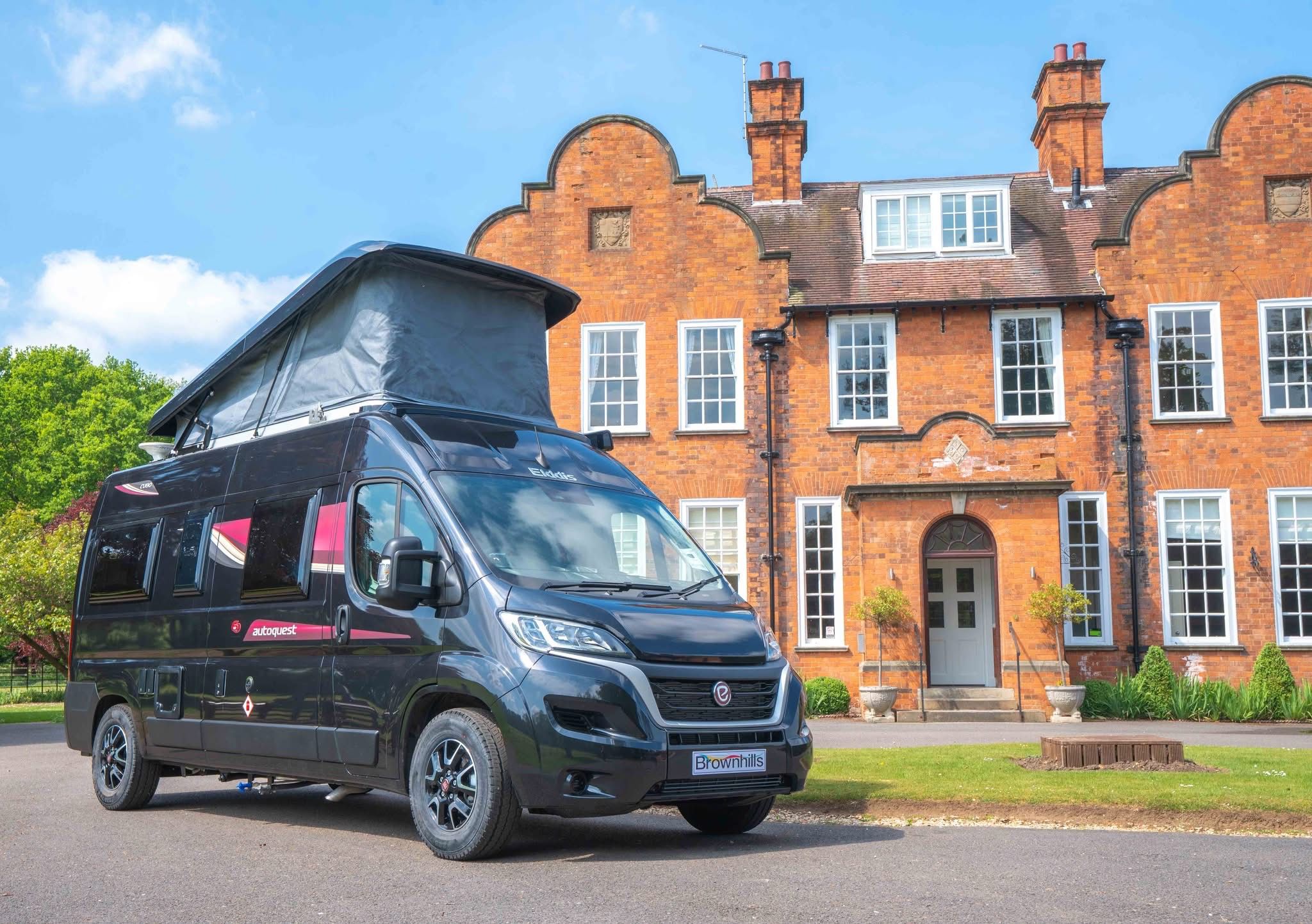
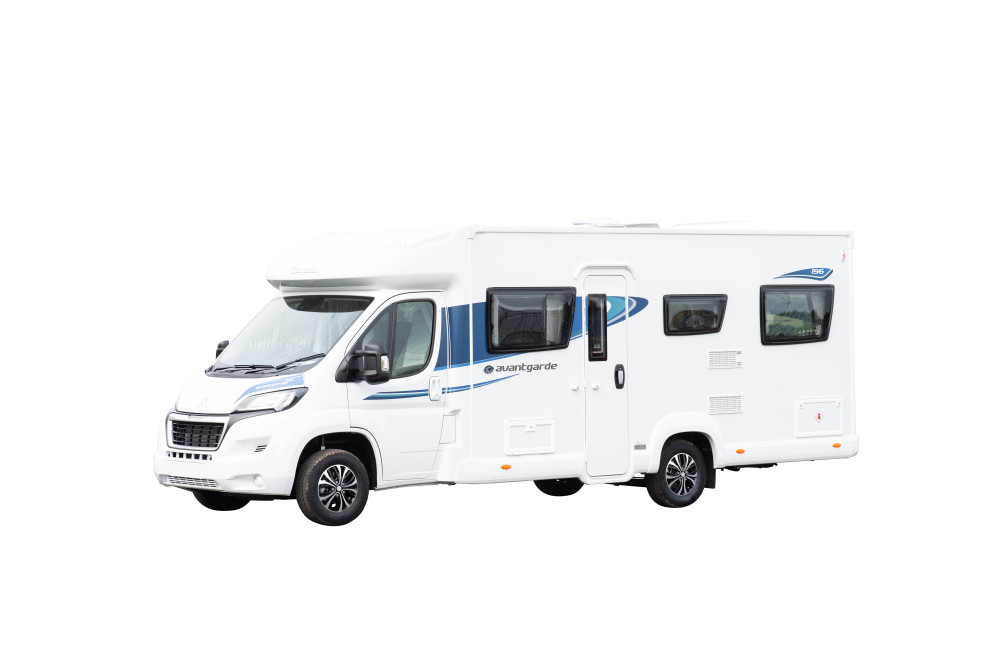
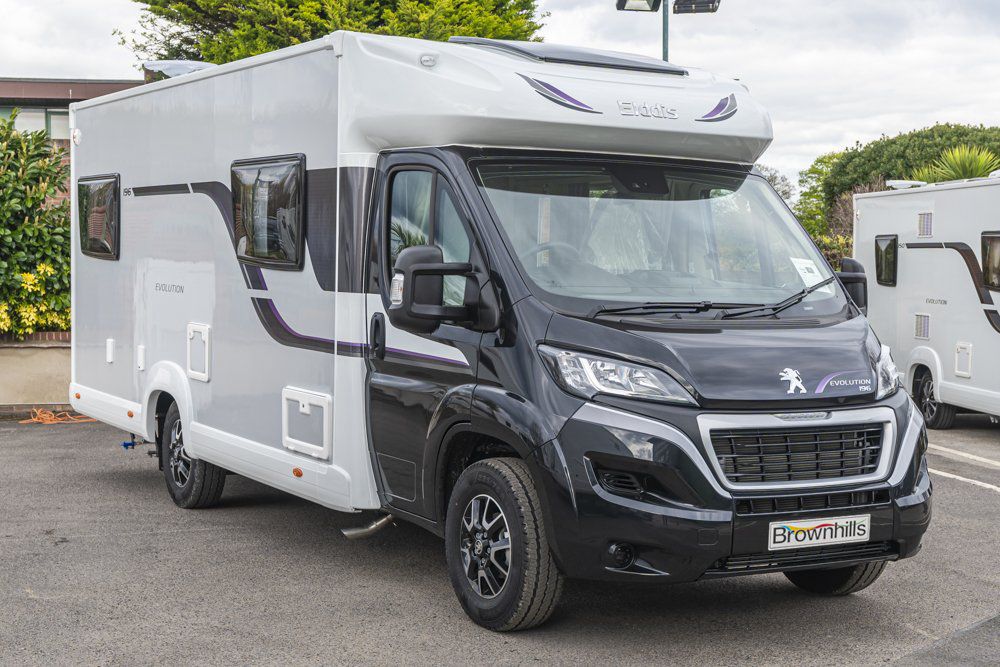
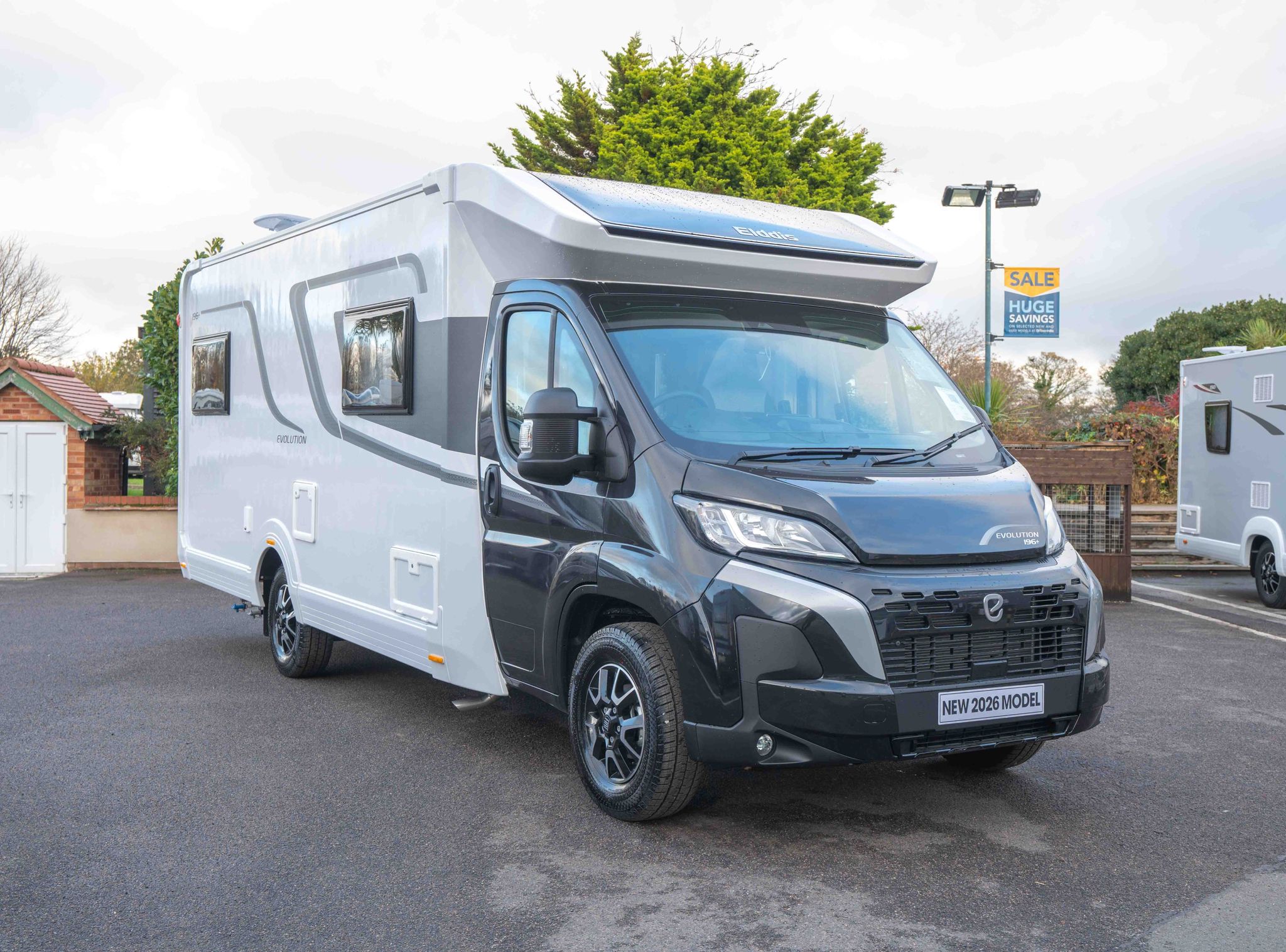
Our fleet includes 2-berth, 4-berth and 6-berth Elddis motorhomes with both manual and automatic options. Couples touring the Dalmatian Coast often choose the compact 2-berth Autoquest CV80, while families visiting national parks and the coast prefer a 4 or 6-berth Evolution. Several vehicles are dog-friendly. Prices start from 135 pounds per night, and every motorhome hire to Croatia booking includes full European insurance and 24/7 roadside assistance.
Croatian motorways use a toll system with barrier booths - collect a ticket on entry and pay by cash or card at the exit. Motorhomes under 3.5 tonnes are classified as category 2. The A1 motorway from Zagreb to Split is fast and well-maintained. The coastal road (Jadranska Magistrala) is slower but far more scenic, hugging the Adriatic with views at every turn. Speed limits are 130 km/h on motorways, 90 km/h outside towns and 50 km/h in built-up areas. For a full packing list, our motorhome packing checklist covers everything you need.
Most travellers combine their motorhome holiday in Croatia with time in Italy on the way down or back - from Trieste to the Istrian border is under an hour. For broader European route ideas, see our guide to European motorhome holidays.
From Pontefract, motorhome hire to Croatia is one of the longer drives, but the Adriatic coastline, the national parks, and the value for money make it one of the most satisfying European trips our customers take. The Mediterranean without the crowds or the price tag.
Croatia in Pictures
Perfect for Your Adventure
Choose from our carefully selected collection of modern motorhomes and campervans
Common Questions About Croatia
Start Planning Your Croatian Motorhome Adventure
Browse our premium fleet of motorhomes and start planning your perfect adventure.