
Wales by Motorhome
Wales by motorhome. Mountains, coastline, castles, and a living Celtic culture packed into a country perfectly sized for motorhome touring. Three hours from our depot and a world away.
Wales by Motorhome
Wales packs more into 170 miles than most countries manage in a thousand. Three national parks. Over 750 miles of coastline. More castles per square mile than any country in Europe. A living language that gives every place name a musical quality English cannot match. And it is close - the Welsh border is about two and a half hours from our depot, and from there the whole country opens up. A week covers one region well. Two weeks covers the whole coast. Three weeks lets you do Wales properly - mountains, coast, castles, and the bits in between that nobody writes about.
Snowdonia (Eryri)
The dramatic north-west. Yr Wyddfa (Snowdon) at 1,085 metres, the Glyderau, the Carneddau, the slate valleys of Blaenau Ffestiniog (UNESCO World Heritage), Zip World, Surf Snowdonia, the Ffestiniog Railway, and the Llyn Peninsula coast. Our dedicated Snowdonia guide covers this region in detail - it deserves its own page because there is so much to say.
Pembrokeshire
The only wholly coastal national park in the UK, and arguably the finest stretch of coastline in Britain. The 186-mile Pembrokeshire Coast Path passes through sea cliffs, sandy beaches, and hidden coves. St Davids is the smallest city in Britain with a cathedral hidden in a valley. Skomer Island has puffins from April to July - the boat trip from Martin's Haven is one of the best wildlife experiences in Wales. Tenby is a walled seaside town with pastel Georgian houses above a harbour. Newgale and Whitesands are outstanding surfing beaches. Barafundle Bay is regularly voted one of the best beaches in the UK - a golden crescent accessed by a walk through the dunes, no road access, which keeps the crowds manageable.
The Brecon Beacons (Bannau Brycheiniog)
The southern national park, and a different character from Snowdonia. Pen y Fan (886m) is the highest point - the most popular walk in southern Wales, accessible for most fitness levels, with sweeping views across the valleys. The Black Mountains on the English border offer remote ridge walking. The waterfall country around Ystradfellte is exceptional - four waterfalls in a wooded gorge, including Sgwd yr Eira where you can walk behind the falling water. Dan yr Ogof show caves include the largest cave in Britain open to visitors.
Abergavenny has become a food destination - the annual food festival in September is one of the best in Britain. The town sits at the meeting point of the Beacons, the Black Mountains, and the Usk Valley, making it a superb motorhome base.
The Gower
The first area in Britain designated an AONB, and the beaches justify it. Rhossili is a three-mile sweep of sand below dramatic cliffs that regularly tops best-beach-in-Wales polls. Three Cliffs Bay is extraordinary - three limestone pinnacles above a sandy estuary reached by a walk across the dunes. Oxwich Bay is more sheltered and family-friendly. The Gower is compact enough to explore in a weekend from a single campsite, with all three beaches within a few miles of each other.
The Castles
You cannot visit Wales without seeing at least one castle - there are over 600. The Iron Ring built by Edward I in the 13th century includes four UNESCO World Heritage Sites: Caernarfon (the most ambitious - polygonal towers modelled on Constantinople), Conwy (complete medieval town walls), Beaumaris on Anglesey (technically the most perfect, never finished), and Harlech (perched on a crag with views across Cardigan Bay). All four are worth visiting. Beyond Edward's castles, Carreg Cennen in the Brecon Beacons is the most dramatically positioned ruin in Wales - a hilltop castle with a cave beneath it.
Mid Wales
The overlooked heartland. The Cambrian Mountains are sometimes called the desert of Wales - empty roads, hill farming communities, and red kite country around Tregaron. The Elan Valley has a chain of Victorian reservoirs set among hills that look like a miniature Lake District. Aberystwyth has a Victorian promenade, the National Library of Wales, a cliff railway, and a university town atmosphere. Cardigan Bay has bottlenose dolphins - boat trips from New Quay to see them run from spring to autumn.
Food and Drink
Welsh food has properly arrived. Welsh lamb reared on mountain pastures is the headline. Laverbread (seaweed, fried with bacon for breakfast, better than it sounds) is the most Welsh thing you can eat. Caerphilly cheese, Welsh cakes, bara brith. The Abergavenny Food Festival in September is world-class. Craft beer from Tiny Rebel, Purple Moose, and dozens of smaller breweries. The Narberth food scene in Pembrokeshire punches well above its weight for a small town.
Roads
The A55 along the north coast is fast and handles any motorhome. The A470 runs north-south through the centre of Wales and is scenic and manageable. The A487 along the west coast is narrower in places but fine for all sizes. Snowdonia's mountain passes are the only challenging driving - see our Snowdonia guide for specific road advice by motorhome size. Generally, Welsh roads are quieter than English ones and the driving is a pleasure.
Road signs are bilingual (Welsh first, English second). Satnav sometimes struggles with Welsh place names - carry a map as backup.
Campsites
Snowdonia: Llyn Gwynant (lakeside, mountain views) and Bryn Gloch (foot of Snowdon, AA Wales winner). Pembrokeshire: Caerfai Bay near St Davids (clifftop, sea views). Brecon Beacons: Pencelli Castle (canal-side, Brecon walking distance). Gower: Three Cliffs Bay Holiday Park. Mid Wales: Woodlands Caravan Park near Devil's Bridge (Elan Valley access).
When to Visit
May to June for wildflowers, Pembrokeshire puffins, and quiet roads. July-August for the best beach weather but busiest coast. September for the Abergavenny Food Festival, warm sea, and fewer visitors. Winter for Snowdonia in snow, Brecon Beacons walking, and empty castles. Wales is wetter than England on average - waterproofs are not optional.
A weekend covers Snowdonia or the Gower. A week covers one national park and a stretch of coast. Two weeks covers the whole Welsh coastline. Three weeks lets you do the lot. Dogs are welcome on most Welsh beaches outside summer restrictions. Browse our fleet and check our packing checklist. Bring waterproofs, walking boots, and your own bedding - we do not provide duvets or towels.
Wales in Pictures
Perfect for Your Adventure
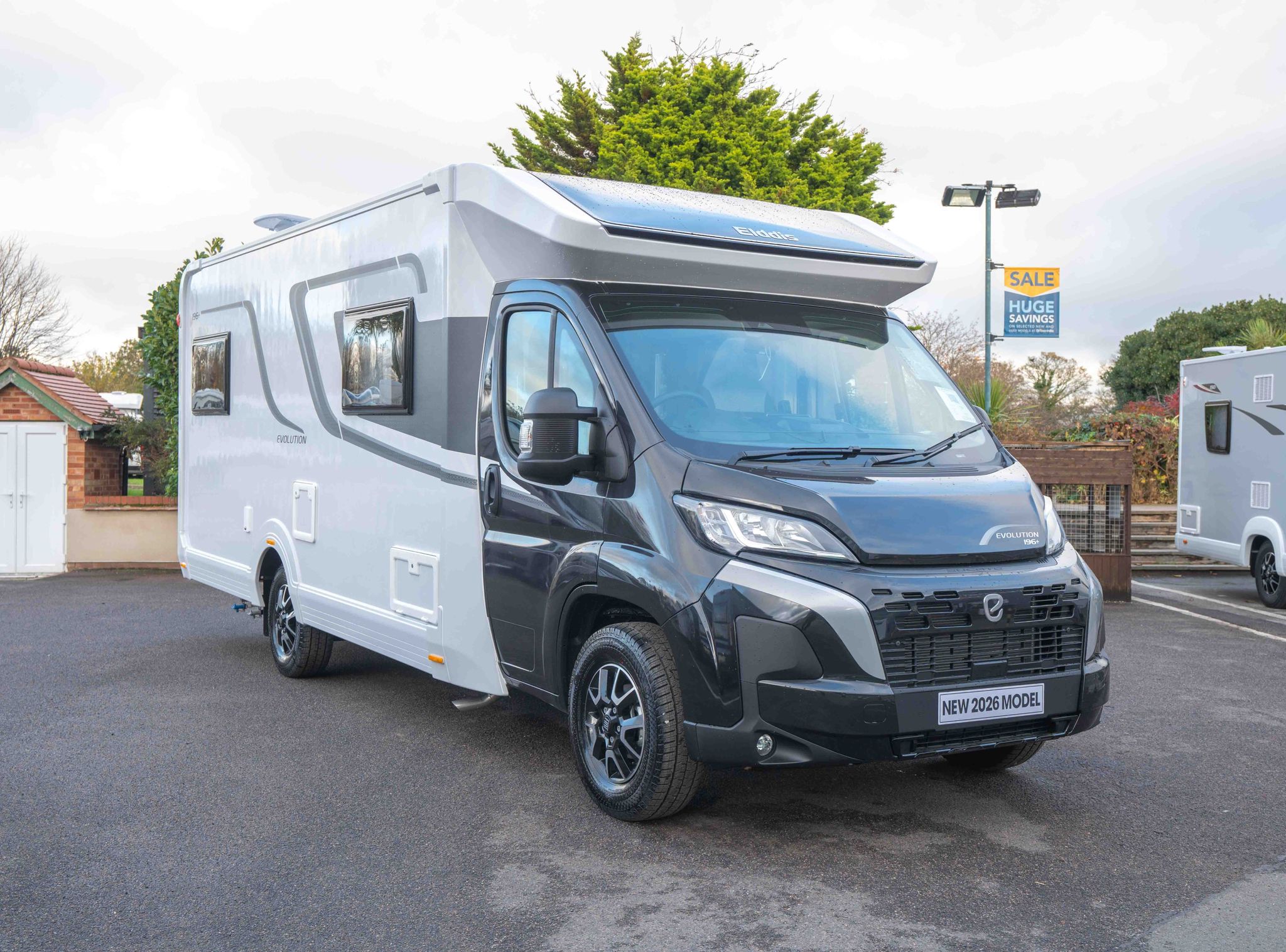
Choose from our carefully selected collection of modern motorhomes and campervans
Common Questions About Wales
Plan Your Wales Motorhome Holiday
Browse our premium fleet of motorhomes and start planning your perfect adventure.