
Pembrokeshire by Motorhome
Pembrokeshire by motorhome. Britain's only coastal national park - 186 miles of coast path, puffin islands, hidden coves, and the smallest city in the UK. The Welsh coast at its finest.
Pembrokeshire by Motorhome
Pembrokeshire is the bit of Wales that people who have been there never stop talking about. The only national park in Britain devoted entirely to coastline, with 186 miles of coast path that passes through some of the most spectacular marine scenery in Europe. Sea cliffs, hidden coves, sandy beaches, tidal estuaries, puffin islands, and the smallest city in the UK. About four and a half hours from our depot via the M1, M50, and A40 - a full day's drive but worth it for a week of some of the finest coastline in the British Isles.
The Coast Path
The Pembrokeshire Coast Path runs 186 miles from St Dogmaels in the north to Amroth in the south, following every twist of the coast over headlands and down into secluded bays. You do not have to walk all of it - pick sections as day walks from your campsite. The stretch from St Davids to Solva is outstanding. The cliffs around Marloes have some of the most dramatic scenery on the path. The Stackpole section leads to Barafundle Bay. The Strumble Head to Fishguard stretch is wild and less walked.
The coast path is well waymarked and there are bus services along the coast that let you walk one way and ride back to the motorhome. This is one of the practical advantages of Pembrokeshire - the bus network actually works for walkers.
The Beaches
Barafundle Bay is the one everyone talks about. A perfect crescent of golden sand backed by dunes and pines, no road access, no facilities - just sea, sand, and sky. Reached by a short walk from Stackpole car park. Regularly voted best beach in Wales and frequently best in the UK.
Freshwater West is a long, exposed beach on the southern coast popular with surfers. Used as a filming location in Harry Potter and Robin Hood. Whitesands Bay near St Davids has excellent swimming and views to Ramsey Island. Marloes Sands is only accessible on foot and rewards the walk with red sandstone cliffs and rock pools. Newgale is a two-mile surfing beach with a pub at one end - about as good as it gets for a beach day. Broadhaven and Tenby's three beaches round off a coastline where you could visit a different beach every day for a fortnight.
St Davids
The smallest city in the UK - city status granted by its cathedral. St Davids Cathedral is set in a hollow below the main street, which means you do not see it until you are right above it. The effect is startling. Founded in the sixth century, the present building dates from the twelfth, with the shrine of St David, medieval woodwork, and a painted Irish oak ceiling. The city itself is really a large village - independent shops, galleries, good cafes, and a base camp feel for the northern Pembrokeshire coast.
Tenby
The quintessential Welsh seaside town. Pastel Georgian houses line the harbour walls. Three sandy beaches wrap around the headland beneath medieval town walls. The old town through the Five Arches gate is a maze of narrow streets. Caldey Island, reached by boat from the harbour, is home to Cistercian monks who produce perfume and chocolate. A peaceful contrast to the bustle of the town and worth half a day.
Puffins and Wildlife
Skomer Island is the headline wildlife experience. The largest Manx shearwater colony in the world, plus puffins, razorbills, and guillemots nesting in extraordinary numbers. Day trips from Martin's Haven run April to October. The puffins are there from mid-April to mid-July and the experience of sitting among them as they waddle past your feet is one of the great British wildlife encounters. Book the boat ahead - spaces are limited and sell out in summer.
Ramsey Island off St Davids Head has grey seals (especially pups in autumn), choughs, and peregrines. Boat trips from St Justinians offer close encounters. Grassholm further offshore has one of the largest gannet colonies in the world - visible from boat trips as a white-capped rock on the horizon.
The Preseli Hills
Pembrokeshire's interior is less celebrated than the coast but worth a day. The Preseli Hills are the source of the bluestones used to build Stonehenge's inner circle - quarried here over 4,000 years ago and transported 150 miles to Salisbury Plain. The hills offer easy moorland walking with wide views, and the landscape is scattered with Neolithic burial chambers and standing stones. How they moved multi-ton rocks 150 miles in the Bronze Age remains debated and fascinating.
Food
Fresh crab and lobster from the local boats. Pembrokeshire early potatoes - the mild climate produces the first new potatoes in Wales each year. Fish and chips from the harbour shops in Tenby and Saundersfoot. The Narberth food scene has put this small inland town on the culinary map - several excellent restaurants and a food festival that punches above its weight. Farmers' markets at Haverfordwest, Fishguard, and Narberth showcase local producers.
Campsites
Caerfai Bay just outside St Davids has pitches overlooking the coast with direct coast path access. Manorbier Country Park sits above one of the finest south coast beaches near a Norman castle. Carew Camping and Caravan Club site is central and well-equipped. Smaller farm sites scattered along the coast offer quieter alternatives and are often easier to book at short notice in summer.
Roads and When to Visit
The A40 from the M4 is the main approach and handles any motorhome. Once in Pembrokeshire, the roads are generally good - quieter and wider than Cornwall's lanes, though the coast roads narrow in places. Any motorhome in our fleet handles Pembrokeshire comfortably.
May to June for wildflowers on the coast path, puffins arriving on Skomer, and quiet campsites. July-August for beach weather and the busiest period. September for warm sea, seal pups on Ramsey, and thinning crowds. Winter for storm-watching, empty beaches, and the most dramatic coast path walking.
Pembrokeshire pairs naturally with Snowdonia to the north and the broader Wales touring route. A weekend covers St Davids and the northern coast. A week covers the whole national park properly. A fortnight lets you combine with Snowdonia and the Gower for the complete Welsh coast experience. Dogs welcome on most beaches outside summer restrictions. Browse our fleet and check our packing checklist. Bring walking boots, waterproofs, and your own bedding.
Pembrokeshire in Pictures
Perfect for Your Adventure
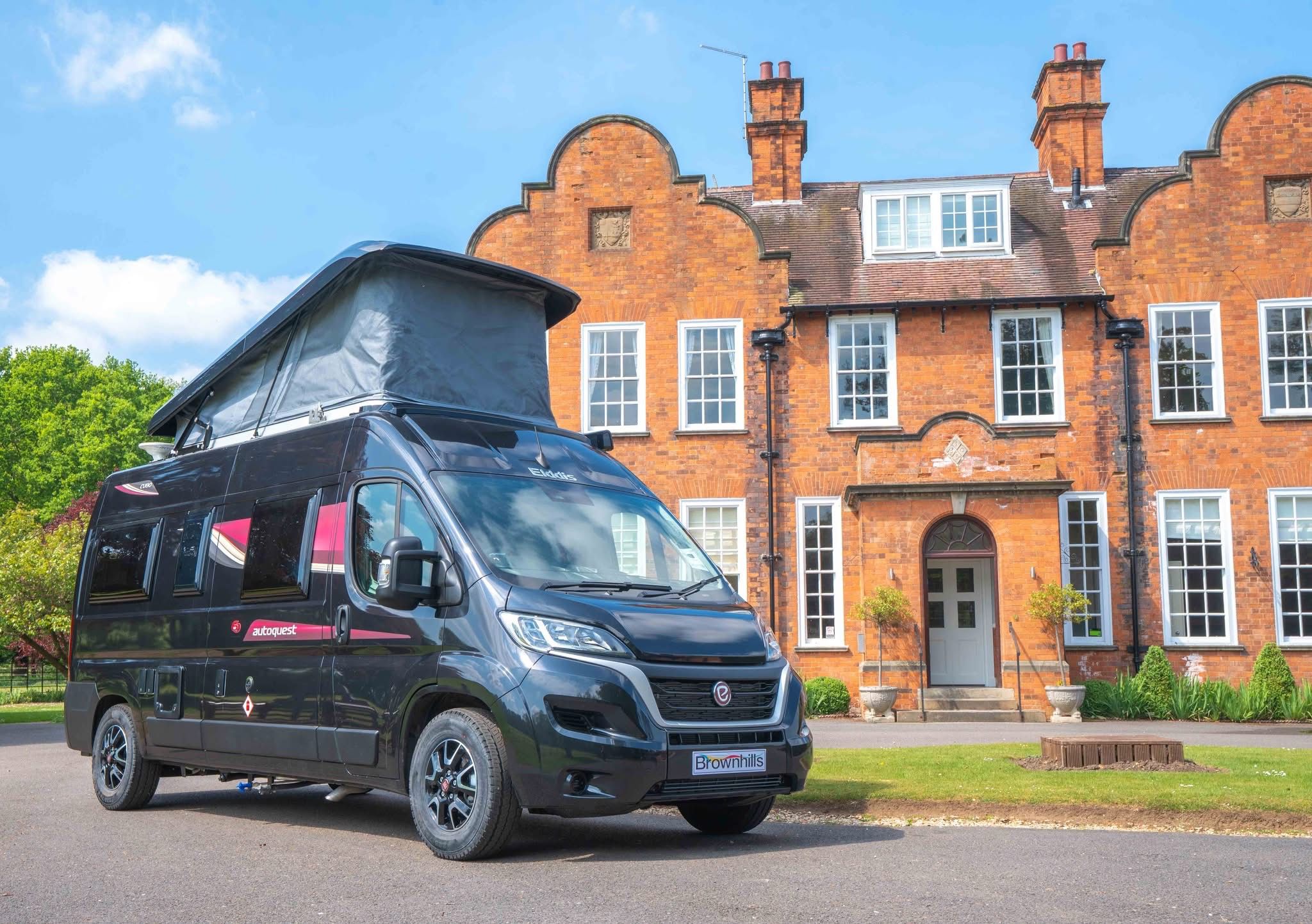
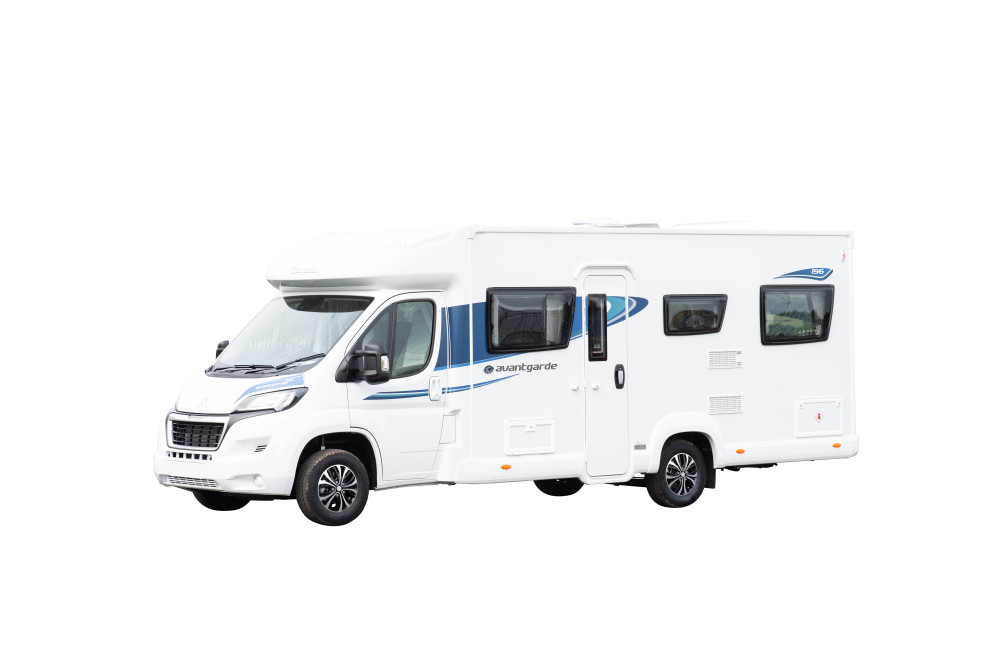
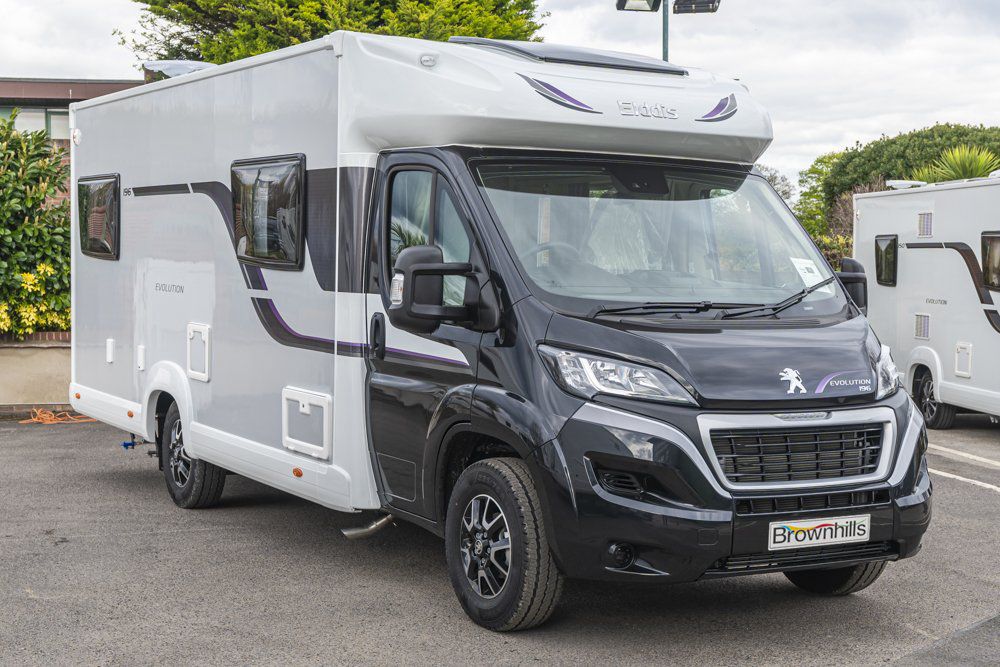
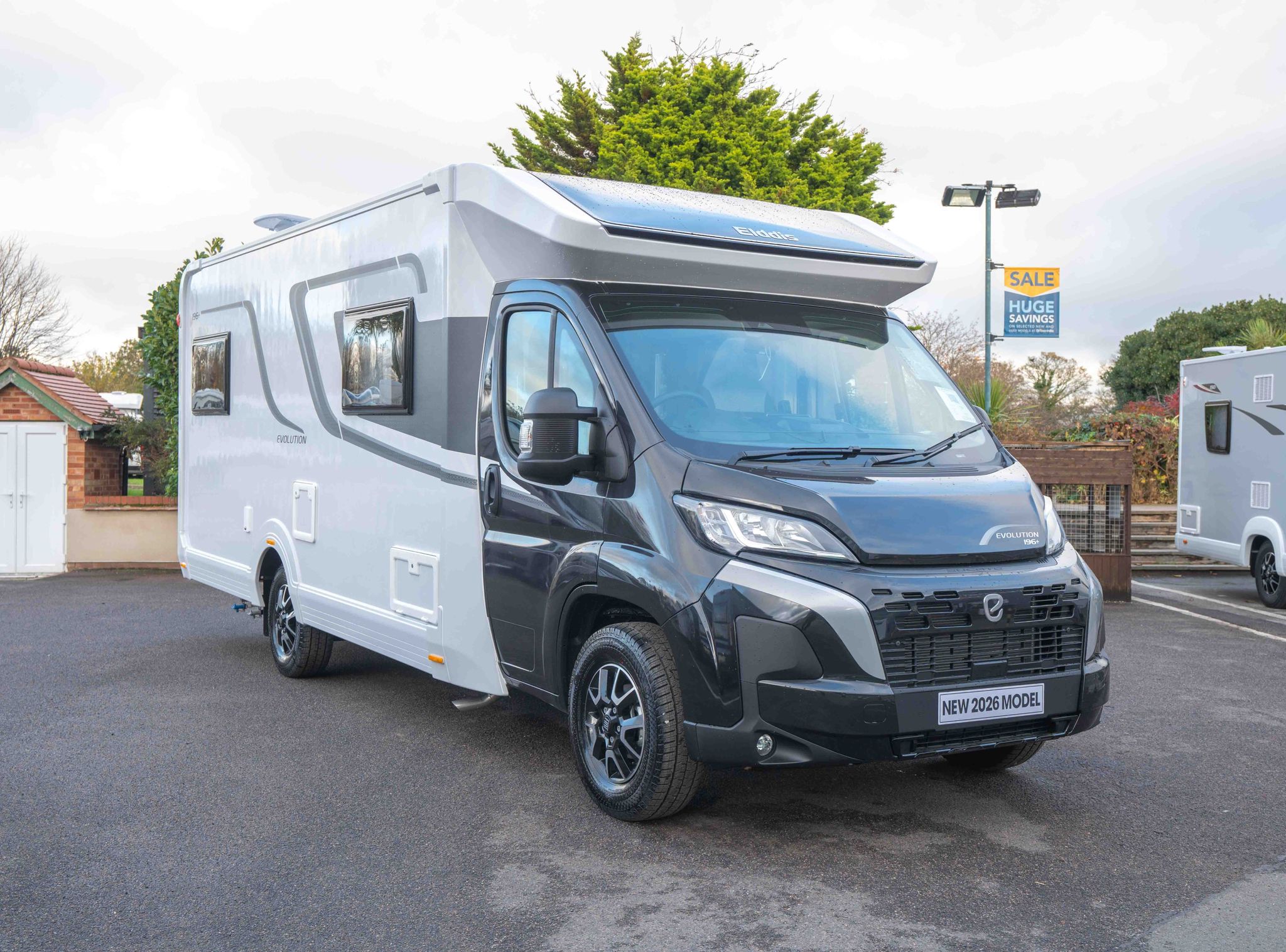
Choose from our carefully selected collection of modern motorhomes and campervans
Common Questions About Pembrokeshire
Plan Your Pembrokeshire Trip
Browse our premium fleet of motorhomes and start planning your perfect adventure.