
Ireland by Motorhome
Ireland by motorhome. The Wild Atlantic Way, Cliffs of Moher, Ring of Kerry, Giant's Causeway, and a warmth of welcome that is famous worldwide. A short ferry from the mainland.
Ireland by Motorhome
Ireland is closer than people think and more rewarding than most expect. A ferry from Liverpool, Holyhead, or Cairnryan and you are on an island that combines dramatic Atlantic coastline, rolling green countryside, history stretching back thousands of years, and a culture of hospitality that is genuinely famous. The Wild Atlantic Way alone would justify the trip. Add Dublin, the Giant's Causeway, Connemara, the Ring of Kerry, and the pub culture that makes every evening an event, and you understand why people who go to Ireland once always go back.
Getting There
Three main ferry options from our side of the Irish Sea:
Holyhead to Dublin - the fastest crossing at just under 2 hours. Holyhead is about 4 hours from our depot via the A55 across North Wales. Irish Ferries and Stena Line operate this route.
Liverpool to Dublin - about 8 hours with overnight sailings available, meaning you sleep on the ferry and wake up in Ireland. Liverpool is 2 hours from our depot. The overnight option saves a day of driving.
Cairnryan to Belfast - 2 hours 15 minutes. Cairnryan in south-west Scotland is about 4.5 hours from our depot. Lands you in Northern Ireland rather than the Republic - useful if you want to start with the Causeway Coast.
All ferry companies accept motorhomes. Book ahead in summer - vehicle spaces fill up. Check our European holidays page for paperwork requirements.
The Wild Atlantic Way
Ireland's flagship touring route and one of the longest defined coastal routes in the world - 2,500 kilometres from Malin Head in Donegal to Kinsale in Cork. You do not have to drive all of it. Most people pick a section and explore it properly.
The Cliffs of Moher in County Clare rise 214 metres above the Atlantic and are the most visited natural attraction in Ireland. Spectacular and worth the crowds. The Burren just north is a unique limestone landscape - karst pavement, underground rivers, wildflowers that grow nowhere else in Ireland, and a quietness that the Cliffs lack.
The Ring of Kerry is a 179-kilometre circuit of the Iveragh Peninsula. Colourful towns (Kenmare, Cahersiveen), mountain passes, lakes in Killarney National Park, and views across to the Skellig Islands - the remote rock pinnacles from Star Wars. Drive it anticlockwise in a motorhome to avoid the tour buses which go clockwise. Killarney itself has Victorian hotels, jaunting cars, and the lakes and mountains of the national park.
Further north, Connemara in County Galway is bog, mountain, and lake landscape that feels genuinely wild. Galway city is compact, sociable, and full of music - street busking fills the medieval lanes every evening, the seafood restaurants are outstanding, and the pubs are exactly what you hope Irish pubs will be.
Northern Ireland
Part of the UK, so your driving licence and insurance work exactly as at home. The Causeway Coastal Route from Belfast to Londonderry along the Antrim coast rivals any coastal drive in Britain. The Giant's Causeway - 40,000 interlocking basalt columns formed by ancient volcanic activity, UNESCO World Heritage - is the headline and it is genuinely extraordinary. Carrick-a-Rede rope bridge over a 30-metre chasm is not for the nervous. The Dark Hedges - an avenue of beech trees made famous by Game of Thrones - are eerie and photogenic.
Belfast has reinvented itself. The Titanic Quarter tells the story of the ship built here. The Cathedral Quarter has the best pubs and restaurants. The political murals in the Falls and Shankill areas are powerful and accessible.
Dublin
Worth two nights at least. Trinity College and the Book of Kells (one of the treasures of European civilisation). The Guinness Storehouse at St James's Gate - the story of Ireland's most famous export, ending with a pint and panoramic views from the Gravity Bar. Kilmainham Gaol where the leaders of the 1916 Easter Rising were executed - one of the most powerful historical sites on the island. Temple Bar for the evening, but wander beyond it too - the real Dublin is in the streets around Grafton Street, Merrion Square, and the Liberties.
Motorhome parking in central Dublin is not practical. Camac Valley in Clondalkin is the nearest campsite with bus routes into the city.
Food and Drink
Irish food has transformed. Atlantic seafood - oysters from Galway Bay, mussels from Bantry, lobster from the west coast. Grass-fed beef that rivals anything in Europe. Farmhouse cheeses from small producers across the country. The English Market in Cork is one of the finest covered markets in Europe. The Saturday market in Galway is outstanding. West Cork has a food trail that is a motorhome trip in itself.
Irish whiskey has had a remarkable revival - Midleton (home of Jameson), Dingle, Kilbeggan, and dozens of newer distilleries offer tours and tastings. And a pint of Guinness poured properly in a proper pub with a traditional music session in the corner remains one of the finest experiences in European travel. That is not an exaggeration.
Practical Tips
Driving: Left-hand side, same as the UK. Easy transition. Speed limits in kilometres per hour in the Republic, miles per hour in Northern Ireland. Rural roads are narrow but quiet and generally well-maintained.
Currency: Euro in the Republic, pounds sterling in Northern Ireland. Card payments widely accepted in towns but carry cash for rural areas.
Campsites: More limited than in Britain but the network is growing. Many pubs and farms offer informal overnight parking with the owner's permission - ask and you will rarely be refused. The Irish are genuinely welcoming to motorhome travellers.
Weather: Mild and wet. Ireland's west coast gets significant rainfall. Bring waterproofs and do not let rain stop you - it is part of the character. The green landscape exists because it rains, and a break in the clouds over the Atlantic coast produces some of the most dramatic light in Europe.
When to Visit
May to June for the longest days and wildflowers on the Burren. July-August for the warmest weather and the best chance of dry days, but also the busiest Ring of Kerry and Cliffs of Moher. September for warm sea and the Galway Oyster Festival. The shoulder months are often the best balance of weather and crowds. Winter is mild by British standards (the Gulf Stream) but wet and windy on the west coast.
A week covers Dublin and one section of the Wild Atlantic Way. Two weeks covers the entire west coast from Donegal to Cork. Three weeks lets you add Northern Ireland, Connemara, and the whiskey trail. Our longer-term rates make an extended Irish trip affordable. Dogs are welcome on most Irish beaches. Browse our fleet and check our packing checklist. Bring your own bedding - we do not provide duvets or towels.
Ireland in Pictures
Perfect for Your Adventure
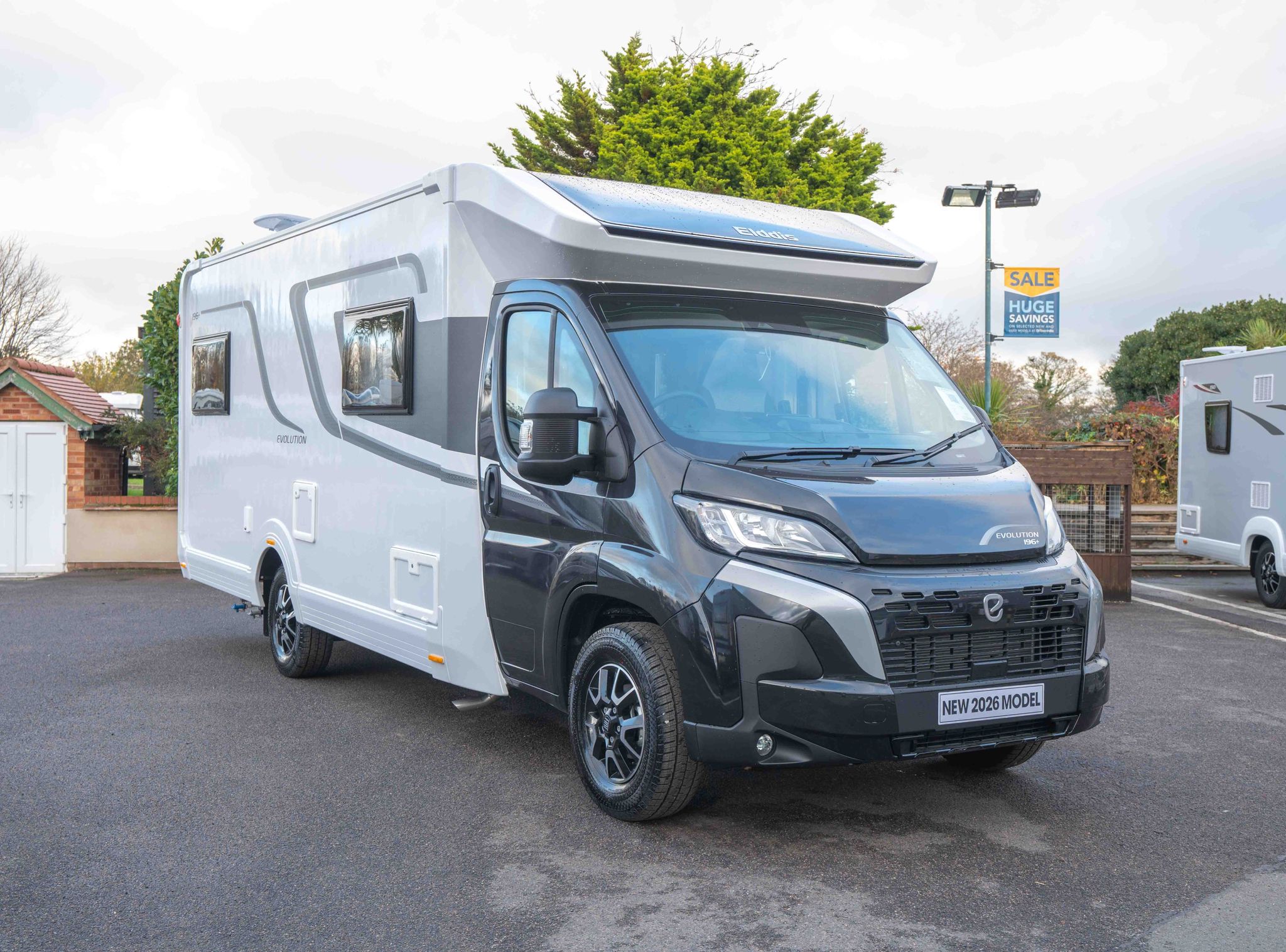
Choose from our carefully selected collection of modern motorhomes and campervans
Common Questions About Ireland
Plan Your Ireland Motorhome Trip
Browse our premium fleet of motorhomes and start planning your perfect adventure.