
Scotland by Motorhome
Scotland by motorhome. Edinburgh and Glasgow, the Highlands, the NC500, the islands, whisky distilleries, and landscapes that make the rest of Britain feel small.
Scotland by Motorhome
Scotland is the motorhome destination above all others in Britain. No other country on these islands offers the same combination of dramatic landscape, cultural depth, and sheer scale. You could tour Scotland for a month and barely scratch it. The Highlands alone would take a fortnight. Add the islands, the cities, the whisky trails, and the Borders and you understand why people come back year after year. The Scottish border is about two and a half hours from our depot via the A1. Edinburgh is three hours. Inverness about five and a half. Allow at least a week, ideally two or three.
Edinburgh
One of the most beautiful cities in Europe and worth two nights minimum. The medieval Old Town climbs from Holyroodhouse to Edinburgh Castle along the Royal Mile - a UNESCO World Heritage Site with an atmosphere that is hard to match anywhere. The Georgian New Town is elegant and refined. Arthur's Seat, the ancient volcano in the middle of the city, gives panoramic views and feels like being in the Highlands without leaving the city limits. In August, the Festival Fringe transforms Edinburgh into the cultural capital of the world.
Motorhome parking in central Edinburgh is not practical. Mortonhall Caravan and Camping Park on the southern edge has good bus routes into the centre. Edinburgh Caravan Club Site at Marine Drive is closer but smaller - book early.
Glasgow
Glasgow has reinvented itself from industrial powerhouse to cultural destination and it deserves a night or two. Kelvingrove Art Gallery, the Riverside Museum, and the Burrell Collection are all outstanding and free. The Mackintosh architecture gives the city a creative identity. The live music scene is legendary. The Finnieston restaurant quarter rivals anywhere in the UK. Glasgow is grittier than Edinburgh but many people prefer it - more authentic, less polished, and considerably less expensive.
The Highlands
North of the Highland Boundary Fault the landscape changes completely. Mountains over 1,300 metres, lochs stretching through silent glens, and a coastline so indented that the map bears no relation to the driving distance. The Great Glen from Fort William to Inverness - Loch Ness, Loch Oich, Loch Lochy - is one of the most scenic drives in Britain. Glen Coe is the dramatic valley that everyone photographs. Torridon on the west coast has some of the oldest mountains in the world. Assynt has isolated peaks rising from a plateau of rock that is over 3 billion years old.
The North Coast 500 is the headline route - 516 miles around the far north starting from Inverness. Our dedicated NC500 guide covers it in detail. But Scotland has dozens of touring routes beyond the NC500 that are equally rewarding and far less crowded.
The Islands
Skye is connected by a bridge and is the most visited - the Cuillin ridge, the Old Man of Storr, the Quiraing. Dramatic and busy in summer. Mull is quieter, with the colourful harbour of Tobermory and boat trips to Iona (sacred island, burial place of Scottish kings) and Staffa (Fingal's Cave, a natural basalt cathedral). Islay is the whisky island - nine working distilleries producing the peat-smoked style that is unique in the world. Arran is called Scotland in miniature and is the most accessible from the mainland (ferry from Ardrossan).
Ferries to the islands accept motorhomes but book well ahead in summer - CalMac ferries to Mull and Skye fill up weeks in advance. Check vehicle length limits for your motorhome size.
The Borders and Lowlands
Often bypassed by people rushing north, and they are missing out. The Borders abbeys - Melrose, Jedburgh, Dryburgh, Kelso - are atmospheric ruins in a landscape of rolling hills and salmon rivers. The Galloway Forest Park in the south-west is Scotland's only Dark Sky Park with forests, lochs, and quiet roads. St Andrews on the Fife coast has the Old Course, a medieval university, and outstanding beaches. The Borders make a natural overnight stop on the way north or a destination in their own right for a quieter Scottish trip.
Whisky
Scotland has over 130 working distilleries and the whisky trail is a motorhome trip in its own right. Speyside has the highest concentration - Glenfiddich, Macallan, Aberlour, Glenlivet within a few miles of each other. Islay has the peat-smoked style - Laphroaig, Lagavulin, Ardbeg. Highland Park in Orkney is the most northerly. Most offer tours and tastings (the designated driver gets the short straw). A week touring Speyside distilleries with the motorhome parked at a riverside campsite is one of the great Scottish experiences.
Food
Scottish food has transformed. West coast seafood - langoustines, scallops, oysters from Loch Fyne - landed the same day. Highland venison and Aberdeen Angus beef. Arbroath smokies (hot-smoked haddock). Cullen skink (smoked haddock soup, better than it sounds). Haggis is not a tourist joke - a good haggis from a proper butcher is genuinely delicious. The Edinburgh and Glasgow restaurant scenes rival London at a fraction of the price.
Practical Tips
Single-track roads are common in the Highlands and islands. Pull into passing places on your left for oncoming traffic. Let faster traffic overtake. This is the etiquette and it matters.
Fuel is sparse in the far north and west and more expensive than mainland prices. Never pass a station with less than half a tank.
Midges from June to August in sheltered, damp locations. Smidge repellent and a head net are essential. Coastal and hilltop campsites with a breeze are your best defence.
Wild camping - Scotland's access laws are more relaxed than England. Responsible overnight parking in a motorhome is generally tolerated in many rural areas, though it is not an explicit right. Use common sense, leave no trace, and do not park in passing places or obstruct access.
Weather changes rapidly. Four seasons in one day is not a joke. Bring layers and waterproofs regardless of forecast.
Campsites
Mortonhall in Edinburgh (well-connected, bus routes to city). Broomfield in Ullapool (140 pitches, loch views). Sango Sands in Durness (above the beach, restaurant and bar). Skye Camping and Caravanning Club Site near Broadford. Cashel on the shores of Loch Lomond (waterfront pitches, stunning). Campsites in the Highlands are generally smaller and more basic than English equivalents but the settings are incomparably better.
When to Visit
May to June for the longest days, wildflowers, and fewer midges. July-August for the warmest weather but the most midges and busiest NC500. September for autumn colours and quieter roads. Winter for dramatic landscapes, dark sky stargazing, and Hogmanay in Edinburgh. Scotland in winter is cold but our motorhomes have heating that handles it - and the low-angle light across the Highlands is extraordinary.
Our longer-term rates make a two or three-week Scottish tour affordable. The automatic gearbox is recommended - single-track roads with constant stopping and starting are tiring in a manual. Dogs love Scotland - open access laws mean they can roam more freely than in England. Browse our fleet and check our packing checklist. Add midge spray, waterproofs, and warm layers. Bring your own bedding - we do not provide duvets or towels.
Scotland in Pictures
Perfect for Your Adventure
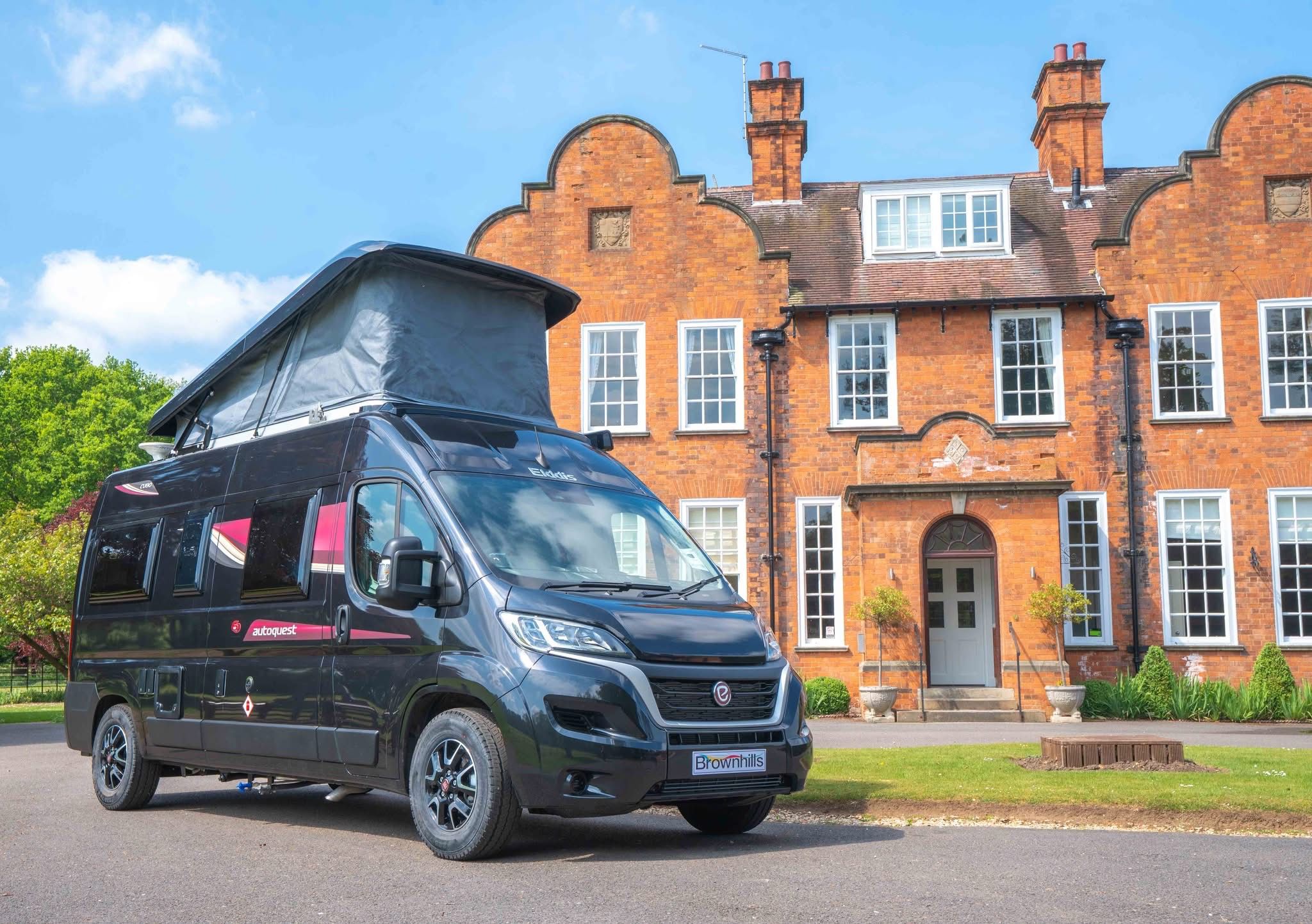
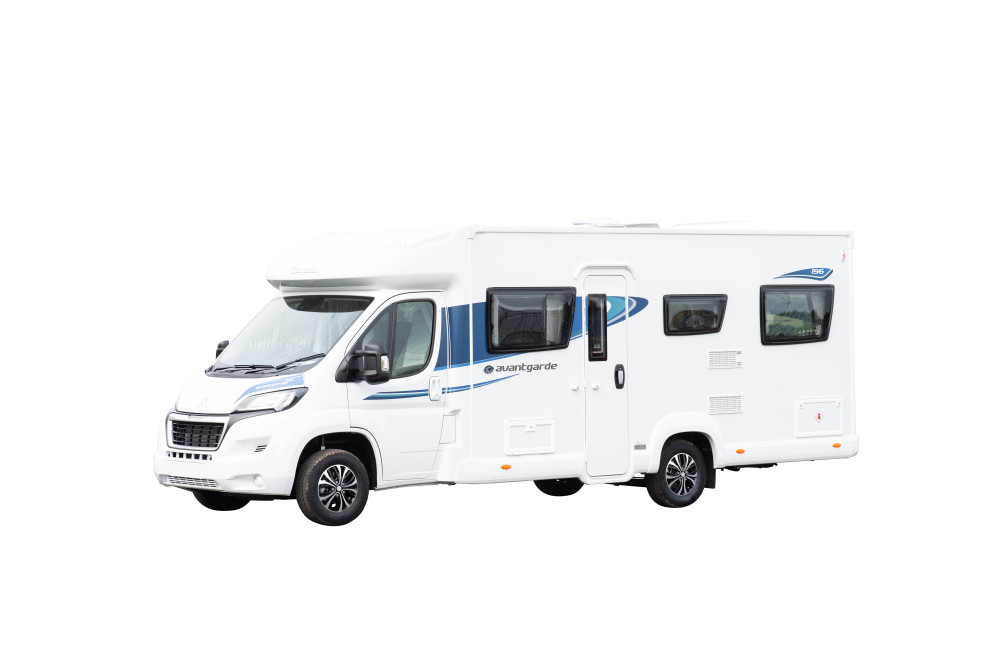
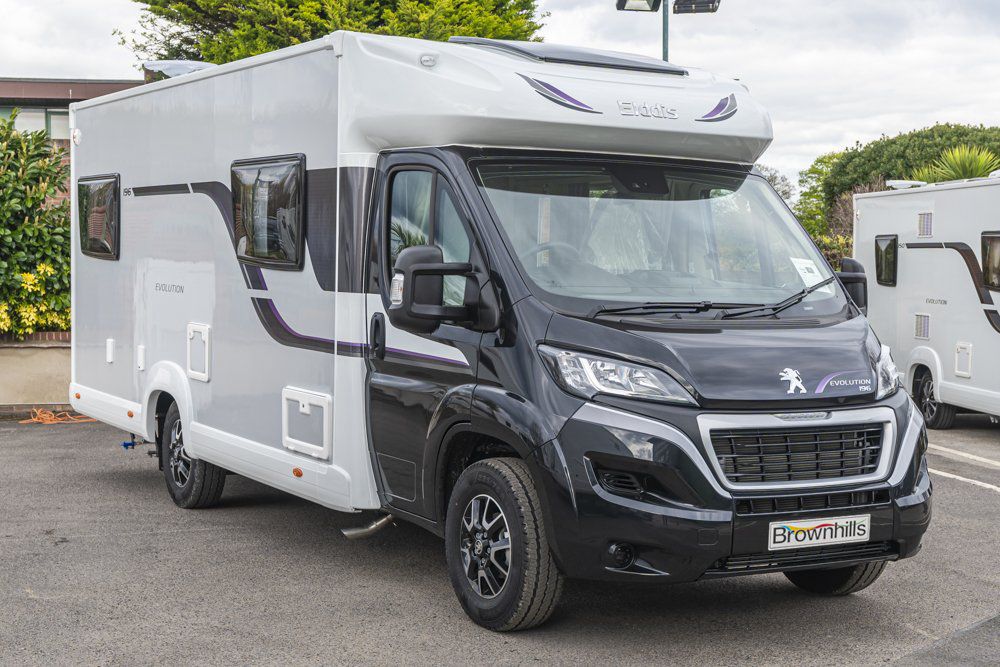
Choose from our carefully selected collection of modern motorhomes and campervans
Common Questions About Scotland
Related Pages
Plan Your Scotland Motorhome Holiday
Browse our premium fleet of motorhomes and start planning your perfect adventure.